
| Sourced from 4 independent sources · no points in dispute |
Times Colonist, Kimberley Bulletin, CHEK News, and BC SPCA
Most key facts are confirmed by more than one independent source; a few details come from a single outlet.
9 key facts · 8 corroborated · none disputed
This summary is compiled from the independent sources listed above.
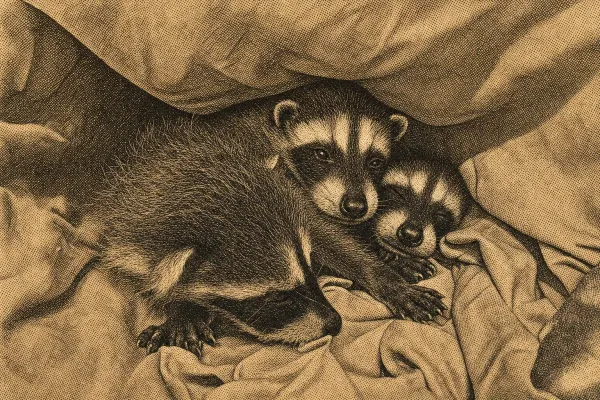
Thirty-two young raccoons are being raised at the BC SPCA Wild Animal Rehabilitation Centre in Metchosin, where staff are trying to turn orphaned and injured animals into capable wild ones by fall.
The work is part nursery, part classroom and part disease-control operation. Most of the raccoons at Wild ARC arrived as orphans after their parents were lost to human-related causes such as vehicle strikes. A few came in with minor injuries from dog attacks.
A busy raccoon nursery
Wild ARC’s summer raccoon intake has filled the centre with young animals that need steady, hands-on care before they can return to the wild.
CHEK News reported that MARS Wildlife Rescue in Merville is also caring for 34 raccoons, adding to the picture of a busy season for rehabilitators working with juvenile wildlife.
At Wild ARC, the youngest raccoons are bottle-fed specialized formula. As they grow, staff gradually introduce solid food so the animals can wean. That transition is one of the early steps in a longer rehabilitation process designed to help them survive without human care.
Ashley Currie, manager of BC SPCA Wild ARC, described raccoon rehabilitation as deeply social work.
“Raccoons are highly social animals that thrive when they live alongside each other,” Currie said.
Care behind protective gear
The raccoons are not simply housed together in an ordinary room. Because raccoons can carry zoonotic diseases, Wild ARC keeps them in a dedicated facility where staff use specialized protective equipment.
The animals are also vaccinated against feline and canine parvovirus.
That careful setup reflects the balance rehabilitators have to strike: providing close, repeated care to vulnerable young animals while also protecting people and other animals from disease risk.
Learning to be wild
Once the raccoons are ready for more than formula, Wild ARC’s work shifts toward behaviour and skill-building.
Staff use group socialization, playrooms, toys and other enrichment to support the animals’ development. The goal is not to make the raccoons comfortable around people, but to help them develop the behaviours they will need once released.
The rehabilitation program builds foraging and climbing skills with hidden food, puzzle feeders and outdoor enclosures containing branches, dens and toys. Those settings give young raccoons a chance to practise the kind of problem-solving and movement they will need outside the centre.
“The team is expecting to release raccoons back to the wild in the fall, when they’ve reached an optimal weight and are showing skilled foraging and climbing behaviour,” Currie said.
Preventing the next orphan
Wildlife rehabilitators are also urging residents to reduce raccoon conflicts and avoid actions that separate mothers from their kits.
The warning reflects a central reason many of the animals end up in care: most of Wild ARC’s raccoons arrived after their parents were lost to human-related causes, including vehicle strikes. For young raccoons, the loss of a mother can quickly become a crisis requiring intensive rehabilitation.
Currie said conflicts between people and raccoons often put the animals on the losing end.
“Live trapping doesn’t solve the problem,” she said.
For Wild ARC, the fall release target is the hopeful end point of a long process: formula, social groups, protective gear, hidden food, climbing practice and patient monitoring until each raccoon is heavy enough and skilled enough to go back to the wild.
Reader-funded. No ads. No paywall.
The Canada Report is independent, reader-funded Canadian news — no advertisers, nothing behind a paywall, kept free for everyone. If you value it, you can help keep it that way.
Support The Canada Report →