

Heads up: some of the links in this post are affiliate links. That means if you click and purchase, we may get a commission. It's how we keep this site running without cluttering it with ads.
At a Vancouver bus stop, 3°C rain can soak through a hoodie faster than the cold itself; on an Ontario outdoor shift, wind and slushy snow make bare sleeves feel like a bad bargain. A heated vest keeps your core warm while leaving room to move, but a heated jacket adds sleeve coverage and a weather-ready shell when the forecast turns messy. For indoor backup, our best heated blankets in Canada guide covers another practical way to take the edge off winter mornings.
Prices span a wide range: basic heated vests start near $58, while battery-equipped jackets commonly sit around $190–$200. Based on listed specifications, prices and third-party buyer feedback, the Venustas Waterproof Heated Jacket is our strongest all-around pick: it has a 4.2-star rating from more than 3,300 reviews, includes its battery, and pairs waterproof protection with a removable hood. The comparison table below sorts the worthwhile options by warmth coverage, battery setup, weather protection and value—so you can buy for your actual commute, workday or weekend instead of paying extra for power you will not use.
Quick Overview: Our Top Picks
| Product | Best For | Why We Love It | Price |
|---|---|---|---|
| Budget with battery | Battery included at under $70, with a slim fit that layers under a winter coat. | $69.99 CAD | |
| Maximum heating coverage | Eight heating areas, waterproof construction, battery included, and a detachable hood justify its premium price. | $189.99 CAD | |
| Lightweight layering | Affordable heated vest design suits outdoor layering, but batteries must be purchased separately. | $58.49 CAD | |
| Complete mid-range setup | Includes a substantial 16,000mAh battery, offering a ready-to-use heated vest at mid-range pricing. | $99.99 CAD | |
| Soft-shell outdoor work | Includes a 12V lithium-ion battery pack, providing a more complete setup for outdoor warmth. | $189.99 CAD | |
| Women's all-day warmth | The most-reviewed pick here, with a lightweight quilted shell for daily commuting and its battery included. | $179.99 CAD | |
| Wet winter weather | Combines waterproof construction, included battery, and detachable hood for broader cold-weather coverage. | $199.99 CAD |
KOVNLO Women's Heated Vest
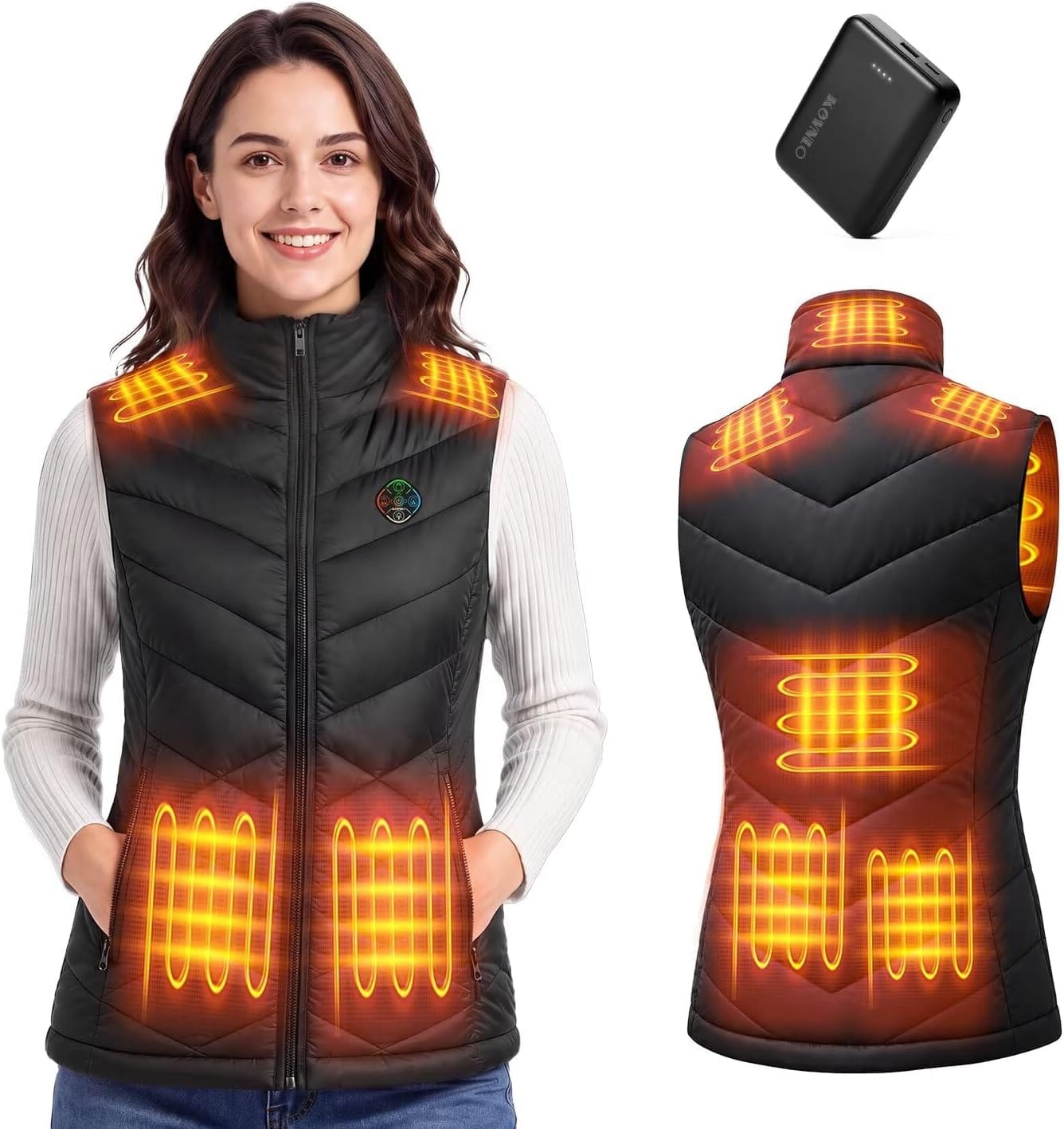
The KOVNLO heated vest is the cheapest way into a heated layer that arrives ready to use. At $69.99, it costs about $11 more than the Ejoy vest but includes its battery pack, which the Ejoy does not. The slim women's cut sits under a parka or work shell without adding bulk, and KOVNLO pitches it for dog walks, snow sports, hunting and fishing. Its product images show heating panels across the shoulders, lower front and back. It carries a 4.4-star average from 647 ratings. The listing does not state runtime, voltage or heat settings, so check those against your longest day outside before counting on it for a full shift.
Pros
- Battery pack included at under $70
- Slim women's fit layers under a winter coat
- 4.4-star rating from 647 customer reviews
Cons
- Runtime, voltage and heat settings are not listed
- No weather protection on its own
ARRIS Heated Jacket
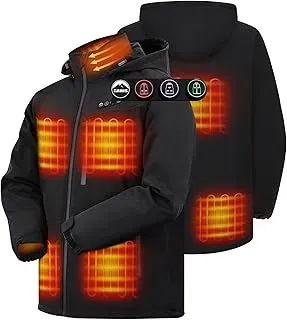
For Canadians who need warmth across more of the torso during outdoor work, winter commuting or weekend recreation, the ARRIS heated jacket is a premium option built around coverage rather than the lighter, freer-moving feel of a vest. It has eight heating areas, a detachable hood and waterproof construction, making it better suited to damp coastal cold and slushy shoulder-season weather than a basic heated layer. The battery is included, which matters at this price since separate power packs can add considerably to the real cost. At $189.99, it sits well above entry-level vests but adds weather protection for Canadian use. Its 4.2-star rating from 1,200 customers points to generally positive buyer feedback, though shoppers should confirm fit and runtime details before ordering.
Pros
- Eight heating areas provide broad warmth coverage
- Battery is included in the purchase price
- Waterproof build and detachable hood suit wet weather
Cons
- Premium price compared with basic heated vests
- Runtime and fit specifics are not provided
Ejoy Heated Vest
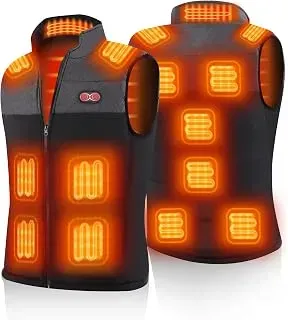
At about $58, the Ejoy heated vest is aimed at shoppers who want an affordable warming layer rather than the full coverage and weather protection of a heated jacket. The price leaves room in the budget for a separate battery, but that extra purchase is the key catch: none is included. With a 4.1-star rating from roughly 1,400 customers, it is a popular entry-level choice for wearing under a work shell, winter coat or ski jacket. Its vest format keeps arms unrestricted for driving, shovelling, walking the dog or outdoor tasks. For wet coastal commutes and slushy conditions, pair it with a waterproof outer layer; this listing does not provide waterproofing details. It makes the most sense for people who already have, or are prepared to buy, a suitable battery system.
Pros
- Affordable entry point for battery-powered warmth
- Lightweight vest design supports flexible layering
- 4.1-star rating across approximately 1,400 customer reviews
Cons
- Battery must be purchased separately
- Less arm and weather coverage than a heated jacket
Heated Vest With Battery
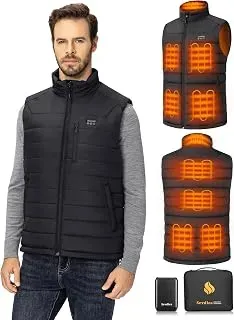
Unlike the full jackets in this guide, this mid-range choice focuses on the easier movement and layering flexibility of a vest while arriving with its power source. The Men’s Heated Vest is listed at $99.99, placing it between basic entry-level vests and the roughly $190–$200 battery-equipped jackets in this roundup. That included-battery setup is its strongest practical selling point for a Canadian commuter, outdoor worker or hunter who does not want to price out a separate pack. Its 4.6-star average from 398 ratings is encouraging, too. One detail needs checking before purchase: the listing title identifies a 16,000mAh, 7.4V battery, while retailer specifications say one 9V battery is required and included. No fabric, heating-zone, fit, runtime or water-resistance details are supplied.
Pros
- Battery is included, avoiding a separate initial purchase
- 4.6-star rating from 398 customer ratings
- Priced below battery-equipped jacket options in this guide
Cons
- Battery voltage information is inconsistent across listing details
- No fit, runtime or weather-protection specifications supplied
DEWBU Heated Jacket
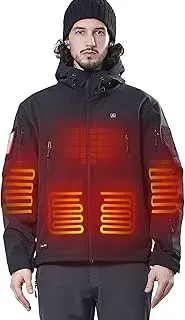
A 12V lithium-ion battery pack is included, which makes the DEWBU Heated Jacket a more complete purchase than options requiring a separate power system. At about $190, it sits in full heated-jacket territory rather than the entry-level vest bracket. Its 4.3-star average from 5,300 customer ratings also gives shoppers a substantial feedback pool to consider. This is a sensible choice for winter commutes, outdoor work and recreation when a jacket’s broader coverage makes more sense than a vest. The listing describes it as a soft-shell jacket, so treat it as wind protection rather than rain gear. Runtime, heat settings, fabric construction, waterproof certification and temperature ratings are not provided, so Canadians dealing with wet coastal weather should confirm those details before counting on it as rain protection.
Pros
- Included 12V lithium-ion battery avoids a separate purchase
- 4.3-star rating based on 5,300 customer reviews
- Jacket format offers broader coverage than a vest
Cons
- Runtime and heat-setting details are not listed
- Waterproof credentials are not stated in supplied specifications
ORORO Women's Heated Vest
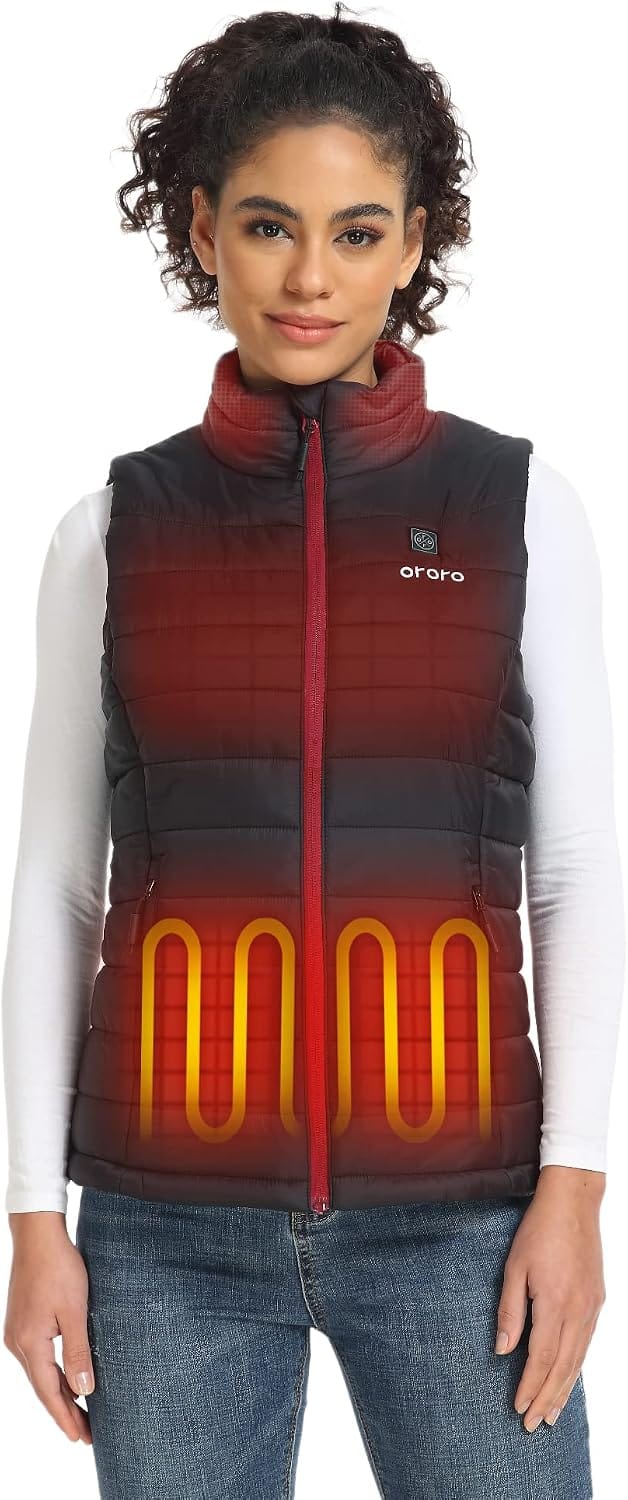
With more than 10,000 ratings at a 4.5-star average, the ORORO women's heated vest has the deepest review base in this guide. ORORO pitches it as a lightweight layer for daily winter commuting, and its quilted shell is slim enough to wear under a parka on a -20°C Prairie morning or as an outer layer on dry, milder days. The battery is included. At $179.99, it costs far more than the KOVNLO, so the case for it is track record: if you want a women's vest with years of buyer feedback behind it, this is the one. For a spare, the budget Sevdiea pack in our battery section below is advertised as ORORO-compatible. The listing does not state runtime or heat settings, so check those before counting on it for a full shift.
Pros
- Battery included in the purchase price
- 4.5-star rating from more than 10,000 reviews
- Lightweight quilted shell layers under a parka
Cons
- Costs about $110 more than the KOVNLO
- Runtime and heat settings are not listed
Venustas Waterproof Heated Jacket
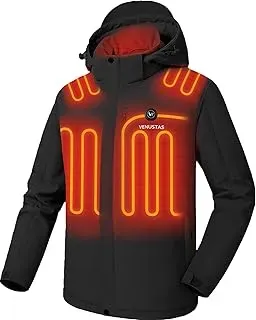
At about $200, this is a full-jacket purchase rather than a budget vest: basic heated vests start near $58, while this option includes a battery, waterproof construction and a detachable hood. The Venustas waterproof heated jacket is our top pick because it offers broader coverage for Canadian commutes, outdoor work and winter recreation. Its waterproof build makes particular sense for wet coastal winters and damp shoulder-season cold, while inland users can layer it over insulating basics in deeper cold. One lithium-polymer battery is included, avoiding a separate initial battery purchase. It has a 4.2-star average from 3,300 customer ratings. The listing does not state runtime, voltage, heat settings, fabric composition or temperature ratings, so confirm those details if you need predictable shift-length warmth.
Pros
- Included lithium-polymer battery adds immediate value
- Waterproof construction suits wet winter weather
- Detachable hood offers more flexible coverage
Cons
- Runtime and heat-setting details are not provided
- Costs substantially more than entry-level heated vests
Heated Vests and Jackets vs Traditional Layering: Which Keeps You Warmer Outdoors?
A heated vest adds warmth close to the core while leaving arms free for driving, lifting or winter recreation. It works well under a shell or heavy coat, but it does not replace weather protection when snow, rain or wind are in the forecast. A heated jacket covers the arms and torso, making more sense for exposed outdoor work and wet commutes. For hands that stay cold even with a warm core, see our heated gloves picks. The Venustas waterproof jacket is the strongest all-around choice here: its included battery, waterproof shell and detachable hood suit varied Canadian conditions. Traditional layering remains the simpler, lower-cost route. A fleece mid-layer needs no charging and can be paired with insulated and waterproof outer layers. That approach is especially practical for colder inland areas where a good base layer, fleece and shell can trap plenty of heat. Heated gear is better for people who stand still outdoors, commute in cold weather, or want adjustable warmth without piling on bulky layers. Keep battery charging in mind: heat settings and battery capacity affect runtime, so a spare power source may matter on long shifts.
What Does Spending More on a Heated Vest or Jacket Actually Buy You?
Entry-level heated vests start around $58, but the low sticker price can be misleading when a battery is not included. The Ejoy heated vest at $58.49 is a reasonable choice for occasional use under an existing coat, provided buyers budget for compatible power. A separate 7.4V, 16,000mAh battery pack costs about $34, which changes the real total. That is why the $69.99 KOVNLO women's vest, battery included, can be the cheaper complete setup. Spending about $100 on the men’s heated vest with its 16,000mAh 7.4V battery included is often the cleaner value for regular commuters, hunters and outdoor workers; it also carries a 4.6-star rating across 398 reviews. Closer to $190–$200, buyers are paying for jacket-level coverage and, in the best cases, an included battery, hood and weather-ready outer fabric. The top-ranked waterproof jacket costs $199.99, a sensible step up for winter work or wet coastal conditions. Cheaper vests are genuinely enough for errands, layering under a reliable shell and short dog walks, where a pair of dog walking gloves matters just as much. For frequent use, check warranty terms, battery replacement availability and care instructions before buying. Batteries are consumable components, so long-term ownership costs are not limited to the garment itself.
Heat Coverage, Battery Details and the Fine Print That Affect Comfort
Vest or Jacket: Coverage Versus Freedom of Movement
Vests concentrate warmth around the torso while keeping bulk away from the arms, making them practical for active work, driving and recreation such as ice fishing or hiking. The basic battery-free heated vest in this guide costs $58.49, so it can be an accessible entry point if you already own a compatible power source. A full jacket makes more sense for longer waits at transit stops, outdoor work and windier conditions because it covers the arms as well. The ARRIS heated jacket lists eight heating areas and includes a detachable hood, useful when conditions change during a commute.
Included Battery, Voltage and Real-World Running Time
Do not assume that every heated garment arrives ready to use. A battery-included vest priced at $99.99 includes a 16,000mAh, 7.4V pack, while the DEWBU heated jacket includes a 12V battery pack. These figures indicate that heated apparel does not use one universal battery format, so check the garment’s stated connector and voltage before buying a spare. Runtime also varies with the heat setting, outside temperature and battery capacity; treat broad runtime claims cautiously. Lithium packs also lose runtime fast in deep cold: on a -25°C Prairie morning, keep the pack in an inside pocket against your body and carry a spare for long shifts. For a replacement or backup, the Sevdiea 7.4V 16,000mAh pack costs $33.99, has DC, USB and USB-C outputs, and is advertised as compatible with ORORO and Venustas garments, including two picks in this guide. The listing claims about 9 hours on low and 4 on high; confirm your garment’s connector before ordering.
Waterproofing and Hood Design for Wet Winter Days
Heating helps, but it cannot compensate for a wet outer layer. For Vancouver, Victoria, Atlantic Canada and slushy southern Ontario commutes, a waterproof heated jacket is the more practical category than a fleece-style layer worn alone. Our strongest all-around pick, the Venustas waterproof jacket, costs $199.99 and includes its lithium-polymer battery. Its waterproof build and removable hood make it a sensible choice for rain, snow and changing temperatures. Remove the hood for work or driving; attach it when wind and precipitation arrive.
Layering, Fit and Intended Use
Buy for the layers you will wear, not just your indoor shirt size. A close-fitting heated vest can sit beneath a parka or work shell in colder inland regions, helping retain generated heat near the body. A jacket needs enough room for a sweater or base layer without restricting shoulder movement. For outdoor labour, look for a fit that lets you reach, lift and bend, and consider where the battery will sit during those movements. For commuting, a jacket that can replace a lighter outer layer may be more convenient. Recreation users often benefit from a vest that slips under existing ski, hunting or snowmobiling outerwear.
Spending Wisely Across Entry and Full-Weather Options
The price gap reflects more than the garment itself. A basic vest starts at about $58, but that model does not include batteries, so budget for the power system separately. Battery-equipped vests run from about $70 to $180, while the two listed heated jackets with included power run from $189.99 to $199.99. The DEWBU jacket is priced at $189.99 and uses a lithium-ion battery, while the waterproof top pick costs only $10 more. For shoppers who regularly face snow, rain or long outdoor stretches, that small difference is worth paying for weather protection and a detachable hood. Save on a vest only when mobility and layering are your real priorities.
Frequently Asked Questions
Which heated jacket is the best all-around choice for Canadian winter?
For Canadian shoppers who need warmth plus rain and wind protection, the Venustas Waterproof Heated Jacket is the strongest all-around choice. It has a 4.2-star rating from more than 3,300 reviews, includes a battery, and combines a waterproof shell with a removable hood. That makes it particularly practical for wet coastal winters, slushy commutes, and variable shoulder-season weather.
Should I buy a heated vest or a heated jacket?
Choose a heated vest when arm mobility matters: it layers easily under a work shell, allows freer movement for chores, and suits dry cold with a good outer layer. Choose a heated jacket when the cold hits your arms, wind is persistent, or you expect precipitation. Jackets usually provide more complete protection, while vests are lighter and less bulky for driving, indoor-outdoor work, and active recreation.
How can I avoid buying the wrong battery for a heated layer?
Do not assume every heated layer includes power. Check the listing for included battery, voltage, connector type, and stated capacity before buying; a vest and battery must match. The Sevdiea battery pack has 7.4V output and is designed for compatible heated garments, but compatibility still depends on the garment’s plug and electrical requirements. Runtime varies with heat setting, ambient temperature, and battery age, so plan for recharging on long shifts.
What is a reasonable budget for a heated vest or jacket in Canada?
Budget around $58 for a basic heated vest sold without a battery, or about $70 for one with a battery included. Battery-equipped jackets commonly sit near $190–$200, reflecting the cost of the power system, broader heating coverage, and weather shell. The cheaper route makes sense if you already own compatible power or need occasional core warmth. Pay more for a jacket when it replaces an outer layer during regular winter commuting or outdoor work.
How should I wash and store a heated vest or jacket?
Follow the garment label first. In general, disconnect and remove the battery before washing, close ports or covers, use a gentle cycle only if permitted, and air-dry rather than applying high heat. Never wash or soak the battery. For summer storage, charge the battery partially, keep it in a cool, dry place, and inspect cables and fabric before winter. Replace a battery if it swells, overheats, or no longer holds a useful charge.
Which Heated Vest or Jacket Is Best for Your Canadian Winter Routine?
Start with the question that matters most: do you need core warmth under an outer shell, or a complete weather-ready layer for time spent outside? For Canadian winter commuting, outdoor work and damp recreation days, the Venustas Waterproof Heated Jacket is the clear all-around pick. It pairs an included battery with a waterproof shell and detachable hood, so it suits a worker waiting at a job site, a commuter at the bus stop or anyone facing wet coastal cold. At $199.99, it costs more than a basic vest, but full-jacket coverage and rain protection make the value easier to justify.
For a lighter, more flexible setup, the Ejoy Heated Vest is a sensible choice at $58.49. It works best under a waterproof shell or insulated parka, particularly for colder inland regions where layering is often more practical than relying on one outer jacket. Just factor in the added cost and planning of a compatible battery, since none is included. For women, the KOVNLO heated vest gets you a battery-included layer for $69.99, while the ORORO women's heated vest is the proven step up at $179.99.
Before ordering, check the battery inclusion, voltage requirements, stated runtime and charger details—not all heated garments arrive ready for a full workday. Match coverage to your routine, then choose the jacket or vest that will actually get worn. Pick your layer now, and winter errands, commutes and outdoor plans should feel far more manageable.