
| Sourced from 3 independent sources · no points in dispute |
Central Alberta Online, CBC, and CTV News
Most key facts are confirmed by more than one independent source; a few details come from a single outlet.
8 key facts · 7 corroborated · none disputed
This summary is compiled from the independent sources listed above.
Songs, ceremony and calls for renewed responsibility marked 150 years since Treaty 6 was first signed on Aug. 23, 1876, in Saskatchewan, establishing an agreement between the Crown and First Nations.
Across Treaty 6 territory, which stretches through Alberta, Saskatchewan and Manitoba and is home to 50 First Nations, communities marked the anniversary with ceremonies, gatherings, powwows, cultural programming and commemorations.
Treaty 6 anniversary marked widely
The anniversary was not treated only as a look back. First Nations leaders and organizers emphasized that Treaty 6 remains a living agreement, one governments and communities must honour today.
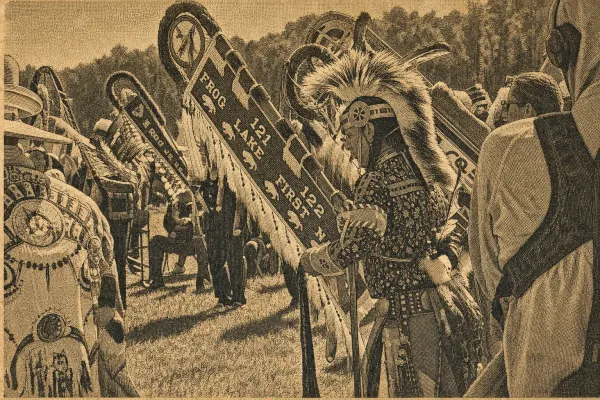
That message carried through public celebrations and quieter moments of reflection across the territory. The treaty’s 150th anniversary brought together drumming, dancing, teaching and remembrance, with communities framing the milestone as both historical and current.
CBC reported that at Fort Carleton, crowds gathered for an anniversary celebration that included drumming, education forums and a display of the original Treaty 6 parchment.
“Being a part of Treaty 6 is pretty special to us,” Preston Gamble told CBC during the event. He described honouring Treaty through songs, food and stories, saying it meant “being able to share our gift of song, our gift of prayer.”
Fort Carleton draws crowds
The parchment display gave some visitors a physical link to the agreement signed generations earlier. Louisa Mieso told CBC she was looking forward to seeing it up close.
“Knowing that our ancestors were here who did sign on the treaties and who took that time,” she said.
Education was also part of the commemoration at Fort Carleton, according to CBC, with forums giving youth, women and elders space to discuss lived experience. Elder Gladys Wapass-Greyeyes told CBC she believed teaching treaties can shape the future.
“I really believe that in the future, the babies that are babies now and the ones growing up, if they’re taught in the same level of education that they will grow together and stronger,” she said. “And maybe make a better world for themselves to live in.”
Treaty 6 contains distinctive famine-and-pestilence and medicine-chest clauses, elements repeatedly highlighted in anniversary coverage as part of what makes the agreement stand apart.
Enoch hosts anniversary powwow
Enoch Cree Nation also hosted a 150th-anniversary powwow at Enoch, west of Edmonton, bringing the milestone into ceremony and celebration.
Crystle Lightning told CTV News the gathering was about culture, ancestors and community.
“We’re celebrating our traditional regalia, our dancing. We’re honouring our ancestors. It’s a way for all of us to come together and celebrate how beautiful and rich our culture is,” she said.
Lightning described the emotional force of the drum and regalia, adding: “We just want everyone to honour the treaties. It was a deal made.”
That insistence on honouring the agreement echoed the broader message from First Nations leaders and organizers: Treaty 6 is not simply a document from 1876. It remains a living relationship with present-day obligations.
Calls to honour the treaty
The anniversary also sharpened attention on the relationship between First Nations and governments.
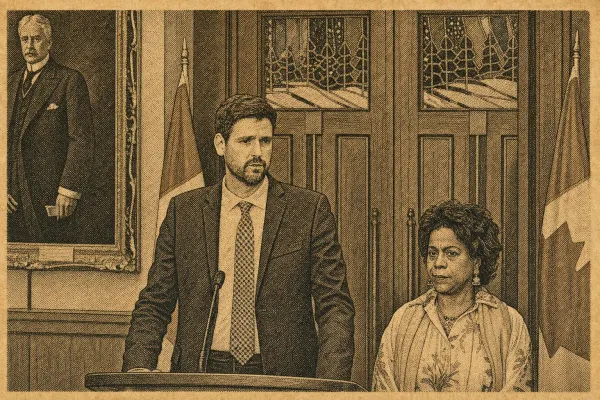
Grand Chief Joey Pete criticized Alberta’s government over its response to an Edmonton commemoration of the anniversary. His criticism reflected the wider call from leaders that governments must approach Treaty 6 as an agreement that still carries responsibilities today.
At Enoch, council member Kyle Peacock told CTV News the treaty relationship has endured across generations.
“The treaties are older than the Constitution, and older than the province of Alberta,” Peacock said. “They’ve been intact and they will stay intact today.”
For communities across Treaty 6 territory, the 150th anniversary was marked through ceremony, teaching, song and public gathering. The message running through those commemorations was clear: the agreement first signed in Saskatchewan on Aug. 23, 1876, still shapes relationships across Alberta, Saskatchewan and Manitoba, and its future depends on whether it is honoured in the present.
Reader-funded. No ads. No paywall.
The Canada Report is independent, reader-funded Canadian news — no advertisers, nothing behind a paywall, kept free for everyone. If you value it, you can help keep it that way.
Support The Canada Report →