

Heads up: some of the links in this post are affiliate links. That means if you click and purchase, we may get a commission. It’s how we keep this site running without cluttering it with ads.
Your foot slides on a slick North Shore root, rain misting down at 8°C, and you have just enough time to think, “If I go down here, I’m taking three people with me.” A few months later, you’re side-stepping scree above Moraine Lake in Banff, tiny rocks rolling underfoot. Same country, totally different demands.
Canadian hiking boots need to handle it all. One day you’re slogging through ankle-deep mud on the West Coast, the next you’re crunching across lingering snowfields or dusty summer trails where +28°C heat bounces off the dirt. In a single shoulder-season hike, you might hit thawed muck in the valley, icy patches in shaded forests, and stubborn snow near the summit. If your boots can’t keep up with Canada’s freeze–thaw mood swings, you feel it in every slippery step and sore toe. And once winter fully sets in, many hikers swap trail footwear for insulated options like the ones in our guide to the best winter boots for Canadian winters.
Quick Overview: Our Top Picks
| Product | Best For | Why We Love It | Price |
|---|---|---|---|
| Rocky backcountry hikes | Tough, waterproof support with plush cushioning that keeps Canadian ridge scrambles comfortable. | $160.00 CAD | |
| Budget weekend trekkers | Wallet-friendly, shock-absorbing comfort that makes day hikes and overnighters feel effortless. | $68.99 CAD | |
| Cold-weather city-to-trail | Cozy fleece warmth and grippy soles for slushy sidewalks and snowy trailheads. | $59.99 CAD | |
| Wet coastal trails | Waterproof grip and breathable support that shine on soggy, rooty Pacific paths. | $66.99 CAD | |
| Fast, lightweight day hikes | Feather-light, cushioned design that keeps pace on long Canadian trail days. | $84.86 CAD | |
| Rugged work-and-hike days | Durable protection and solid ankle support that transition from jobsite to trail. | $59.89 CAD | |
| Unpredictable mountain weather | Storm-ready waterproofing and responsive cushioning built for sudden rain, sleet, or snow. | $64.98 CAD |
Columbia Womens Newton Ridge Plus Waterproof Amped, Elk/Mountain Red
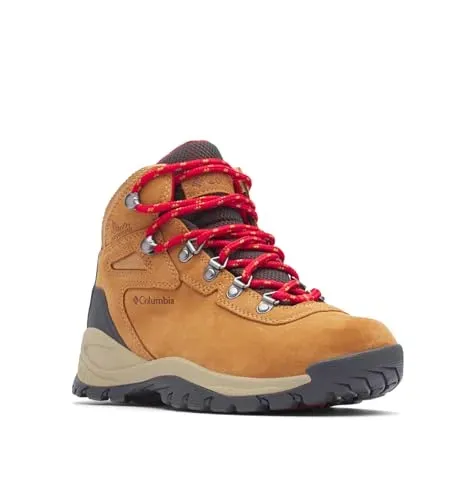
The Columbia Newton Ridge Plus Waterproof Amped is a great pick if you’re after women's hiking boots that can handle soggy Canadian shoulder seasons and early snow. Built with a seam-sealed leather and suede upper, they keep feet dry on slushy paths and muddy trails. Underfoot, Columbia’s TECHLITE midsole keeps things surprisingly light for a mid-cut boot, while still offering cushioning and energy return for longer days on mixed terrain. The Omni-Grip outsole grips wet roots, rock, and packed snow without feeling clunky on gravel or boardwalk. Reinforced toe and heel zones add durability for rocky scrambles in the Rockies or rough cottage-country hikes. If you want a boot that balances support, waterproofing, and everyday wearability, this is a premium choice for Canadian trails.
Pros
- Excellent waterproofing for wet, slushy Canadian trail conditions
- Lightweight hiking boots feel nimble despite mid-cut support
- Omni-Grip outsole offers reliable traction on varied terrain
- Reinforced toe and heel improve long-term durability
Cons
- Can run a bit narrow for wider feet
- Warm for peak-summer hiking; not very breathable
NORTIV 8 Men's Ankle High Waterproof Hiking Boots Armadillo, BROWN/BLACK/TAN
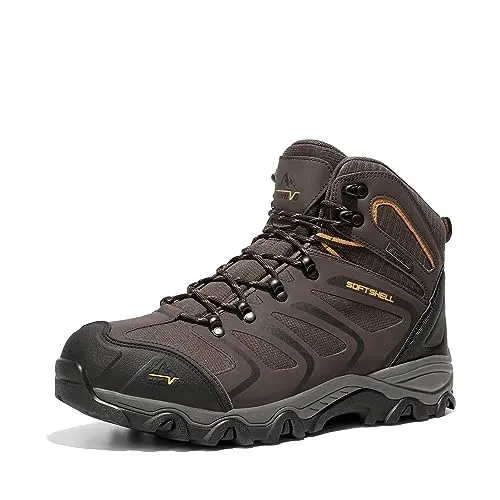
If you’re looking for budget-friendly men's hiking boots for trails that can still handle classic Canadian slush, the NORTIV 8 ARMADILLO are worth a look. These ankle-high hiking boots pair a waterproof upper with a rubber outsole that actually grips in wet and muddy sections. The lightweight EVA midsole keeps them from feeling clunky, so they work well on trails and for everyday wear around town. Removable, shock-absorbent insoles add cushioning for longer days on your feet, whether you’re backpacking or just walking the dog in March slop. While there’s no formal temperature rating, they’re best as all season hiking boots. As waterproof hiking boots go at this price, they strike a nice balance of support, comfort, and durability for light to moderate use on Canadian trails.
Pros
- Very affordable for a waterproof boot
- Lightweight EVA midsole helps reduce foot fatigue
- Good traction on wet, muddy Canadian trails
Cons
- Not insulated enough for very cold winter conditions
- Best for light to moderate use, not heavy backpacking
Men's Women's Snow Boots Warm Fur Lined Ankle Booties Hiking Trekking Trail Climbing Shoes Lace Up Anti-Slip Waterproof Working Outdoor Boots
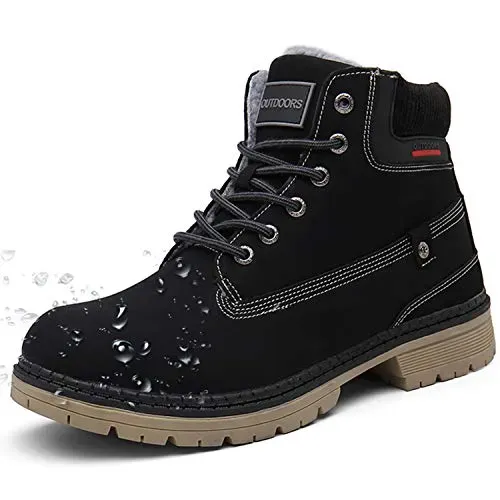
These fur-lined ankle booties blur the line between winter work boot and casual trail boots, making them a budget-friendly pick for lighter Canadian adventures. Built from PU synthetic leather with a thick, soft lining and upgraded velvet interior, they’re designed to keep feet warm on cold, slushy days around town or on easy forest paths. The oxford rubber sole is the real highlight: it’s grippy and wear-resistant, giving you decent traction on packed snow, icy sidewalks, and mellow trails. As waterproof hiking boots go, these are more “urban commuter” than backcountry workhorse, but they can double as entry-level women's hiking boots or men's hiking boots for short, dry hikes. They’re marketed as all season hiking boots and match easily with jeans, leggings, or snow pants, but the heavy insulation and limited breathability make them better for cool to cold weather than hot summer trail days.
Pros
- Warm fur-lined interior keeps feet cozy in Canadian winters
- Grippy oxford rubber sole for snowy sidewalks and easy trails
- Very affordable compared with most waterproof boots at this level
Cons
- Heavier and less breathable than true lightweight hiking boots
- Better for casual walking than demanding mountain hiking routes
NORTIV 8 Women's Waterproof Hiking Boots Outdoor Trekking Camping Trail Hiking Boots, Black Blue
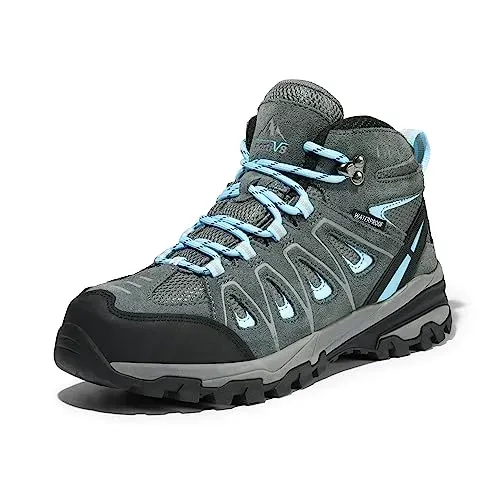
The NORTIV 8 Women’s Waterproof Hiking Boots are a solid budget pick if you hike in wet Canadian conditions but do not want heavy, clunky footwear. Built with a mix of suede leather overlays and breathable mesh panels, they aim to balance protection with airflow, so your feet stay drier on muddy spring trails or slushy city ravines. A lightweight midsole keeps them from feeling like classic “brick” boots, while the rubber outsole is designed for traction on slick rocks, wet roots, and packed snow. These are best suited for shoulder seasons or mild winter days, rather than extreme backcountry cold. The feminine styling and black/blue colour combo make them feel less like work boots and more like everyday women's hiking boots you can wear from trailhead to errands.
Pros
- Waterproof design works well for rain, mud, and slush
- Lightweight hiking boots that will not feel bulky on trails
- Breathable mesh tongue helps reduce sweat on longer hikes
- Feminine styling and colour contrasts look less “industrial”
Cons
- Not insulated enough for very cold winters
- This model is only shown in one colour
Women's Thermator Hiking Boots Waterproof Lightweight Work Shoes, Insulated Mid High-Traction Grip
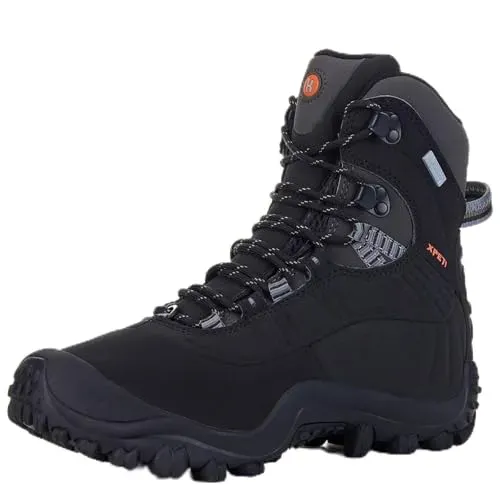
If you want lightweight hiking boots for trails across Canada but still need winter-ready protection, these Women’s Thermator boots are a budget-friendly option. They’re positioned as waterproof hiking boots with an integrated EVA midsole, so you get decent cushioning and shock absorption without the bulk of a heavy leather boot. The insulated, mid-height design and moulded TPU ankle support help keep your feet warmer and more stable on wet West Coast singletrack or slushy city paths. A rubber toe cap and aggressive rubber outsole are built for grip on slick rocks, packed snow, and muddy roots, making them practical for shoulder seasons and mild winter days. At around $85 CAD, they sit in the affordable range for women's hiking boots in Canada.
Pros
- Lightweight design helps reduce fatigue on longer day hikes
- Aggressive outsole and toe cap give solid traction and protection
- Supportive mid-cut ankle with TPU for extra stability
Cons
- Consistently reported to fit small; most need a full size up
CC-Los Men's Waterproof Hiking Boots Lightweight & All Day Comfort, Brown
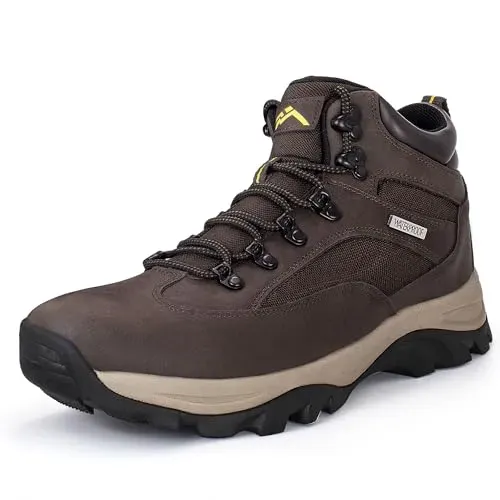
The CC-Los Men’s Waterproof Hiking Boots are a budget-friendly option for hikers who want reliable, no-nonsense performance on Canadian trails. Built with a waterproof membrane and a premium split leather upper, they’re designed to keep your feet dry in slush and light rain while still feeling like lightweight hiking boots rather than heavy winter footwear. A rubber toe cap and reinforced heel give you extra protection on rocky terrain, and the grippy rubber outsole helps on wet roots and loose gravel. Underfoot, an EVA midsole adds cushioning and energy return for all-day comfort on longer day hikes. There’s no official temperature rating, so you’ll likely want warm socks for sub-zero days, but for shoulder seasons and mild winter use, they offer strong value on Canadian trails.
Pros
- Waterproof membrane keeps feet dry in slush and shallow puddles
- Durable split leather upper feels sturdy for rough Canadian trails
- Good traction and cushioning for all-day trail comfort
- Strong value at this price point
Cons
- No temperature rating, may need thicker socks in winter
Columbia Mens Transverse Waterproof Hiking Boot, Black/Mountain Red
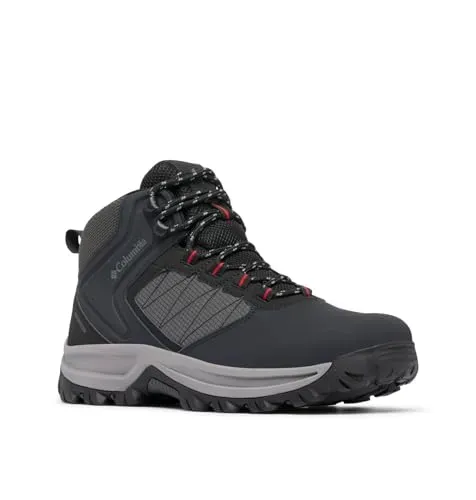
The Columbia Men's Transverse Waterproof Hiking Boot is a solid all-rounder for Canadian trails, especially if you hike in wet, slushy shoulder seasons. It uses Columbia’s Omni-Tech waterproof membrane with seam-sealed construction, so you get reliable protection in moderate rain, spring melt, and light snow without feeling like your feet are trapped in rubber boots. A mix of durable leather and mesh keeps these trail hiking boots tough yet reasonably breathable, while the cushioned collar helps prevent hot spots on longer outings. Underfoot, the Techlite midsole offers lightweight impact absorption, making them comfortable for full days on mixed terrain. The Omni-Grip outsole is built for multi-terrain traction on rock, dirt, and gravel. They’re one of the better values for men's hiking boots Canada has to offer for wet, all season hiking.
Pros
- Omni-Tech waterproofing handles slush, wet snow, and steady rain
- Techlite midsole feels cushioned yet stays relatively lightweight
- Omni-Grip outsole provides dependable traction on wet rock and dirt
- Impressive durability for the price point
Cons
- Wide fit may feel roomy for narrower feet
Hiking Boots vs Trail Runners: Which Do You Need?
For most Canadian trails, the choice comes down to traditional hiking boots vs lightweight trail running shoes. Waterproof hiking boots offer better ankle support, thicker soles, and more protection from roots, rocks, and early-season snow. They’re ideal for rocky Kootenay scrambles, muddy shoulder-season hikes in Cape Breton, or wet, rooty West Coast trails where waterproofing and durability really matter. The trade-off is weight and a longer break‑in period, which can feel heavy on long, fast days.
Trail runners are lighter, more flexible, and often more breathable—great for well‑maintained Ontario and Quebec park trails in summer, or long-distance thru-hikes where you’re covering big kilometres on mixed terrain. They dry faster when soaked but usually offer less protection and shorter lifespans on sharp Canadian granite or talus. In winter conditions, trail runners typically need insulated socks and microspikes, while sturdy hiking boots can handle packed snow and slush more comfortably. If you’re mostly day hiking groomed trails in fair weather, trail runners may be enough. If you’re carrying a heavier pack, tackling rugged terrain, or hiking in shoulder seasons across Canada, proper hiking boots are the safer, longer‑lasting choice.
Budget vs Premium: What’s the Difference?
In Canada, budget hiking boots usually sit around $120–$180. You’ll get basic waterproof membranes, synthetic uppers, and adequate grip for maintained trails. They’re fine for occasional summer weekend hikes in places like Gatineau Park or Jasper’s easier routes. The trade-off is shorter lifespan—soles can wear faster on rocky Canadian Shield, and waterproofing may fade after a season or two, especially in soggy BC or the Maritimes.
Premium hiking boots ($230–$350+) typically bring better leather or mixed uppers, more advanced waterproofing (often Gore‑Tex), superior traction compounds, and more supportive midsoles for long days with a pack. They tend to last longer under Canadian freeze–thaw cycles, wet roots, and abrasive rock. Many premium brands offer stronger warranties and easier access to repairs or resoling, which can stretch value over five-plus seasons if you hike often. If you mostly hike a few sunny days each summer, budget boots are perfectly reasonable. If you’re out in all seasons, tackling coastal mud, Rockies scree, or chilly fall and spring conditions, premium boots usually pay off in comfort, durability, and fewer mid‑season boot failures.
How to Choose the Best Hiking Boots for Canadian Conditions
Shopping for hiking boots in Canada means preparing for everything from muddy West Coast rainforest to rocky Ontario escarpments and chilly alpine passes in the Rockies. Some of the country’s most rewarding hikes aren’t even the famous ones—many are tucked away in places like the waterfalls, coastal trails, and alpine lakes featured in our guide to hidden natural gems in British Columbia. Trails like these can throw wildly different terrain at you in a single day, from slick forest roots to loose gravel and steep mountain switchbacks.
The best hiking boots strike a balance between support, grip, and weather protection without feeling like cinder blocks on your feet. You’ll want to think about season, terrain, and how much weight you’re carrying—whether you’re day hiking in Gatineau Park or tackling multi-day treks in Gros Morne. Prioritise a secure fit, weather-appropriate insulation and waterproofing, and soles that can handle wet roots, loose scree, and the occasional patch of snow or ice.
Key Features to Look For
Weather Protection and Waterproofing
In Canada, even “dry” forecasts can turn into sideways rain or late-season snow, so waterproof hiking boots are worth serious consideration. Look for boots with a waterproof-breathable membrane (like Gore-Tex or a brand’s in-house liner) combined with treated leather or tightly woven synthetics. This keeps your feet dry slogging through coastal mud in B.C. or dewy prairie grass in Alberta. Check that seams are well sealed and tongues are gusseted to keep out water and debris. For shoulder-season hikes where temperatures can hover around 0–5 °C with slush and wet snow, waterproof hiking boots paired with good wool socks can make the difference between a comfortable walk and numb toes.
Fit, Support, and Comfort
Comfortable hiking boots are critical when you’re covering long distances on mixed Canadian terrain. A good fit means snug in the heel, secure over the midfoot, and enough wiggle room in the toes to handle downhill sections without smashing your toenails. Many brands design women's hiking boots and men's hiking boots on different lasts, so try gender-specific models to match your foot shape. For backpacking or rocky trails, look for a stiffer midsole and higher ankle support. For easier trails, lightweight hiking boots with a bit more flex can reduce fatigue and feel more nimble, especially for day hikes.
Outsole Grip and Traction
Hiking boots for trails across Canada need serious traction. Wet roots in coastal rainforests, loose gravel in the Rockies, and slabby Canadian Shield rock all demand grippy, durable outsoles. Look for deep, multi-directional lugs that shed mud and bite into soft ground, plus harder rubber zones at the heel and toe for braking and edging on rock. Trail hiking boots with aggressive tread patterns perform better on steep BC hikes or slick Quebec trails in spring. In shoulder seasons when temperatures dip below freezing and you encounter icy patches, a softer rubber compound can help, though pairing your boots with microspikes is still wise for true winter conditions.
Weight, Materials, and Breathability
Balancing durability and weight is key when choosing the best hiking boots in Canada. Full-grain leather uppers offer excellent longevity and support, making them great durable hiking boots. However, they can feel heavier and warmer. Synthetic or mixed-material uppers are lighter and often create more breathable hiking boots, ideal for hot July hikes. If you mainly hike in spring, summer, and fall, look for lightweight hiking boots with mesh panels for breathability and less bulk. For year-round hiking including winter conditions, choose insulated boots with waterproof liners and reinforced leather that protect against cold and wet without overheating during warmer months.
If you plan to hike through Canadian winters, you may also want a dedicated cold-weather pair. Our guide to the best winter boots for Canada covers insulated options built for deep snow and sub-zero temperatures.
Frequently Asked Questions
Q: What are the best hiking boots for typical Canadian trails?
For mixed Canadian terrain—rocky Ontario escarpments, muddy BC rainforest, and rooty Laurentian paths—the best boots balance grip, waterproofing, and comfort. The Columbia Transverse and Newton Ridge Plus are strong all-season choices with firm ankle support and aggressive tread, ideal for most maintained trails. For lighter day hikes, the NORTIV 8 models offer solid waterproofing at a lower price point. In shoulder seasons with colder mornings, an insulated option like the Thermator adds warmth without bulk. Match your boot to the terrain and season rather than looking for one pair that does everything.
Q: Are waterproof hiking boots really necessary for Canadian conditions?
For most regions in Canada, waterproof boots are highly recommended rather than optional. Trails in BC's coastal areas stay damp year-round, and in Ontario and Quebec, spring thaw and late-fall rains can soak through unsealed boots quickly. A waterproof-breathable membrane like the Omni-Tech in the Columbia Transverse keeps feet dry without trapping sweat. In colder or shoulder-season hikes, insulated models add slush and snow protection. Unless you only hike in dry mid-summer in the Prairies, waterproof boots are the safer, more versatile choice.
Q: How much does it cost to buy and use good hiking boots in Canada?
Prices in this guide range from about $59 to $160 CAD. Budget models from NORTIV 8 and CC-Los sit in the $59–$85 range, ideal if you hike a few times a month. The Columbia Newton Ridge Plus and Transverse cost more but offer long-term durability and better support—good value if you hike regularly. Quality boots can last 3–5 years with proper maintenance. Use wool or synthetic hiking socks for moisture management and apply waterproofing treatment annually.
Q: Is it worth spending more on premium hiking boots instead of cheaper options?
It depends on how often you hike and where. The Columbia models in this guide offer better midsole cushioning, more precise fit, and longer-lasting waterproofing than basic boots. Over multi-day trips in the Rockies or long treks in Algonquin, that translates into fewer hot spots and better comfort. But the NORTIV 8 and CC-Los models deliver solid performance at lower cost for day hikes and weekend trips. If you're out weekly in all seasons, investing more upfront usually pays off in comfort and durability over several seasons.
Q: How long do hiking boots typically last on Canadian trails, and when should I replace them?
For regular weekend hiking (20–30 km per week), well-built boots like the Columbia Transverse or Newton Ridge can often last 2–4 years. Lighter budget boots may wear faster on sharp rock or scree. Replace your boots when tread is noticeably worn smooth (poor grip on wet roots), the midsole feels flat or unsupportive, or waterproofing fails even after re-treatment. Don't wait until seams split—once cracking or delamination appears, it's time for a new pair.
Q: Can I use these hiking boots with traction aids, snowshoes, and common Canadian winter gear?
Most of these boots work well with typical Canadian winter add-ons. The Columbia Transverse and Newton Ridge have sturdy heel and toe profiles that accept microspike harnesses for icy trails. The NORTIV 8 boots also fit most snowshoe bindings and traction devices, provided you choose the correct size. Always test the fit of crampons or microspikes at home before hitting the trail—make sure straps don't press painfully on seams and that the boots still flex naturally with your stride.
Q: Which hiking boots work best for BC, Prairie, Ontario, and Atlantic Canada weather?
BC's wet coastal trails call for reliable waterproof boots with good grip—the Columbia models and NORTIV 8 boots excel here. In the Prairies, breathable boots work for summer while insulated options like the Thermator or fur-lined Snow Boots cover icy, wind-chilled days. Ontario and Quebec hikers often need all-season boots that work from shoulder season to light winter on mixed rock-and-root trails. Atlantic Canada's coastal humidity and sudden storms favour fully waterproof boots, with insulated options kept for colder shoreline hikes.
Q: How do I clean and care for waterproof hiking boots so they last longer?
After muddy hikes, gently brush off dried mud with a soft brush. Use mild soap and lukewarm water on stubborn dirt; avoid harsh detergents. Let boots air-dry at room temperature—never on a radiator or near direct heat, which can damage waterproof membranes. For insulated boots, remove liners or insoles (if possible) to dry faster after snowy outings. Once dry, apply a suitable waterproofing spray or cream periodically, especially around flex points and seams. Store boots in a cool, dry place and stuff them loosely with newspaper to maintain shape.
Q: How do I choose the right size and fit for hiking boots?
Aim for a snug heel, secure midfoot, and wiggle room in the toes. Try boots on with the hiking socks you'll actually wear. In Canada, many hikers size up by about half a size to accommodate thicker wool socks, especially for shoulder-season or winter trips. Check that your toes don't hit the front on steep downhill sections. Lace fully, then walk up and down stairs if possible; your heel should not lift more than a few millimetres. For insulated winter boots, allow extra room for thicker socks but avoid a loose fit that reduces control on icy trails.
Q: Are these hiking boots comfortable enough for long backpacking trips in Canada?
For multi-day backpacking, the Columbia Transverse and Newton Ridge Plus offer strong ankle support, cushioning, and reliable waterproofing for carrying heavier packs on trails like those in the Rockies or Gros Morne. The lighter NORTIV 8 and CC-Los models perform well for day hikes and hut-to-hut trips with moderate terrain and lighter loads. In colder seasons, the insulated options boost comfort in sub-zero temperatures but are better for shorter distances or slower winter treks than heavy-load expeditions.
For icy conditions specifically, check out our picks for the best winter boots for ice traction, which pair well with hiking boots when the trails freeze over.
Final Thoughts: Picking the Right Boots for Canadian Trails
Finding the right hiking boots for Canadian trails comes down to matching your footwear to our wildly varied terrain and weather. For most hikers, the Columbia Womens Newton Ridge Plus Waterproof stands out as the top pick, thanks to its reliable waterproofing, secure ankle support and comfortable fit right out of the box. It’s especially well-suited to weekend hikes in places like Ontario’s Bruce Trail or B.C.’s coastal routes, where you’re likely to meet mud, roots and sudden showers on the same outing.
If you’re tackling rougher, rockier trails or carrying a heavier pack, the NORTIV 8 Men's Ankle High Waterproof Hiking Boots offer sturdy ankle protection and durable outsoles that grip well on uneven ground. They’re a strong option for longer days in the Laurentians or the Canadian Rockies, where stability matters as much as comfort. For colder shoulder-season trips or light winter use around town and on packed trails, the Men's Women's Snow Boots Warm Fur Lined provide extra insulation and a cozy interior that helps keep feet warm during frosty mornings and slushy sidewalks.
Before making your final decision, measure your feet, think honestly about your usual distance and terrain, and consider sizing up slightly if you’ll be wearing thicker wool socks. Whenever possible, try your boots on late in the day when your feet are more swollen, and walk on inclines or stairs to test heel hold and toe room.
Choose the pair that best matches your local conditions and hiking goals, then get out and put them to work. With the right boots underfoot, you’ll be better prepared to explore more of Canada’s trails, one confident step at a time.