
Sourced from 3 news outlets and 1 primary source · most facts from Mark Carney · 1 point in dispute. How we sourced this
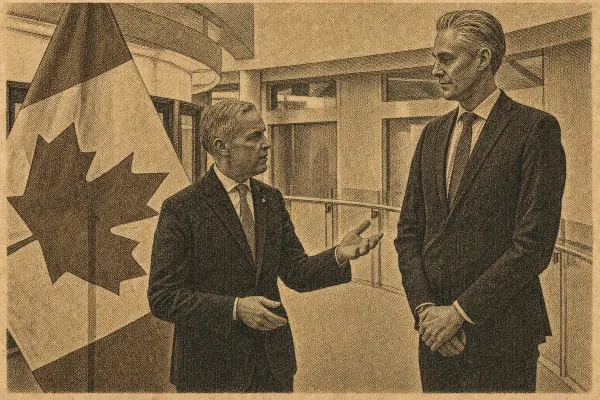
Prime Minister Mark Carney has designated the proposed Mackenzie Valley Highway a project of national interest under the Building Canada Act, marking the first such project in Canada’s North.
Key facts
- The proposed 800-kilometre all-season highway would link Highway 1 at Wrigley with the Dempster Highway and provide year-round road access for Tulita, Norman Wells and Fort Good Hope for the first time.
- The federal government says the highway would reduce the Yellowknife-to-Inuvik driving time and make deliveries of food, medicine and construction materials more reliable.
- The project is expected to create about 3,000 jobs at peak construction and unlock new economic opportunities, including resource development.
- The federal government says the project will strengthen Arctic security.
Announced Nov. 27, the designation moves forward a proposed 800-kilometre all-season route linking Highway 1 at Wrigley with the Dempster Highway. It would give Tulita, Norman Wells and Fort Good Hope year-round road access for the first time.
Year-Round Access for Communities
The highway is expected to improve transportation access for more than 10,000 people, including about 1,900 Sahtu residents who would gain an all-season road connection for the first time.
The Mackenzie Valley project also fits into a broader federal push to advance major transportation and resource corridors, a theme reflected in The Canada Report’s coverage of PM Carney’s six major infrastructure projects in Northern B.C. That wider agenda underscores why Ottawa is framing the highway as more than a local road upgrade, but as part of a national supply-chain strategy.
The federal government says the route would make deliveries of food, medicine and construction materials more reliable, while reducing the driving time between Yellowknife and Inuvik.
“More than a road, it will be a gateway to improving lives, unlocking new economic opportunities, and strengthening our sovereignty,” Carney said. “A North connected year-round makes Canada strong.”
Jobs, Development and Security
The project is expected to create about 3,000 jobs at peak construction and open opportunities including resource development. Ottawa also says the highway will strengthen Arctic security.
Northwest Territories Premier R.J. Simpson said “generations of Northerners” have worked to make the route a reality.
“Better connecting the North to the rest of Canada will improve the lives of Northerners, open new economic opportunities, and allow the Northwest Territories to contribute even more to the prosperity and security of this country,” Simpson said.
Governance and Federal Funding
Two days before Carney’s announcement, Sahtu Secretariat Incorporated, the Gwich’in Tribal Council, Pehdzéh Kı̨ First Nation, the Government of the Northwest Territories and the federal government signed a Leadership Governance Understanding. The agreement sets out a collaborative framework for governance, planning and the project’s long-term direction.
The national-interest listing will streamline federal regulatory approvals through the Major Projects Office. A new major projects management entity is also to work with Indigenous governments and the Northwest Territories government.
Ottawa says it will fully fund construction and some maintenance costs through Budget 2026 and the Arctic Infrastructure Fund. The project remains subject to a pending environmental impact assessment by the Mackenzie Valley Environmental Impact Review Board, and construction could begin in late 2027 if it is approved.
A Separate Arctic Corridor
Carney also announced more than $120 million from the Arctic Infrastructure Fund for the Arctic Economic and Security Corridor. The proposed all-season road would link Yellowknife to the Nunavut border and is intended to be shovel-ready by 2029.
What we don't know yet
- The highway project has not been approved because it is subject to a pending impact assessment review by the Mackenzie Valley Environmental Impact Review Board.
- Estimates for the maintenance share of the highway haven’t been finalized.
How outlets covered it
- CWIBC — “Carney Advances Mackenzie Valley Highway as National Project”, Nov. 27, 2026. By Eka Dwi Pratama. Quoted Prime Minister of Canada Mark Carney; Premier of the Northwest Territories R.J. Simpson.
- Cantech Letter — “Prime Minister Carney lists the Mackenzie Valley Highway as a project of national interest to connect and transform Canada’s North”, Nov. 27, 2026. Led with Canada’s effort to strengthen domestic connections. Quoted Rt. Hon. Mark Carney, Prime Minister of Canada; Hon. R.J. Simpson, Premier of the Northwest Territories. Not in the other reports here: nearly 70 years of highway proposals and studies.
- Global News (Corus Entertainment) — “Carney lists N.W.T’s Mackenzie Valley Highway as project of national interest - National”, Nov. 27, 2026. Led with the federal designation of the Mackenzie Valley Highway as nationally significant. Quoted federal government; a government news release. Not in the other reports here: the highway’s stated federal funding and expected capital cost; a potential late-2027 construction start following approval.
Reader-funded. No ads. No paywall.
The Canada Report is independent, reader-funded Canadian news — no advertisers, nothing behind a paywall, kept free for everyone. If you value it, you can help keep it that way.
Support The Canada Report →How we sourced this story
| Most key facts come from one source, Mark Carney, as reported by 3 news outlets. They differ on 1 point. |
11 key facts · 0 independently corroborated · 10 from statements or releases · 1 disputed
Where sources differ
How much the Yellowknife-to-Inuvik drive time is expected to be reduced
CWIBC: The highway could reduce driving time between Yellowknife and Inuvik from approximately 38 hours to an estimated 23 hours.
Cantech Letter: The highway would cut the drive between Yellowknife and Inuvik from approximately 38 hours to an estimated 23 hours.
Global News: It would cut the 28-hour drive from Yellowknife to Inuvik down to 15 hours.
Also used
- Le premier ministre Carney inscrit la route de la vallée du Mackenzie comme projet d'intérêt national afin de relier et de transformer le Nord du Canada — Cision Newswire, Nov. 27, 2026 (press release, in French)
French-language reports were read in machine translation; the links go to the originals.
How we put this together: we compare reporting from the outlets above, draft with the help of AI tools, and an editor checks every story before it's published. Our methodology.