

Based on coverage from CBS News, CBC, Syracuse.com, and CHEK News.
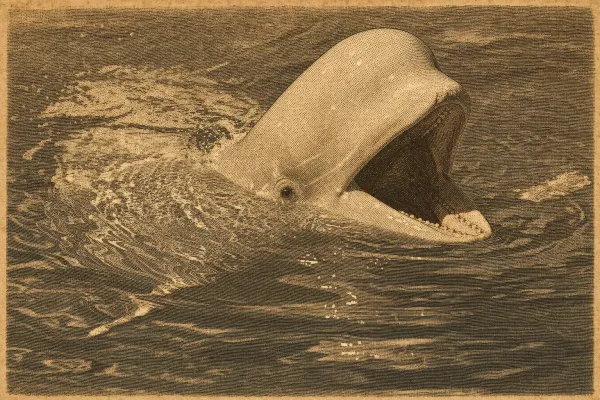
Marineland’s remaining beluga whales are finally on track to leave the closed Niagara Falls, Ont., park after U.S. officials signed off on what’s being called an emergency rescue.
The plan involves moving most of Marineland’s 30 belugas to accredited aquariums in the United States, with two whales also slated for an aquarium in Spain. The transfers still need several approvals on the Canadian side, including individual health checks by Canadian veterinarians.
Marineland beluga rescue plan approved
U.S. authorization came Wednesday from the National Oceanic and Atmospheric Administration, clearing the way for an international relocation effort involving Shedd Aquarium (Chicago), Georgia Aquarium (Atlanta), SeaWorld San Antonio, SeaWorld San Diego, and Oceanogràfic València in Spain.
Ottawa has already endorsed the rescue plan, and Fisheries and Oceans Canada (DFO) Minister Joanne Thompson called the U.S. approval “an encouraging and critical next step” toward safely relocating the whales.
Marineland, which closed to the public in 2024, has said it’s in a financial crisis and can no longer provide the long-term care the animals need. The park said it welcomed the U.S. authorization and supports moving the whales as being in their best interest.
Where the Niagara Falls belugas will go
Multiple reports agree on the broad outline: 28 belugas are expected to go to U.S. facilities, and two to Spain. But there are slightly different details about how the U.S. group will be split.
CBC, citing Shedd Aquarium’s Johnny Ford, reported that under the current plan 28 belugas would go to the American aquariums, with two bound for Spain.
The Whale Sanctuary Project, cited in other coverage, provided a more detailed breakdown: 13 whales to SeaWorld San Antonio, 10 to Shedd Aquarium, three to SeaWorld San Diego, and two to Georgia Aquarium.
Shedd Aquarium has said “up to 10” belugas from Marineland will join its existing beluga group in Chicago. A Shedd vice-president, Dr. Karisa Tang, said the aquarium’s veterinary program includes routine wellness exams and what she described as state-of-the-art medical care, adding the goal is to provide “the best possible life” for the whales.
Canadian permits and veterinarian checks required
Even with U.S. approval, the whales can’t just be loaded up and moved. The process is expected to take weeks and still depends on Canadian requirements.
Thompson said export permits under the Convention on International Trade in Endangered Species of Wild Fauna and Flora (CITES) have been issued. One condition is that each whale must pass a health check completed by a Canadian veterinarian. After those assessments and the right documentation are provided to DFO, Thompson said she will provide the final Fisheries Act authorizations needed for the relocation.
The American aquarium consortium said care teams from the U.S. facilities will arrive at Marineland in the coming weeks to assess the belugas’ well-being and prepare for travel, and that no whale will move until cleared by Canadian veterinarians.
Animal welfare concerns and criticism of destinations
Marineland has long faced government scrutiny over animal welfare concerns. CBC reported the park previously held a mix of marine mammals, including belugas and other whales, dolphins, seals, and sea lions, along with land animals such as bears and deer, plus amusement rides.
The urgency behind the current plan also reflects the stakes. CBC previously reported that Marineland threatened in January to euthanize the belugas and four dolphins unless permission was granted to ship them to the U.S.
Not everyone is happy with where the whales are going. News 4 Buffalo reported that Animal Justice is disappointed the belugas are being sent to commercial facilities rather than retirement sanctuaries, even as animal welfare experts say the move is preferable to conditions at the shuttered park.
What happens next for the belugas
The consortium of U.S. aquariums describes the relocation as a complex operation and says the whales will be accompanied by aquarium experts, with access to diverse seafood diets, controlled water quality, and on-site medical care at their new facilities.
The last big gate is the hands-on veterinary clearance for each animal in Canada, followed by final federal authorization to export them. Once those boxes are checked, the actual moves are expected to roll out over several weeks.
Reader-funded. No ads. No paywall.
The Canada Report is independent, reader-funded Canadian news — no advertisers, nothing behind a paywall, kept free for everyone. If you value it, you can help keep it that way.
Support The Canada Report →