

Heads up: some of the links in this post are affiliate links. That means if you click and purchase, we may get a commission. It’s how we keep this site running without cluttering it with ads.
It’s Friday night, and you’ve only got a long weekend. By sunrise, you’re breathing in sharp salt air on the Bay of Fundy with the tide already on the move—water climbing fast enough to make yesterday’s beach feel like a different coastline. The air’s a crisp 12°C, your coffee’s gone lukewarm, and you’re timing your walk to the shoreline like it’s part of the plan (because it is). A few hours later, you’re eating lunch beside a prairie lake where the wind never seems to quit, the sky looks twice as big as it does back home, and the thermometer is flirting with 26°C. By evening, you’re on a rainforest boardwalk on Vancouver Island, damp cedar scent all around, watching the Pacific turn silver at sunset while the temperature settles back to 15°C and your rain jacket earns its keep.
That’s the magic of Parks Canada national parks: you don’t need a two-week itinerary or a backcountry permit to feel like you went somewhere. You can do it in day-trip-sized bites—waterfalls, dunes, bison country, big-lake shorelines, and those “is this real?” mountain viewpoints—then sleep in a real bed and still be home for work on Tuesday.
This is our guide to the best national parks in Canada, coast to coast—national parks only (no provincial parks, no detours), with the best season to visit each one, the nearby town that makes it easy, and what to pack. Canada has 37 national parks and 11 national park reserves, and rather than rank them 1-to-48, we've picked the standouts region by region so you can find the best park for where you are and what you're into. We’ll talk practical details too, like planning around the Bay of Fundy’s world-famous tides (they can rise more than 12 metres), timed-entry realities in popular spots, and what to pack when the forecast swings 10°C in a single afternoon. Pick one park near your route, and start your own cross-country checklist—one free day at a time.
Below is the at-a-glance version: the best national park in each region, what it's best for, and where to base yourself. Full write-ups follow.
| Region | Park | Best for | Nearby base town |
|---|---|---|---|
| Atlantic | Fundy National Park (NB) | Tides, waterfalls, families | Alma |
| Atlantic | Kejimkujik (NS) | Paddling, dark skies, culture | Liverpool |
| Central | La Mauricie (QC) | Lakes & lookouts | Shawinigan |
| Central | Bruce Peninsula (ON) | Cliffs & turquoise water | Tobermory |
| Central | Point Pelee (ON) | Birding & easy beaches | Leamington |
| Prairie | Riding Mountain (MB) | Wildlife & lake days | Wasagaming |
| Prairie | Grasslands (SK) | Big skies & dark-sky nights | Val Marie |
| Rockies | Banff / Yoho / Jasper (AB/BC) | Mountain greatest hits | Banff, Field, Jasper |
| Pacific | Pacific Rim (BC) | Rainforest & surf coast | Tofino / Ucluelet |
Atlantic salt air and the highest tides at Fundy National Park
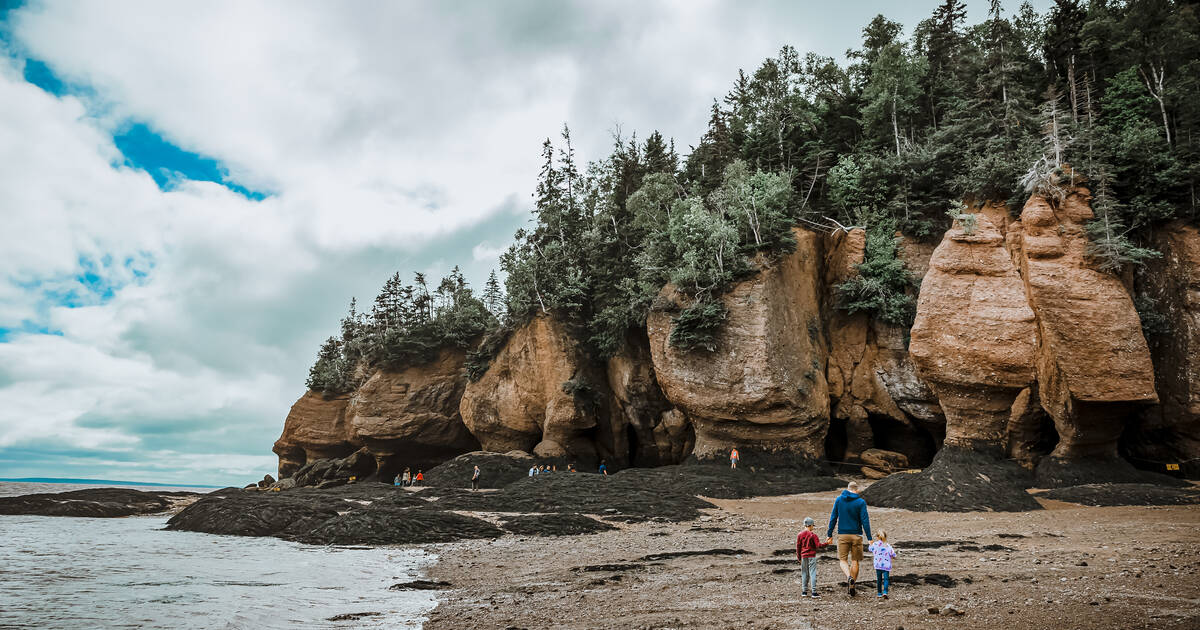
If you want a day trip that feels like Atlantic Canada in your bones, Fundy delivers fast. You step out of the car and the air tastes like salt and spruce. Depending on the hour, the shoreline might look like a normal beach… or a moonscape of exposed mudflats and rock ledges, with the waterline pulled way out. Those Bay of Fundy tides aren’t a fun fact here—they’re the whole rhythm of your visit.
Why it’s a must-see: Fundy National Park packs a rare “forest-to-sea” variety into a compact area. In one afternoon you can walk under dripping evergreens, hit a waterfall, and finish with a shoreline stop where the tide changes the landscape by the minute. It’s also one of the easiest national parks in the region to do in bite-sized chunks—ideal if you’re travelling with kids, grandparents, or anyone who’s not up for a long hike.
Best seasons for day trips
- Late May to October: the sweet spot for trails, waterfalls, and comfortable picnic weather (often 15–25°C in summer, cooler near the coast).
- September to early October: fewer bugs, crisp air, and excellent foliage.
- Winter: quieter and beautiful in a stark way, but services and trail access can be limited; plan for icy sections and short daylight. If you do go, a set of slip-on ice cleats turns a sketchy frozen path into a manageable one.
A simple one-day “greatest hits” plan
1. Start with a coastal viewpoint while you’re fresh. Even a short walk to the shore gives you that Fundy “wow.”
2. Pick one waterfall walk (choose based on your group’s energy). Waterfall trails can be damp and rooty, so expect slippery patches after rain.
3. Time a beach stop around the tide table. Low tide can open up areas you simply can’t reach at high tide, and the difference is dramatic enough that it’s worth planning your whole day around it.
Nearby towns that make it easy
- Alma: the classic base—close, friendly, and perfect for grabbing food after a salty, windblown walk.
- Moncton: doable as a day-trip launch point if you don’t mind a longer drive.
- Saint John: possible for a long day if you start early and keep your route simple.
Practical notes you’ll be glad you knew
- Tide timing changes everything. Check the day’s tide table before you leave. Aim to arrive near the shore 1–2 hours before low tide for the most “revealed coastline” effect.
- Footwear matters. Mud, slick rocks, and wet roots are common, so a breathable waterproof shell and a properly waterproof pair of hiking boots beat runners after rain.
- Low tide isn’t “safer,” just different. More ground is exposed, but it can be uneven and sticky. Keep kids close, and don’t wander too far out if the tide is turning.
Pros: huge scenery payoff for short effort, easy to mix stops, great for families. Cons: your experience depends on tide timing, and wet weather can make trails slippery.
Canoes, Mi’kmaq culture, and dark skies at Kejimkujik
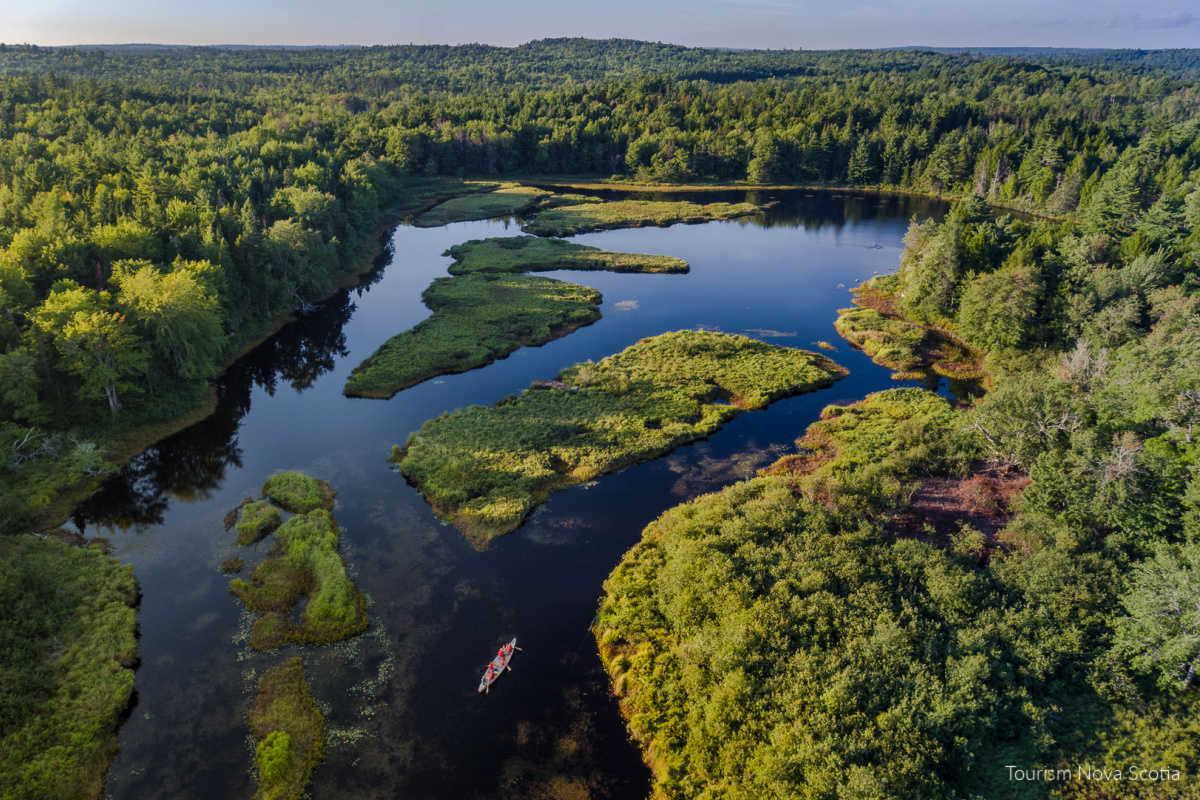
Kejimkujik is the kind of place that quietly rewires your pace. The roads feel narrower, the forest closes in, and suddenly you’re beside still water that reflects the sky like polished glass. This park isn’t about one big mountain view—it’s about lakes, portages, and a cultural landscape that deserves time and respect.
Why it’s special: Keji is both a national park and a national historic site, known for its inland waterways and Mi’kmaq petroglyph sites. It’s also one of Nova Scotia’s best places to experience a genuinely dark night sky. Even on a day trip, you can feel the difference: fewer headlights, less glow on the horizon, more hush in the woods.
Best seasons
- July and August: prime time for paddling and warm-water comfort (often 22–28°C inland on sunny afternoons).
- June and September: fewer crowds, pleasant hiking temperatures, and less of the peak-season bustle.
- Late September to mid-October: fall colours around the lakes can be stunning, especially in calm weather.
Three day-trip options, depending on your energy
- Easy loop hike + lakeshore picnic: Choose a shorter loop, then claim a picnic table near the water. Bring something you can eat with one hand—sandwiches, fruit, and a thermos of tea go a long way here.
- Short paddle or guided taste of canoe country: If rentals or tours are operating, a quick paddle gives you the “Keji feeling” fast—loon calls, lily pads, and that soft slap of water against the hull.
- Evening add-on for stargazing: If you’re staying nearby, linger past sunset. Even 30–45 minutes under a clear sky can be memorable, and a headlamp with a red setting helps preserve your night vision.
Nearby towns for a realistic day trip
- Liverpool: a handy base with services and a coastal vibe if you’re combining park time with the South Shore.
- Annapolis Royal: a charming option if you’re looping through the Annapolis Valley area.
- Halifax: doable as a longer day trip, but you’ll want an early start to avoid feeling rushed.
Respectful visiting in a living cultural landscape
This is where tone matters. Follow Parks Canada guidance, stay on designated routes, and treat cultural sites as places of meaning, not backdrops. If you’re travelling with kids, it’s a good moment to set expectations: look, learn, don’t touch.
What to pack for comfort
- Bug protection in warm months: blackflies and mosquitoes can be relentless near water, so a good icaridin-based bug spray is worth tucking in your bag (icaridin is the Health Canada–approved alternative to DEET).
- Water and snacks: services can be limited once you’re in the park.
- Binoculars: even an affordable pair of binoculars makes birds and shoreline wildlife far more rewarding.
- A light layer: evenings can cool quickly, even after a hot day.
Pros: peaceful, excellent for gentle itineraries, strong interpretive value, dark skies. Cons: bugs can be intense in midsummer; paddling plans depend on seasonal operations and weather.
Québec and Ontario classics for waterfalls, dunes, and big-lake shorelines
Central Canada is where day trips can feel almost unfairly convenient. You can leave a city after breakfast, spend the day in a completely different landscape, and still be back in time for dinner—whether that landscape is a boreal-style lake country loop in Québec or a turquoise shoreline that makes people do a double-take in Ontario.
Québec pick with easy wow-factor: La Mauricie National Park
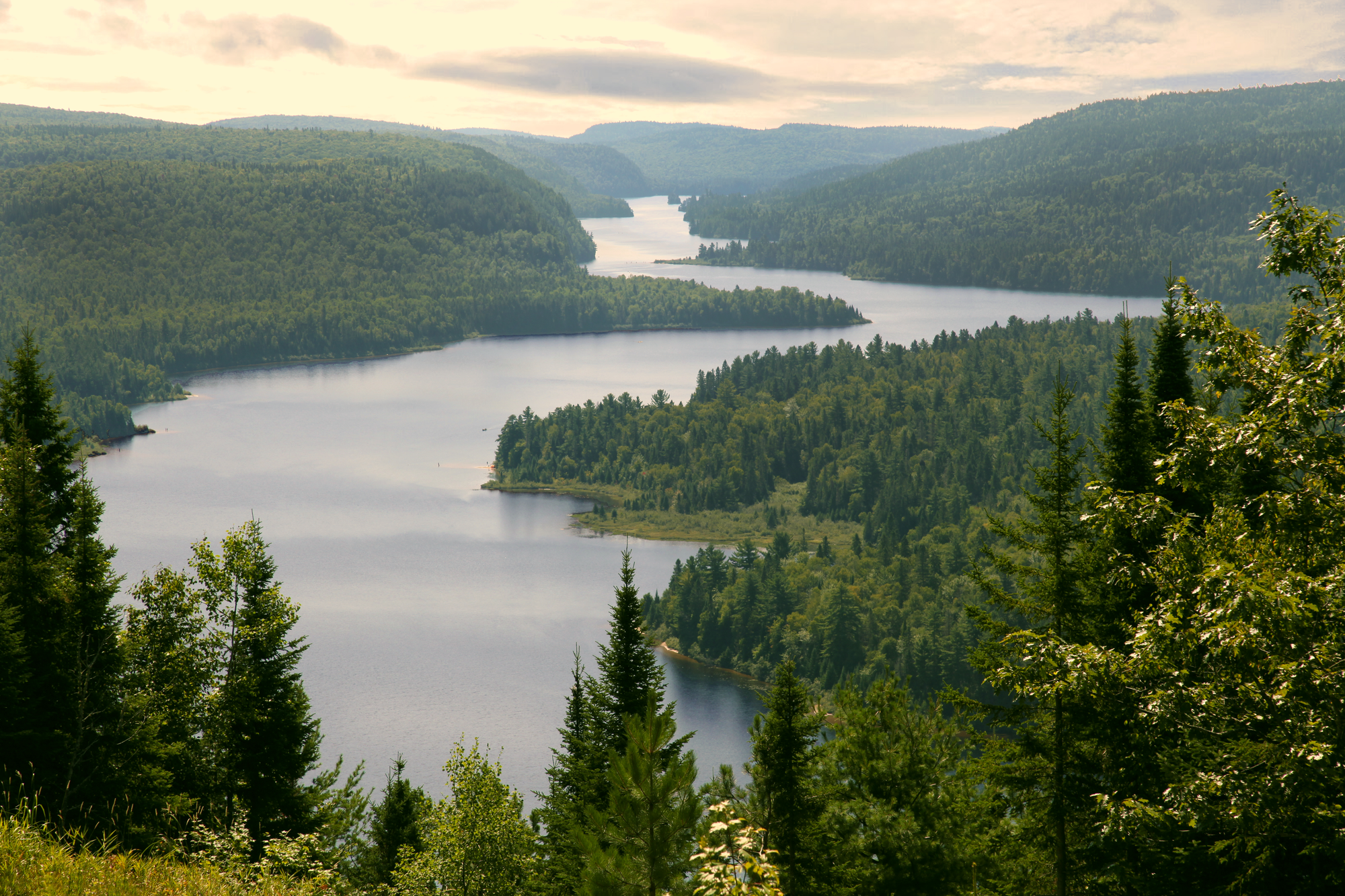
If you’re near Montréal, Québec City, or Trois-Rivières, La Mauricie is a practical choice that still feels like a getaway. Think rolling forest, clear lakes, and viewpoints that don’t demand a full-day hike to earn.
- June to early September: warm-weather lakes and picnic-friendly conditions (often 18–26°C).
- Late September to early October: prime fall colours—arrive early for parking and calmer trails.
One-day highlight route: start with a scenic drive and an early viewpoint before the crowds build, choose one short trail to a lake or lookout, then finish with a lakeside lunch and a second, even shorter walk to keep everyone happy. Shawinigan and Trois-Rivières are convenient bases with groceries, fuel, and backup plans if weather shifts.
Ontario spotlight for classic day trips
Ontario’s national parks are varied enough that you can match them to your exact mood—cliffs and clear water, migration birding, or rugged Lake Superior drama.
Bruce Peninsula National Park is the “postcard water” park: bright Georgian Bay colour, limestone cliffs, and that famous grotto area.
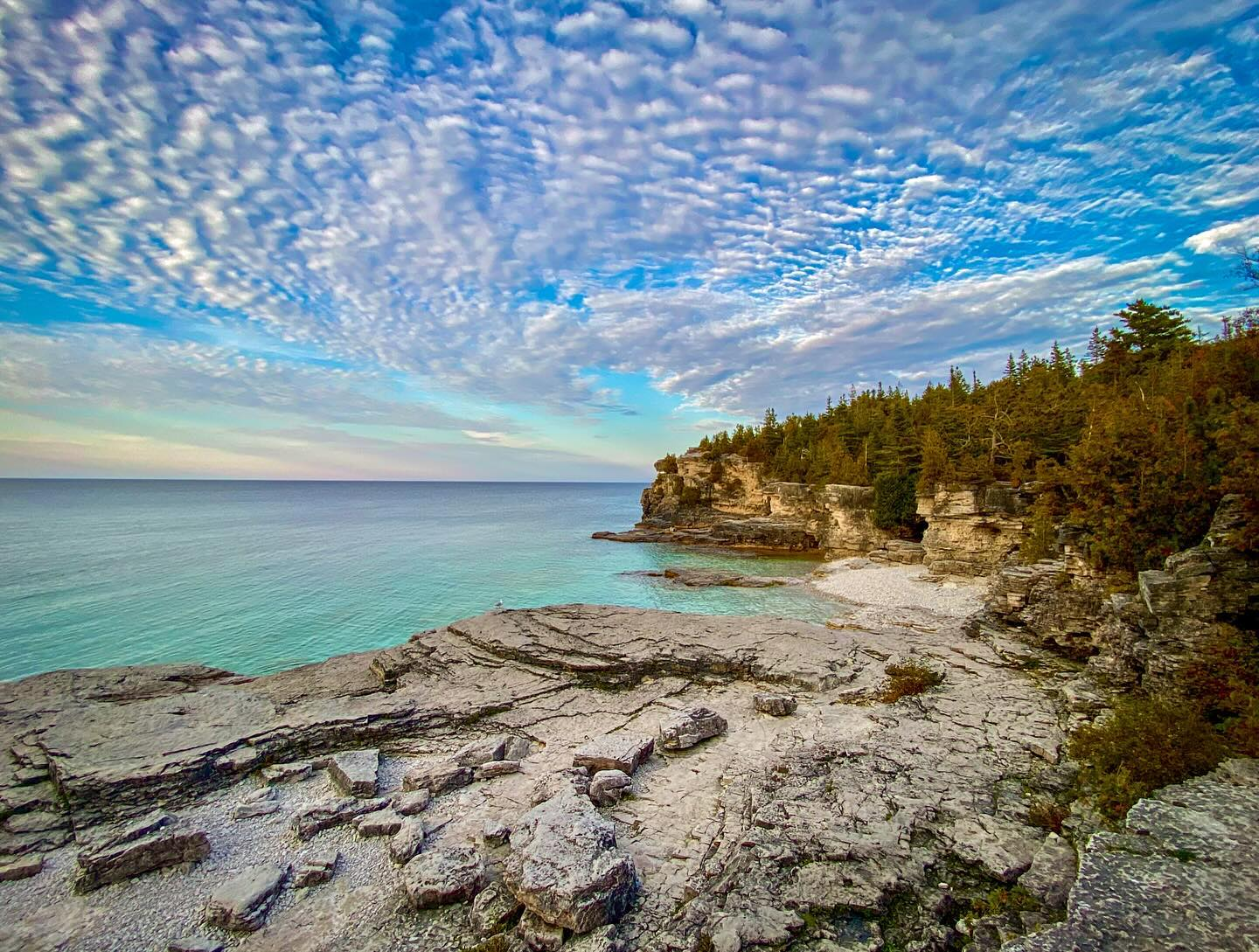
- Best season: late spring to early fall; shoulder season is calmer and cooler (10–18°C can be ideal for hiking).
- Nearby towns: Tobermory for ferry-town energy, Wiarton for a quieter base.
- Day-trip strategy: plan around timed entry and parking in peak season. Show up late morning on a hot Saturday and you may spend more time frustrated than hiking.
- Safety note: the cliffs are not forgiving. Stay back from edges, keep kids within arm’s reach, and wear shoes with grip.
Point Pelee National Park is a completely different vibe: flat, accessible, and famous for being the southernmost point of mainland Canada. It’s a dream for birders, but also an easy beach-and-boardwalk day.
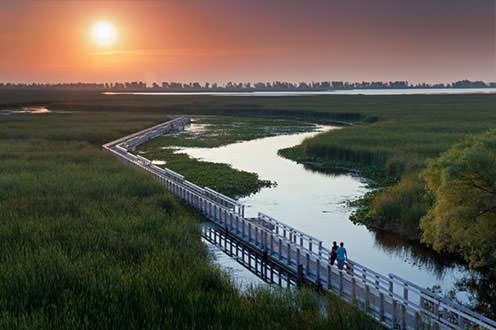
- Best season: spring and fall migration for birds; summer for beach weather (25–32°C can happen in Essex County).
- Nearby towns: Leamington is closest; Windsor works for a longer day trip.
- Day-trip tip: the boardwalks and tip make it one of the best birding spots in the country—bring binoculars and a light wind layer, because lake breezes can cool you down fast.
Pukaskwa National Park is the rugged option for ambitious day-trippers on a Lake Superior road trip—big water, rocky shorelines, and that feeling of being far from everything. Best from July to early September, with Marathon as the practical base and Wawa farther out but workable on a longer loop.
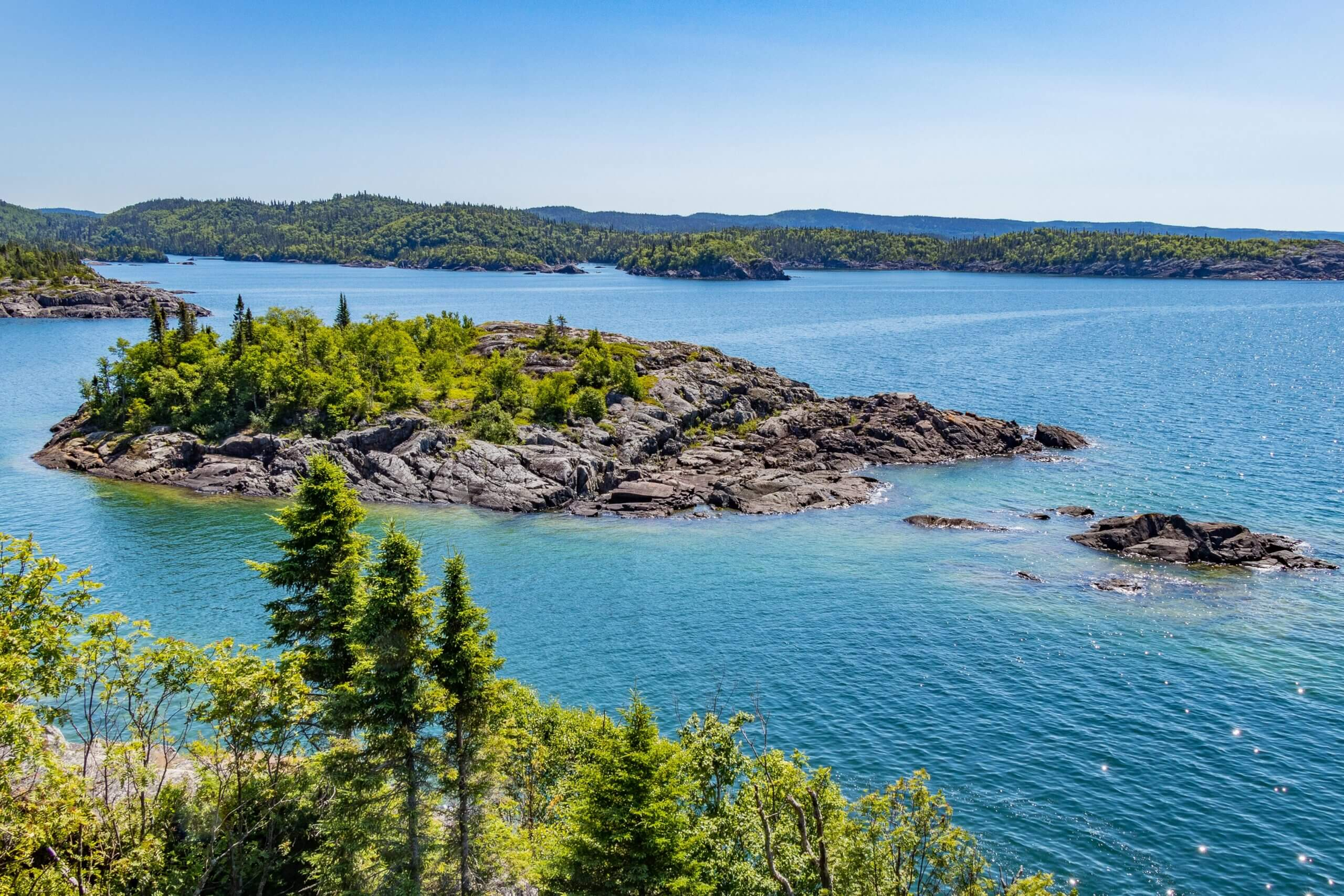
Pros: lots of variety, strong day-trip logistics, easy to tailor to your group. Cons: Bruce Peninsula can be crowded; Point Pelee can feel hot and exposed in midsummer.
Prairie wide-open day trips where bison roam and badlands glow at golden hour
The Prairies don’t always get the first shout in national park conversations, but they should—especially for day trips. The driving is straightforward, the horizons are huge, and the parks here reward you with wildlife and sky more than with big elevation. Bring water, a wind layer, and a willingness to slow down and actually look.
Riding Mountain National Park, Manitoba
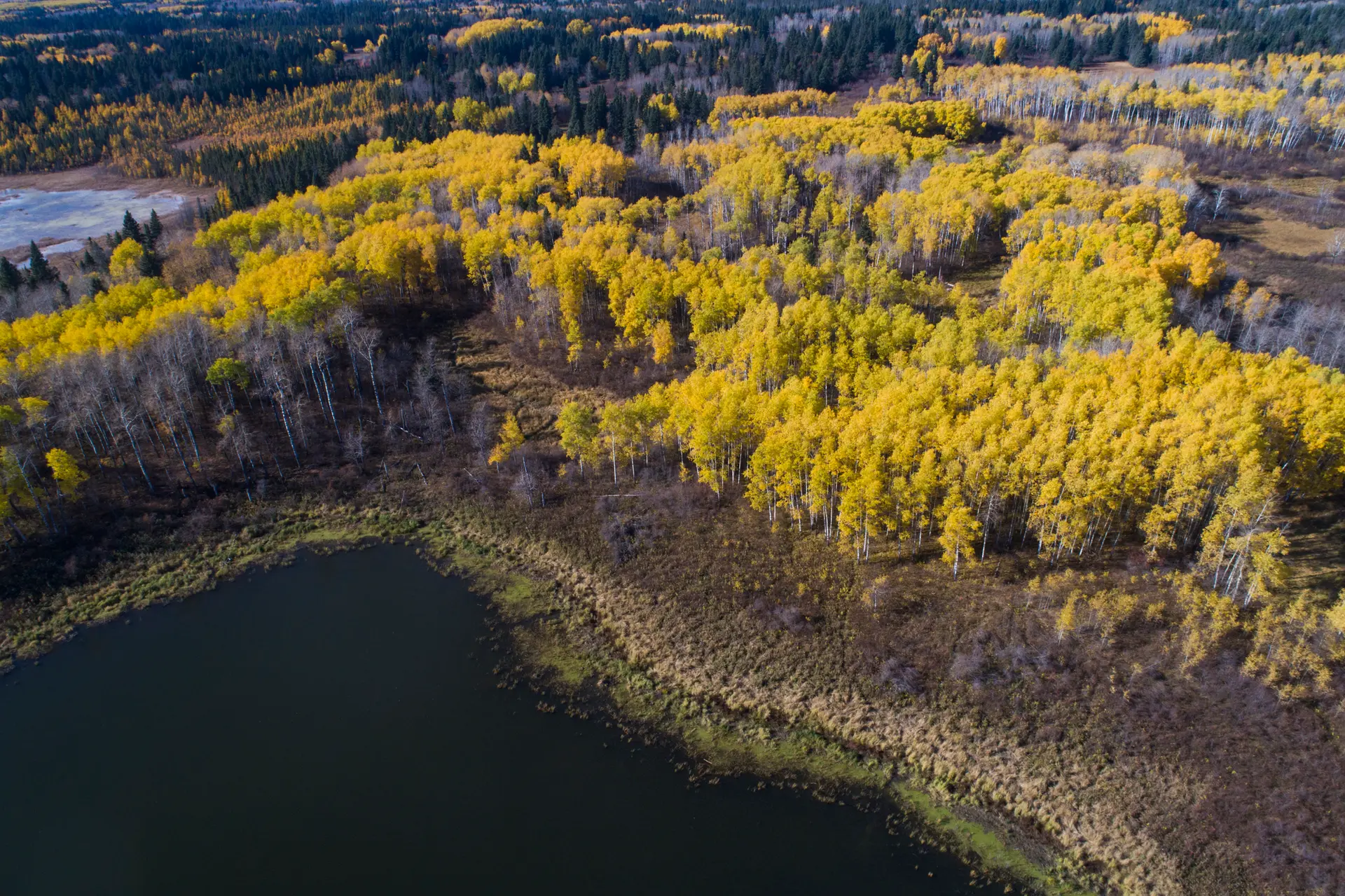
Riding Mountain is a “two worlds in one day” kind of park: prairie farmland around the edges, then suddenly forest, lakes, and cooler air as you climb into the park. Expect easy trails, beach time in summer, and a real chance of seeing wildlife—especially around dawn and dusk.
- Summer: lake days and patios in nearby Wasagaming; expect 20–30°C on warm afternoons.
- Fall: crisp hikes and colour—mornings can dip close to 5–10°C, so a packable insulated layer that stuffs into your bag is the easy fix.
- Winter: if you’re set up for it, the park can be quietly beautiful, but plan for limited services and icy roads.
Nearby towns: Wasagaming right at the park (perfect for food and a post-hike ice cream) and Dauphin as a practical resupply base if you’re looping through the region.
Day-trip greatest hits: a lakeshore stop for an easy win, one short hike through mixed forest, and a wildlife-safe viewpoint around golden hour—stay in your vehicle if animals are near the road.
Grasslands National Park, Saskatchewan
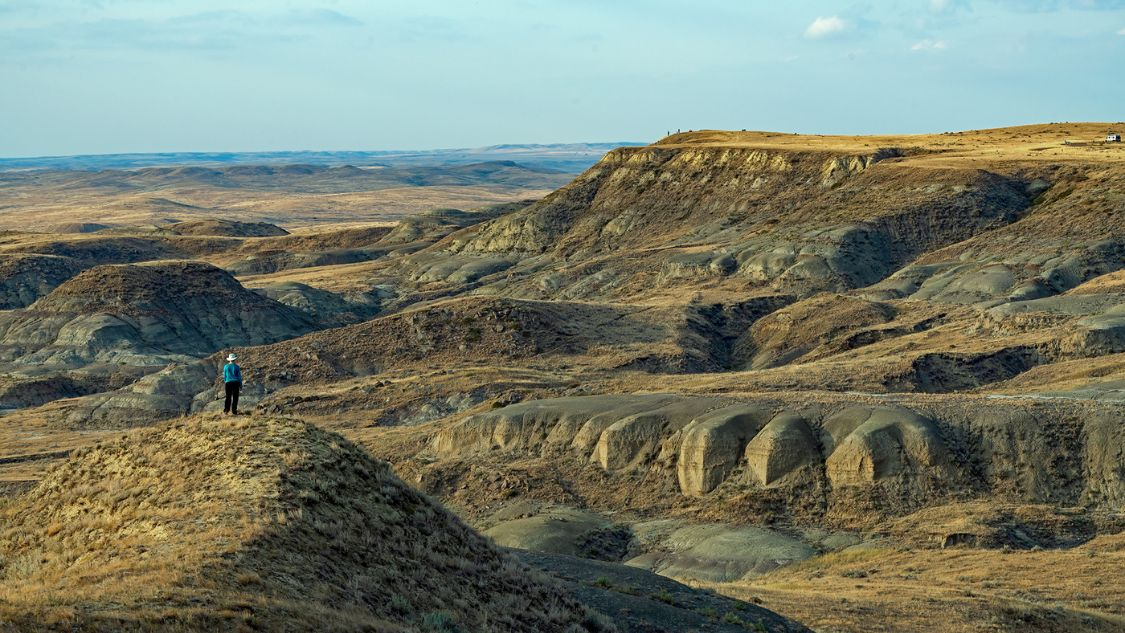
Grasslands is the park that surprises people. It’s not “empty”—it’s detailed. Prairie flowers, textured hills, and a night sky that feels close enough to touch. You get big-sky landscapes, prairie ecology, and some of the best dark-sky conditions you’ll find without heading deep into the territories.
- Late May to September: warm, dry days for walking and scenic drives (18–32°C depending on the week).
- Shoulder season: fewer people and softer light for photography—just be ready for sudden wind and temperature swings.
Nearby town: Val Marie is the key base—small, friendly, and close enough to keep your day relaxed.
A realistic day-trip plan: do a scenic drive with a few short interpretive stops rather than one long hike, add 1–2 short walks to get out into the grassland and hear how quiet it can be, then finish at a sunset viewpoint where the badlands glow at golden hour in a way photos rarely capture.
Comfort planning matters more here than anywhere. Shade can be scarce, so bring 2 L of water per person in an insulated 1 L bottle or two, a wide-brim sun hat, sunscreen, and a windbreaker. Prairie wind can make 25°C feel cool or 10°C feel biting. Keep your distance from wildlife (use binoculars, not your feet), never feed animals, and watch roadsides near dusk.
Pros: unforgettable skies, strong wildlife potential, easy-to-customise stops. Cons: exposure to sun and wind; services are limited—plan fuel and food ahead.
Rockies greatest hits without the overnight stay: Banff, Yoho, and Jasper
A day trip in the Rockies can feel like you’re cheating the system—mountain lakes, waterfalls, and huge valleys in a single loop—until you hit the reality of parking lots and peak-season crowds. The trick is to plan like a local: early starts, flexible stops, and a willingness to swap in a quieter trail when a hotspot is overflowing.
How to do it responsibly: aim to be rolling by 06:00–07:00 in summer, use shuttles where offered, and follow parking restrictions (if a lot is full, don’t invent a spot on fragile vegetation). Shoulder seasons—late May/June and September—often give you the best balance of access and breathing room.
Banff National Park
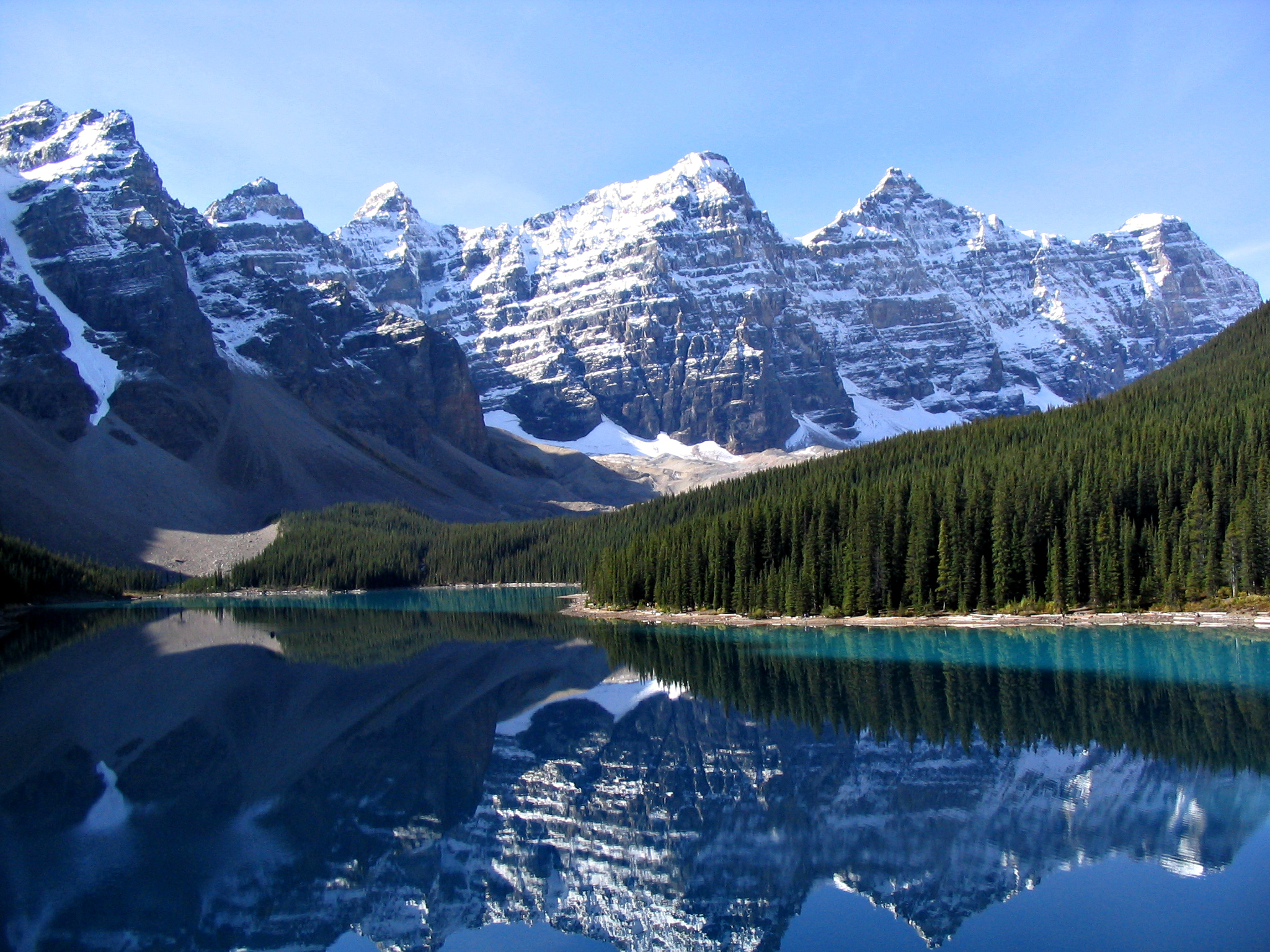
Banff’s icons are iconic for a reason, but you’ll enjoy them more with a simple plan. Choose one big-view stop (a famous lake or viewpoint) and pair it with one short, less-hyped walk, then add a scenic drive segment for maximum payoff with minimal effort. Expect summer daytime temperatures around 18–28°C, but pack layers—mountain weather flips fast. Banff and Canmore are easy bases with food, gear, and backup options.
Yoho National Park
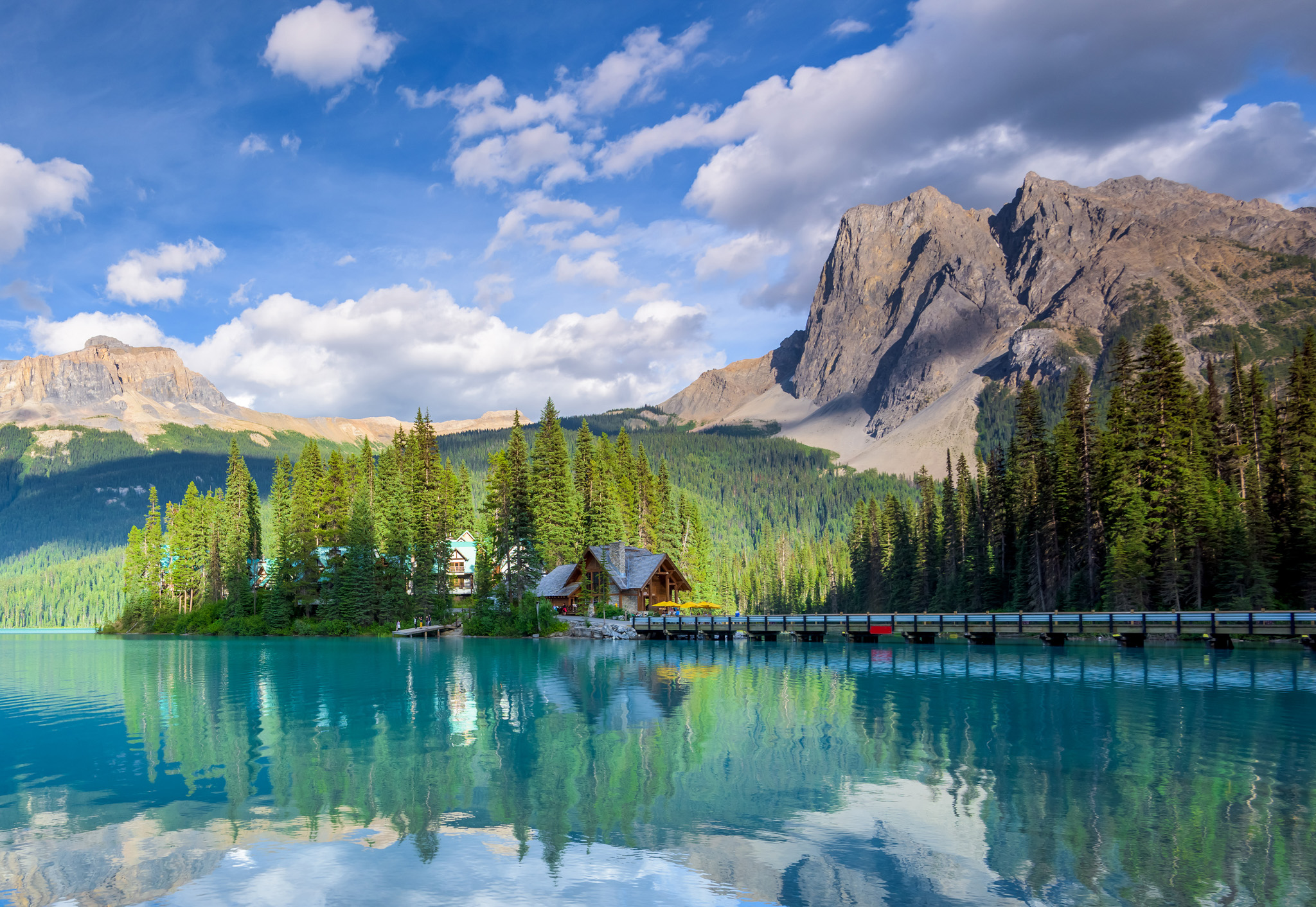
Yoho is the “waterfalls and quick stops” park—perfect when you want dramatic scenery without a huge time commitment. Build your day around a waterfall viewpoint and a natural-bridge-style stop, and add an easy trail if you have time. Field is tiny but perfectly placed; many visitors also base in the Lake Louise area.
Jasper National Park
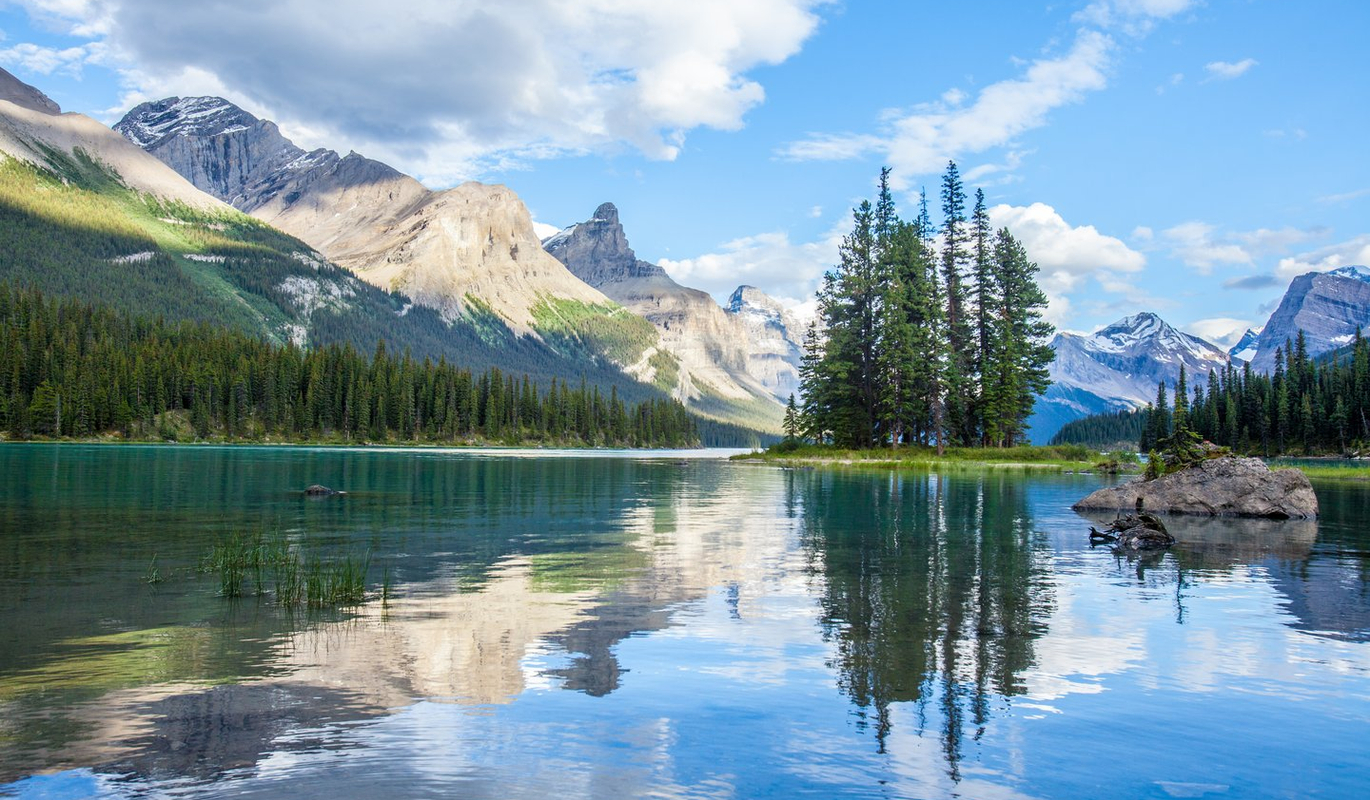
Jasper feels bigger and wilder. Valleys open up, and wildlife sightings can happen when you least expect them. Focus on one valley drive plus one short hike, and plan for longer distances between stops than Banff—fuel up before you commit. Summer highs often sit around 18–26°C, with cooler evenings. Jasper townsite is your hub for services and last-minute plan changes.
Safety and etiquette that actually matter:
- Carry bear spray where recommended and know how to use it. Keep it accessible, not buried in a pack—and note that real bear spray is sold at Canadian outdoor retailers and Parks Canada visitor centres, not shipped online.
- Respect trail closures. If Parks Canada closes an area for wildlife or hazards, it’s not a suggestion.
- Stay on trail—alpine plants can take decades to recover from one shortcut.
- Give wildlife space. If you’re close enough for a perfect phone photo, you’re too close.
- Carry the basics for sudden weather and minor scrapes: a small first-aid kit weighs almost nothing and earns its place the one time you need it.
Pros: unmatched scenery, lots of short-access viewpoints, easy to tailor to a single day. Cons: crowding and parking stress in summer; weather and closures can change plans quickly.
Pacific rainforest and surf-town energy in Pacific Rim National Park Reserve
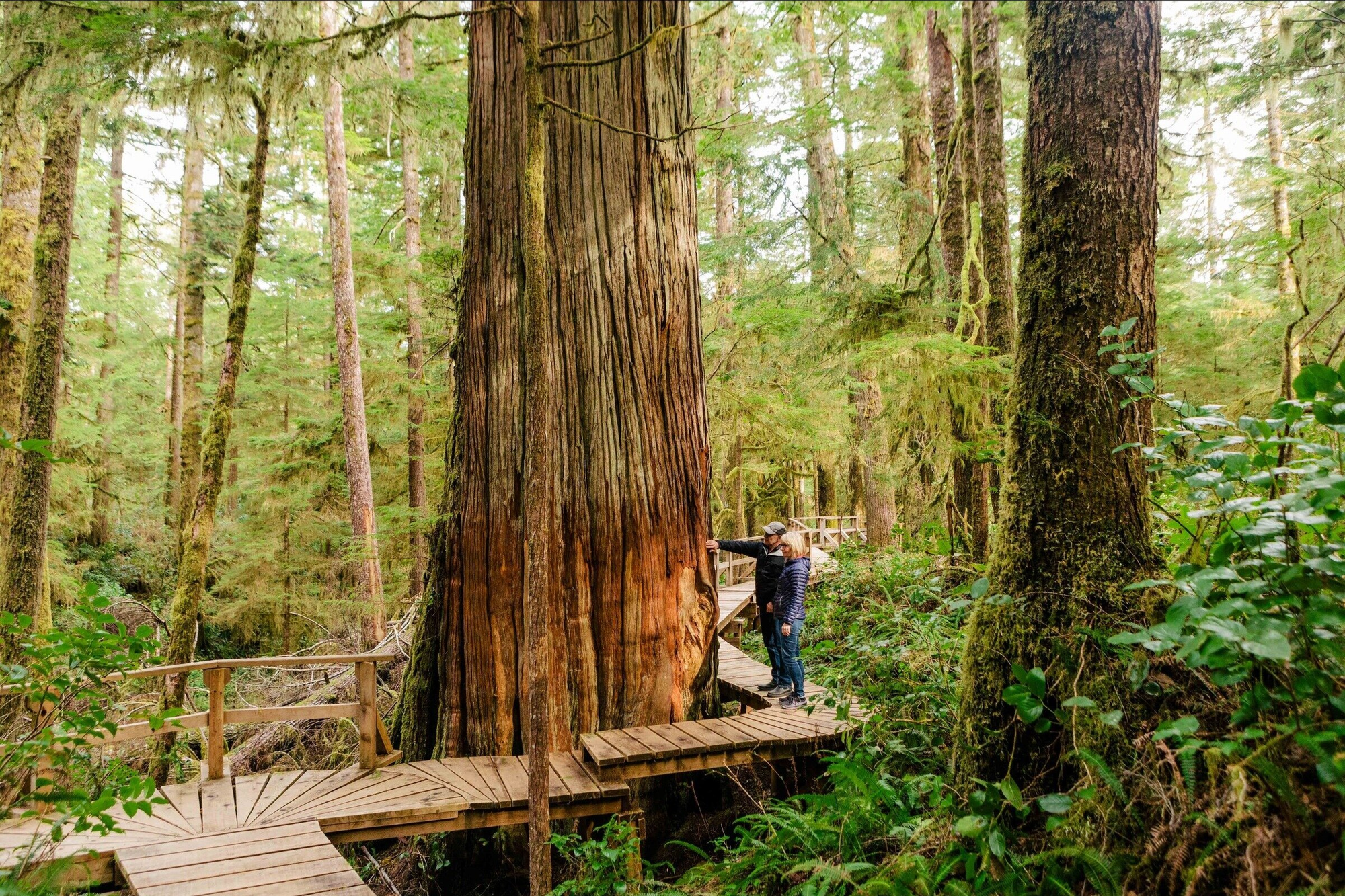
Pacific Rim is where you go when you want the full West Coast sensory package: cedar-scented rainforest, mist in the air, and beaches that stretch long enough for a proper “walk it out” day. Even if you never touch a surfboard, the surf-town energy in nearby communities makes the whole trip feel lively and relaxed at the same time.
Why it’s a must-see: this national park reserve delivers temperate rainforest and open-ocean coastline in a way that’s immediately accessible. You can do a short boardwalk loop, a long beach wander, and a viewpoint stop—all in one day, with plenty of options for families and casual walkers.
- Summer: the classic beach window, with daytime temperatures often around 16–22°C. Not tropical, but comfortable with a light jacket.
- Spring and fall: excellent for storm watching and moody rainforest walks; fewer crowds and dramatic skies.
- Winter: raw, beautiful, and wet—ideal if you like quiet trails and don’t mind rain gear.
A flexible day-trip plan: start with a rainforest boardwalk loop (maximum atmosphere, minimal distance—great for kids and mixed-mobility groups), add a beach walk where you choose your own turnaround point, then finish with one or two viewpoints for photos and a snack break. Carrying it all is easier with a lightweight daypack that holds water, snacks, and a spare layer without weighing you down.
Nearby towns: Tofino for surf shops, great food, and that “end of the road” feeling, or Ucluelet for a slightly quieter, more laid-back pace.
Coastal safety you should take seriously:
- Check tides before committing to long beach walks. High tide can pinch off sections and force awkward turnarounds.
- Watch for sneaker waves—unexpected surges that run higher than the rest. Keep a wide margin from the waterline.
- Give driftwood logs respect. They’re heavy, they shift, and they can move with waves.
- Pack proper rain gear. A breathable shell and quick-dry layers beat a cotton hoodie every time in coastal damp.
Pros: huge variety in a single day, very accessible trails, unforgettable rainforest atmosphere. Cons: rain is common; coastal hazards are real; summer accommodation can be pricey if you decide to stay.
How to choose the right national park for your day trip
A good day trip doesn’t start with a map—it starts with being honest about your group. Are you travelling with kids who melt down at kilometre 4? A parent who wants frequent washrooms? A friend chasing sunrise photos? Once you know your style, picking the right park and season gets much easier. For day-trip planning across Parks Canada sites, the “best” park is the one that matches your season, driving time, and comfort with changeable weather.
Start with your day-trip style
- Families with strollers and short attention spans: look for boardwalks, short loops, and beaches with easy access. You’ll want frequent “wins” and minimal elevation.
- Casual walkers and picnic planners: choose parks with scenic drives, lakeshores, and multiple short stops rather than one signature hike.
- Photographers chasing sunrise/sunset: prioritise viewpoints close to parking and plan around golden hour. Sunrise can be 5–10°C colder than midday.
- Wildlife watchers and birders: shoulder seasons are often best. Dawn and dusk are prime, but only if you’re comfortable driving back in low light.
- “I want the wow view fast” travellers: pick parks where the signature scenery is close to the road, then add one short trail to make it feel earned.
Key features to look for before you commit
- Short signature trails (1–5 km) and viewpoints near parking
- Visitor centre services and reliable washrooms
- Seasonal access realities: some roads, trails, and facilities are limited outside summer
- Crowd management: timed entry, parking caps, and shuttle systems can make or break your day
- Nearby town distance: if the closest food and fuel is 80 km away, pack like you mean it
Best-season decision tips
Shoulder seasons (late spring and early fall) often hit the sweet spot: fewer crowds, comfortable temperatures, and better wildlife odds. Spring and fall migration matters for bird-focused parks like Point Pelee. Winter day trips can be gorgeous, but keep expectations realistic—shorter daylight, icy trails, and fewer services. Each region also has its own climate to respect: Atlantic fog and rain, prairie wind, alpine snow lingering into July, and Pacific downpours can all shape what’s realistic in a single day.
A practical planning checklist
- Check Parks Canada updates the morning you go: closures, wildlife advisories, wildfire smoke, and road conditions.
- For coastal parks, check tide tables and plan your beach time around them.
- Pack the basics: layers, rain shell, snacks, 1–2 L of water per person, bug protection in warm months, and a first-aid kit.
- Follow Leave No Trace: stay on trail, pack out trash, and keep wildlife wild.
Frequently Asked Questions
How many national parks does Canada have?
Canada has 37 national parks and 11 national park reserves, managed by Parks Canada and spread across every province and territory—from Pacific Rim on Vancouver Island to Torngat Mountains in northern Labrador. “National park reserves” are managed as national parks while Indigenous land claims are being settled, so for a visitor they function the same way. Together they protect a representative slice of nearly every landscape in the country: rainforest, mountains, prairie, boreal forest, tundra, and coastline.
What is the most beautiful national park in Canada?
Banff is the most famous for a reason—turquoise lakes and big Rockies drama—but “most beautiful” depends on the landscape you love. For mountain scenery, Banff, Jasper, and Yoho are hard to beat; for coastline, Pacific Rim’s rainforest-meets-surf and Gros Morne’s fjords are stunning; for something quieter, Grasslands delivers some of the darkest night skies in the country and Kejimkujik pairs still-water paddling with a living Mi’kmaq cultural landscape. If you want the postcard shot with the least effort, Banff and Bruce Peninsula give you the biggest visual payoff closest to the parking lot.
Which national parks in Canada are best for a first coast-to-coast set of day trips?
Pick one signature day trip per region: Pacific Rim on Vancouver Island for rainforest boardwalks and beaches near Tofino and Ucluelet; Banff for a marquee lake or canyon near Banff and Canmore; Riding Mountain for short lakeside hikes near Wasagaming; Bruce Peninsula for the Grotto and Georgian Bay views near Tobermory; La Mauricie for lakes and lookouts near Shawinigan; and Fundy for tides and waterfalls near Alma. Each offers well-marked trails and easy half-day options, so you can build a cross-country “greatest hits” list one free day at a time without ever needing a backcountry permit.
Which national parks are in Ontario, and which are easiest for a day trip?
Ontario’s Parks Canada sites include Bruce Peninsula (near Tobermory), Point Pelee (near Leamington and Windsor), Pukaskwa (near Marathon on Lake Superior), and Thousand Islands (near Gananoque and Brockville). For most day-trippers, Bruce Peninsula and Point Pelee are the easiest: you can fit a short hike, viewpoints, and a swim or birding into a single day. Thousand Islands pairs a quick shoreline walk with a boat cruise from Gananoque, while Pukaskwa is spectacular but remote—plan it as a long day or fold it into a larger Lake Superior road trip rather than a casual afternoon out.
How does the Parks Canada Discovery Pass work, and is it good value?
The Discovery Pass covers entry to national parks and national historic sites across the country for a full year from purchase. If you’re doing multiple day trips—say Bruce Peninsula plus Point Pelee, or Banff plus Jasper—it usually pays off quickly compared with paying single-day admission each visit. You may also see limited-time offers like the Canada Strong Pass, but those come and go and often target specific dates or age groups, so they’re not something to count on. For families and frequent visitors, the annual Discovery Pass is the reliable baseline. Buy it online ahead of time or at most staffed park gates and visitor centres.
Which Alberta parks are best for day trips, and what season is ideal?
Banff and Jasper are the classic Alberta picks, with easy access from Banff, Canmore, and Jasper townsite. From spring to fall, think lakeshore walks, waterfalls, and short valley hikes; in winter, focus on packed trails and viewpoints and be avalanche-aware. Waterton Lakes is excellent for a quieter day trip in late spring and early fall, and Elk Island near Edmonton is perfect year-round for bison viewing and quick hikes. Summer is busiest by far—September often brings fewer crowds, crisp hiking weather, and easier parking at the popular trailheads that fill up before breakfast in July and August.
What gear and safety basics should I plan for across different Canadian climates?
Pack a small “all-Canada” kit: a waterproof jacket, a warm layer, sun protection, insect repellent, offline maps, and a basic first-aid kit. On the Atlantic coast and Vancouver Island, expect damp conditions, so waterproof footwear helps. In the Rockies, add bear spray (bought locally) and traction aids in shoulder seasons. In Ontario’s summer parks, heat and ticks are the main issues—bring extra water and do tick checks after grassy hikes. The same core kit covers tides at Fundy, wind at Grasslands, and rain at Pacific Rim, so you’re not repacking from scratch for every region on a coast-to-coast route.
Final Thoughts
Canada’s best Parks Canada day trips aren’t about ticking off a list—they’re about matching the right park to your time, season, and travel style, whether you’re chasing salt air on the Atlantic, boreal calm in Central Canada, or big-mountain drama out West. The big takeaway from this coast-to-coast route is how varied a “quick” outing can be: tidal walks and ocean viewpoints, canoe routes and dark-sky evenings, easy boardwalks, short summit hikes, and historic places that turn a simple stroll into a story.
A little planning makes these trips smoother. Check trail and beach conditions the morning you go, book timed entry or shuttles where required, and build your day around the best light—sunrise for quiet trails, late afternoon for wildlife. Dress for the region: coastal fog and wind can feel chilly even in summer, while prairie heat and Rocky Mountain storms demand layers and water. Pack the basics, keep a flexible backup walk in mind if smoke, rain, or high winds roll in, and choose a nearby town as your base for fuel, food, and a warm-up stop.
Then aim to leave the park better than you found it—stay on trails, give wildlife space, and carry out everything you bring. Pick one great loop, take your time, and let the landscape do the talking. That’s the day-trip version of Canada at its best.