

Based on coverage from AOL News, BBC News, and The Guardian.
A Canadian traveller isolating on Vancouver Island after leaving the MV Hondius cruise ship has presumptively tested positive for hantavirus, B.C. health officials say. The person developed mild symptoms, including fever and headache, about two days before being taken to hospital in Victoria for testing and monitoring.
Provincial Health Officer Dr. Bonnie Henry said the result is “presumptive”, meaning confirmation is still pending from the National Microbiology Laboratory in Winnipeg. The patient is in hospital in isolation and considered stable.
Presumptive hantavirus case in Victoria, B.C.
The BC Centre for Disease Control recorded the presumptive positive test on May 15, and Dr. Henry discussed it publicly in a May 16 media briefing. She said health teams had planned for this possibility while arranging Canada’s response for travellers returning from the ship.
Henry has not identified the patient publicly. Earlier in the week, she said four Canadians connected to the cruise ship outbreak were isolating in the Island Health region after returning to Victoria.
Who is isolating on Vancouver Island
Those four include two people from British Columbia and a couple from the Yukon, with ages ranging from their 50s to 70s, according to Henry. One report states the presumptive positive case is from the Yukon.
Officials say none of the four had contact with the public during their transfer from Victoria International Airport, and health-care workers used personal protective equipment.
One account says the symptomatic traveller and their partner were moved to hospital for assessment, with the partner testing negative so far but staying in hospital for monitoring. Out of caution, a third person who had been isolating in the same lodging was also taken to hospital for monitoring, while a fourth continues isolating at home under daily observation.
Separately, another report says there were six Canadians on the ship in total, with two self-isolating at home in Ontario.
MV Hondius outbreak and global case counts
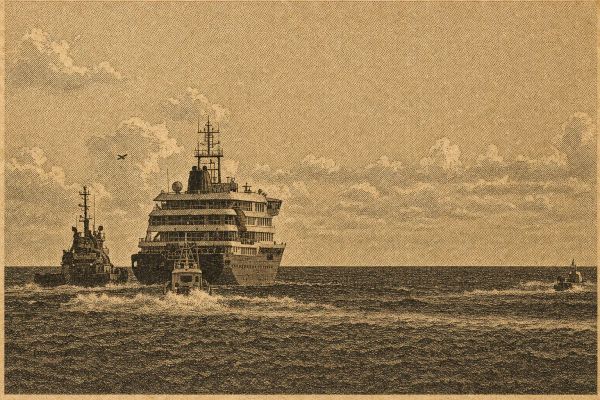
The presumptive Canadian case is tied to an outbreak of the Andes strain of hantavirus linked to the MV Hondius expedition cruise ship, which sailed from Argentina on April 1 and later docked in Tenerife in Spain’s Canary Islands, allowing passengers and crew to leave and isolate.
Case counts differ slightly depending on the source: - The World Health Organization says 10 total cases linked to the outbreak have been reported globally, including three deaths. WHO says eight cases have been lab-confirmed and two are probable. It also says the total was revised down from 11 to 10 after an American passenger’s previously inconclusive test came back negative. - Other reporting puts the total at 11 infections, all among cruise passengers, with three deaths, and says two of the deaths were confirmed to have involved the virus.
Andes hantavirus symptoms and transmission risk
Hantaviruses are typically carried by rodents, but the Andes strain can spread between people, which is why the shipboard cluster has drawn close attention. Dr. Henry stressed that hantavirus is different from respiratory viruses like COVID-19 and influenza, and she said B.C. does not consider it to have pandemic potential.
Symptoms described by officials include fever, extreme fatigue, muscle aches, stomach pain, vomiting, diarrhoea, and shortness of breath. In this B.C. case, symptoms have been described as mild so far.
Quarantine timelines for Canadian travellers
WHO has recommended 42 days of isolation for people connected to the outbreak. In B.C., the returning travellers were initially required to isolate for at least 21 days, though Henry said that timeline could be adjusted.
For most Canadians, the practical takeaway is that public health officials are treating this as a controlled, low-risk situation: close monitoring of exposed travellers, isolation protocols, and confirmatory testing now underway in Winnipeg.
Support Independent Canadian News Analysis
The Canada Report is supported by readers like you. If this article helped you understand what’s happening, you can support our work with a one-time tip.
Support The Canada Report