
Heads up: some of the links in this post are affiliate links. That means if you click and purchase, we may get a commission. It’s how we keep this site running without cluttering it with ads.
A February cold snap in Winnipeg hits -28°C, and suddenly that “quick” trip to the gym turns into a 20-minute windshield scrape, a slushy parking lot shuffle, and a coat-check line that kills your motivation. Ottawa isn’t much kinder when the sidewalks are rutted with salt and the wind sneaks under your scarf. So you start eyeing the spare bedroom, that unfinished basement corner, or one lonely garage bay and think: I could train at home—if I can do it without blowing a paycheque or rattling the neighbours’ walls.
This guide walks you through building a practical home gym in layers: first the space plan (including real footprints like a 4' x 6' micro setup), then the equipment that actually earns its keep, and finally the costs—at three realistic tiers, in Canadian dollars. If you live in a condo or apartment where noise is the binding constraint, our quiet apartment workout equipment picks cover magnetic ellipticals and fold-away gear that won’t upset the neighbours.
Quick Overview: The Gear That Earns Its Keep
Before the space planning and budget maths, here are the five pieces that cover a full-body routine in almost any Canadian home. Everything below is available on Amazon.ca, and prices were checked in July 2026.
| Product | Best For | Why It Earns Its Keep | Price |
|---|---|---|---|
| Lifepro Adjustable Dumbbells | The single best first purchase | Slider adjustment on the rack replaces roughly 12 fixed dumbbells — the whole point of a small-space gym. | $189.99 CAD |
| Amazon Basics Dumbbell Set | Under-$300 starter tier | 40 lb of plates and two handles in a carry case. Slower to change than a slider, but a third of the price. | $68.00 CAD |
| PASYOU Adjustable Bench | Folding away between sessions | 8 back positions and a 500 lb rating, then folds flat against a wall. Stability matters more than fancy angles. | $107.99 CAD |
| Polygon Tube Band Set | Pulls, warm-ups, and quiet training | Stacks to 150 lb with a door anchor and ankle straps. Turns any solid door into a cable machine for under $30. | $29.99 CAD |
| Gaiam Dry-Grip Yoga Mat | Floor work on cold concrete | 5 mm of cushioning with a sweat-wicking top coat that grips better as you warm up, unlike foam. | $79.28 CAD |
Pick the right corner of your home and plan for real Canadian conditions
Before you buy anything heavy, pick the spot. In Canada, the “best” location isn’t just about square footage—it’s about ceiling height, moisture, and whether your workout will echo through a shared wall at 9 p.m.
A quick location checklist (walk through it with a tape measure):
- Ceiling height: If you’re pressing overhead or want a pull-up bar, aim for 2.1–2.4 m. Many older basements dip under 2.0 m once you factor in ducts and joists.
- Ventilation: A stuffy room turns gross fast. Even a small fan and a cracked window matter, especially in humid Southern Ontario summers.
- Temperature swings: Garages in Edmonton or Ottawa can hit -25°C in a cold snap; in July they can feel like 35°C. That affects comfort, grip, and rust.
- Noise: Concrete basements are forgiving; condos and semis aren’t. Plan for quieter training and better floor protection if you share walls/floors.
- Power: You’ll want outlets for a fan, a small dehumidifier, or a cardio piece—without running extension cords across a walkway.
Basement vs. garage vs. spare room, Canadian-style:
- Basement: Usually the most stable year-round. Great for consistency and neighbour-friendliness. Watch for humidity, low joists, and older concrete that isn’t level.
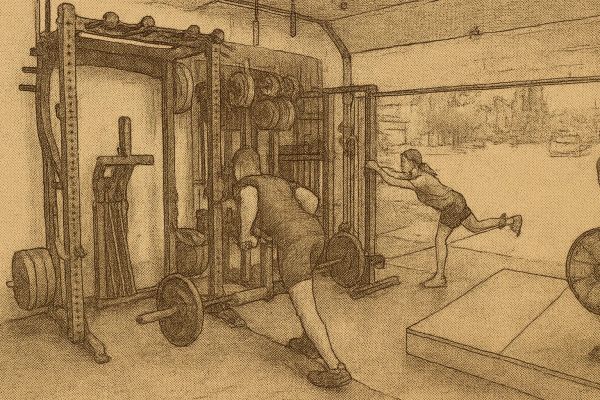
- Garage: Space and mess-friendly, and you won’t care about chalk dust. But condensation can rust equipment, and you may be negotiating around a vehicle, winter tires, and a snowblower.
- Spare room/condo den: Comfortable and convenient, but you’ll need to manage vibration and keep the footprint tight.
Small-space layout templates that actually work:
- 1.2 m x 1.8 m (4' x 6') micro gym: adjustable dumbbells, foldable bench, mat, compact storage.
- 1.8 m x 2.4 m (6' x 8') starter strength corner: squat stands or a compact rack, bar, plates, and a bench—tight but doable.
- 2.4 m x 3.0 m (8' x 10') balanced gym: rack + a small cardio option + shelving/plate tree.
“Barbell math” for clearance: a standard bar is about 2.2 m long. Add space on both sides to load plates comfortably, and keep at least 60–90 cm clear behind the bench so you’re not shuffling sideways into a wall. Also check door swings and make sure there’s a safe, uncluttered path to exit—especially in basements with tight stair landings.
Finally, if you rent or live in a condo, read the rules before you drill anything into studs. Many buildings allow equipment but restrict wall mounting, and noise bylaws can get very real, very fast.
Build in layers so you’re buying movements, not machines
The cheapest way to build a home gym that you’ll use is to buy for the basic movement patterns first—squat, hinge, push, pull, carry—then add comfort and variety once the habit sticks. Machines can be great, but they’re often the fastest way to blow a budget before you’ve even figured out what you enjoy.
Start with a “layer one” foundation you can train 3–4 days a week:
- A way to load a push: adjustable dumbbells or, on a tighter budget, a plate-and-handle set
- A stable bench: a flat-to-incline foldable bench is fine to start; you can upgrade later
- A pull option: a doorway pull-up bar, suspension straps, or tube bands anchored to a door
- A hinge: dumbbells/kettlebell for Romanian deadlifts; later, a barbell
- A carry: farmer carries with dumbbells are underrated and apartment-friendly
Then match priorities to your goal.
If strength is the focus, your next layer usually looks like:
- Squat stands or a rack (plus safeties—non-negotiable if you train alone)
- Barbell + plates (start lighter than your ego wants; your joints will thank you)
- Basic collars and a few resistance bands for warm-ups and assistance work
For general fitness (and especially small spaces), keep it simple:
- One kettlebell, a set of resistance bands, a jump rope (if your floors/ceilings allow), and a compact cardio option like a foldable bike or a small stepper. In a Halifax condo, low-impact beats angry neighbours.
For hypertrophy (muscle-building), you’ll eventually want:
- More dumbbell increments (big jumps get frustrating)
- An adjustable bench with incline settings
- A cable-style option, which can be as simple as a pulley attachment if your setup supports it safely
When an all-in-one unit makes sense: it’s a solid choice for households where multiple people want guided movements, or when space is limited and you’d rather have one tidy station than plates everywhere. The trade-off is you can hit resistance limits, and upgrades can be awkward if attachments don’t match your frame. Reading reviews from other Canadians helps here—especially about smoothness, cable wear, and how the thing holds up in a colder garage.
Where people actually shop: big-box stores and warehouse clubs (yes, plenty of folks start with a Costco bundle), plus used marketplaces like Facebook Marketplace and Kijiji. Used can be a gift if you know what to inspect—more on that in the cost section.
Budget traps to skip early:
- Huge cardio machines before you’ve built the routine
- Random “universal” attachments that don’t fit your rack/cables
- Novelty gadgets that don’t help you add reps or load over time
Realistic price tags in Canada and what each budget tier can actually do
Costs add up fast once you factor in tax, shipping, and the sheer weight of steel. A smart budget plan keeps you training now while leaving room to upgrade later—without ending up with a pile of mismatched gear you dread looking at.
Here are realistic tiers (in CAD) and what they can cover:
Under $300: a true starter setup
You’re aiming for consistency, not perfection. Think: a mat, a few bands, a jump rope (if noise allows), and either a used pair of dumbbells or a simple adjustable set. You can build full-body workouts around goblet squats, lunges, presses, rows, and carries. If you’re in a small Vancouver apartment, this tier can still be a complete training week.
$300–$1,000: practical and flexible
This is where the gym starts to feel “real”: adjustable dumbbells with smaller increments, a sturdier bench, maybe a doorway pull-up bar or suspension trainer, and basic storage so your space doesn’t look like a garage sale. If you find a good used deal, you might squeeze in a compact cardio piece.
$1,000–$2,500: serious strength setup
Now you’re talking rack or squat stands with safeties, a bar, plates, and flooring that can handle drops and protect concrete. This is the sweet spot for many Canadian basements—especially if you train through winter and want something that feels like a proper gym session.
$2,500+: “forever gym” upgrades
More plates, better storage, specialty bars, a cable system, or a higher-end cardio machine. This is also where nicer finishing details show up: quieter bumpers, better knurling, smoother pulleys.
Cost categories to mix-and-match:
- Weights: dumbbells or plates (often the biggest line item)
- Bench: stability matters more than fancy angles at first
- Rack/stands + safeties
- Bar + collars
- Flooring and underlayment
- Accessories: bands, a timer, small mobility tools
- Storage: plate tree, dumbbell stand, wall hooks (if allowed)
Canada-specific cost factors: freight on heavy items can sting, and rural delivery surcharges are common outside major centres. Taxes vary too—13% HST in Ontario hits differently than 5% GST in Alberta. Buying used often saves 30–60%, especially on plates and racks, but “used” isn’t worth it when cables are frayed, benches wobble, or anything has structural cracks.
Warehouse-club bundles can look like a steal, but they often skip the unsexy essentials: flooring, storage, extra plates, and sometimes even decent collars. The upside is generous return policies—handy if something arrives damaged.
Flooring, noise control, and safety upgrades that save your house and your friendships
A budget gym doesn’t mean cutting corners on the stuff that keeps your floors intact and your neighbours calm. In a Calgary basement suite or a Toronto semi, the difference between “fine” and “a problem” is usually what’s under your feet.
Flooring basics for Canadian homes:
- Foam tiles: fine for yoga and light bodyweight work, but they compress under heavy loads and can get chewed up by dumbbells. For floor work specifically, a proper dry-grip mat beats foam — it grips better as you sweat rather than worse.
- Rubber tiles (interlocking): interlocking rubber-top tiles are a good all-rounder for many spare rooms; easier to carry downstairs than giant rolls.
- Rubber rolls: fewer seams and a cleaner look, but heavy and awkward in tight stairwells.
- Stall mats (thick rubber): popular for basements and garages because they’re tough and relatively affordable. They can smell at first—air them out in a garage or on a balcony for a few days if you can.
Thickness guidance (rule of thumb):
- 6–8 mm: light dumbbells, bands, general fitness
- 10–12 mm: heavier dumbbells, moderate lifting, more noise control
- 15–20 mm or a platform: barbells, deadlifts, and anything you might drop
On basement concrete, watch for moisture. If your slab gets damp near a floor drain or sump pump, don’t trap water under flooring. Leave a small perimeter gap for airflow, and consider a dehumidifier if summer humidity is turning your space clammy.
Noise and vibration control (especially condos and semis):
- Vibrations travel through structure, not air. That means even “quiet” lifting can thump downstairs.
- Use a rubber layer + dense underlayment approach where possible, and keep heavy work away from shared walls.
- Train “quiet” on purpose: controlled tempo, no dropping, and choose implements that don’t clang. Adjustable dumbbells can be a lot less intrusive than a barbell and iron plates.
Safety essentials worth paying for early:
- Safeties/spotter arms if you’re squatting or benching alone
- Collars that actually hold plates securely
- A bench that doesn’t rock on uneven floors (shim it if your slab is off-level)
- If you use a cable-based unit, inspect cables and pulleys regularly—fraying is a red flag, not a “later” problem
Storage prevents injuries. A simple vertical stand keeps walkways clear so you’re not stepping over plates in socks. In garages, set up a “wet zone” for winter boots and slush—salt and damp are brutal on metal, and you don’t want puddles near your lifting area.
Basement and garage setups that still work in February and don’t rot in July
Canadian seasons are a stress test. A setup that feels perfect in October can be miserable by February or rusty by June if you don’t plan for temperature swings and moisture.
Basement playbook (steady but sometimes damp):
Basements are usually the most comfortable training space when it’s -20°C outside and the wind is howling off the Prairies. But they come with their own quirks.
- Humidity control: If your basement feels muggy in summer, your equipment will feel it too. A dehumidifier helps, and even basic airflow (fan, open door) makes a difference — and in dry winter months, our Canadian winter humidifier picks can swing the other way. Wipe down bars and handles after workouts—sweat + humidity is a rust recipe.
- Low ceilings and joists: If you’re under 2.1 m, overhead presses might need to become seated presses, landmine-style presses, or incline dumbbell work. Pull-ups can shift to rows, bands, or a shorter-mounted option if allowed.
- Uneven slabs: Older homes in Montréal or Winnipeg often have basement floors that slope toward a drain. Shim racks and benches so they don’t wobble. It’s a small fix that makes everything feel safer.
Garage playbook (roomy but harsh):
Garages are great when you want space and don’t want to worry about chalk dust. They can also be brutally uncomfortable when temperatures swing.
- Cold tolerance: In winter, metal is icy, grips feel slippery, and warm-ups need to be longer. Plan on 8–12 minutes of movement before you touch heavy weights—think brisk step-ups, air squats, band pull-aparts, and shoulder circles.
- Condensation and rust: This is the big one. When warmer air hits cold metal, you get moisture. Keep airflow moving, store bars off the ground, and wipe gear down. A light protective oil on bare steel can help.
- Space zoning: If the car still needs to live there, mark out a “gym bay” with tape and choose foldable storage. A rack that’s bolted down isn’t always realistic in a shared garage, but wall-to-wall clutter is how you stop using the space.
Seasonal routine tips that keep you consistent:
- Winter: keep gloves nearby for setup, use a space heater only with safe clearance, and avoid storing wet gear where it can freeze.
- Summer: open the door early, use a fan, and keep a towel and water within reach—garages can turn into ovens fast.
If you want the simplest year-round experience, basements usually win. If you want maximum space and don’t mind a bit of seasonal management, a garage can be brilliant—especially if you build in quick setup and quick cleanup so it doesn’t become a permanent obstacle course.
How to Choose the Best Budget-Friendly Home Gym Setup for Canadian Conditions
Start with three decisions: where it will live (basement, garage, spare room), what training you’ll actually do (strength, cardio, mobility), and what you can spend without “upgrading” yourself into regret. In colder regions like the Prairies and Northern Ontario, a garage can dip to -20°C or lower, which affects steel, rubber, and electronics. Coastal B.C. brings damp air that can speed up rust, while basements in Québec and Atlantic provinces often need moisture control. Measure your usable footprint, ceiling height, and doorways first—then prioritise versatile basics over flashy bundles.
Key Features to Look For
Space Planning: Footprint, Ceiling Height, and Storage
Map a “training rectangle” plus clearance: roughly 2 m x 2 m is workable for dumbbells, a bench, and bodyweight work; barbell lifting is more comfortable around 2.5 m x 2.5 m. Check ceiling height for overhead presses and pull-up options—many basements sit around 2.0–2.2 m, which may push you toward adjustable dumbbells, a low-profile rack, or landmine presses. In small spaces, choose foldable benches, wall-mounted storage, and plates/dumbbells that can be racked vertically to keep walkways clear.
Environment Fit: Basement vs. Garage Durability
Basements are usually temperature-stable but can be humid; add a dehumidifier and aim to keep relative humidity around 40–55% to protect metal and prevent musty odours. Garages face big swings (from 30°C in summer to deep sub-zero in winter), so look for powder-coated steel, sealed bearings, and simple mechanical gear that won’t mind the cold. If you’ll use a treadmill or rower in a garage, confirm its operating range—many electronics dislike freezing temperatures and condensation.
Flooring and Noise Control
Good flooring protects your slab, reduces noise for neighbours or upstairs bedrooms, and makes training feel better. Rubber tiles or stall mats (often 15–20 mm thick) handle dropped dumbbells and deadlifts far better than thin foam. In condos or older homes, add an underlay or build a small lifting platform to cut vibration. If you’re shopping at a warehouse retailer, compare mat odour, edge fit, and weight—heavier mats usually stay flatter and shift less.
Equipment Priorities and Realistic Costs
Build in layers. Tier 1 essentials ($200–$600): adjustable dumbbells or a basic dumbbell set, a sturdy bench, and bands. Tier 2 strength ($700–$1,500): a rack or squat stands, barbell, plates, and safety arms—this is often the best value for long-term progress. Tier 3 cardio ($300–$1,500): jump rope, spin bike, or rower depending on joints and space. Multi-station “all-in-one” units can work, but check cable smoothness, replacement parts, and whether the resistance range matches your goals.
Buying Strategy: Used Market, Bundles, and Parts Support
To stretch a budget, mix new and used: buy safety-critical items (rack, barbell collars, bench) new or from trusted sellers, and source plates and dumbbells second-hand. Inspect for bent bars, cracked welds, and frayed cables. If you’re considering a popular single-stack unit like a Marcy-style machine, confirm local parts availability and measure it carefully—these can be tall, wide, and awkward through basement stairwells. Finally, leave 10–15% of your budget for “unsexy” add-ons: storage, chalk, a fan, and fasteners.
Frequently Asked Questions
Q: How do I build a home gym in a small space (condo, apartment, or spare room)?
Start by measuring a clear rectangle and planning around “fold-away” gear. In as little as 6' x 8', many Canadians do well with adjustable dumbbells, a flat-to-incline bench, a doorframe pull-up bar, and resistance bands. If noise is a concern (common in Toronto/Vancouver condos), add thick rubber tiles and a yoga mat to reduce vibration. Prioritize vertical storage: a wall-mounted rack for bands and a narrow dumbbell stand. If you can only pick one cardio option, a compact folding bike or jump rope is usually the easiest to store.
Q: What’s a realistic budget to set up a home gym in Canada?
For a solid starter setup, budget roughly $300–$800: adjustable dumbbells ($150–$400), a bench ($120–$250), bands ($20–$60), and basic flooring ($50–$200). A more complete strength setup often lands around $1,200–$2,500 with a power rack, barbell, plates, and safety accessories. If you’re watching sales, big-box retailers (including warehouse clubs) can be good for mats, kettlebells, and benches, while used marketplaces in most Canadian cities can stretch your dollars on racks and plates. Don’t forget tax, delivery, and a few essentials like collars and a timer.
Q: Basement vs. garage gym in Canada—what’s better?
Basements are usually more comfortable year-round and protect equipment from humidity swings, which matters in much of Ontario and the Maritimes. Garages can work well, especially in the Prairies where space is often easier to dedicate, but you’ll need to manage cold, dust, and condensation. In a garage, consider a dehumidifier in summer, a small heater in winter, and storing bars/plates off the concrete. Basements may have lower ceilings—check overhead clearance for presses and pull-ups. If you plan to deadlift heavy, basements often win for noise control and stable temperatures.
Q: What equipment should beginners buy first for the best value?
For most beginners, start with versatile basics that cover full-body training: adjustable dumbbells, a sturdy bench, resistance bands, and a pull-up option (bar or rings). Add a kettlebell if you want simple conditioning without a machine. This setup supports squats (goblet), hinges (RDLs), presses, rows, and carries—enough for months of progress. If you’re tempted by an all-in-one cable station, make sure it doesn’t replace fundamentals; they’re great for accessory work but can cost more than a rack-and-bar plan. Many Canadians build gradually: basics first, then a barbell and plates when consistency is proven.
Q: What flooring should I use, and how thick should it be?
For general workouts, 8–10 mm rubber tiles are often enough to protect laminate or concrete and reduce noise. If you’ll drop weights or deadlift regularly, aim for 15–20 mm rubber or build a simple lifting platform (plywood plus rubber) to protect the slab and your plates. In condos, thicker rubber helps with neighbour complaints—pair it with controlled lowering and bumper plates if you lift heavy. In basements that can get damp, avoid foam puzzle mats; rubber is easier to clean and less likely to trap moisture. Leave a small gap at edges for expansion and airflow.
Final Thoughts
A budget-friendly home gym comes down to smart space choices, a short equipment list, and a realistic plan for Canadian conditions. Start by measuring your footprint and deciding where it truly fits: basements stay warmer and quieter, while garages need extra thought for winter cold, humidity, and salt tracked in from the driveway—especially across the Prairies or anywhere with long freeze-thaw cycles. Keep the first purchases simple: adjustable dumbbells or a basic barbell setup, a sturdy bench, a pull-up option, and a few bands will cover most strength training. Add a cardio piece only if you’ll actually use it, or start with skipping, stairs, or outdoor walks.
Expect a starter setup around $300–$800, a well-rounded build at $1,000–$2,500, and a more complete space from $3,000+ depending on weights and machines. Prioritise safe flooring, ventilation, and a clear storage spot so the area stays usable. Buy used when you can, upgrade slowly, and choose gear you’ll touch weekly—consistency is the real “premium” feature.