
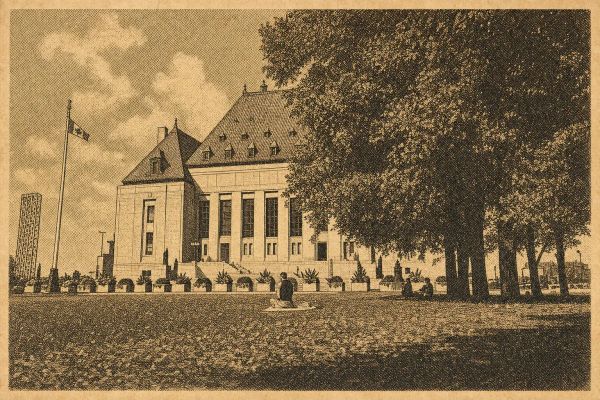
Based on coverage from CBC, Castanet, and Winnipeg Free Press.
Canada’s top court has just changed the civil-law landscape for survivors of abuse in intimate relationships.
The Supreme Court of Canada ruled in a 6-3 decision that “intimate partner violence” can now be its own legal claim in a lawsuit, creating a new tort that allows survivors to seek damages specifically for the harms this kind of abuse causes.
Supreme Court creates new intimate partner violence tort
The Supreme Court’s majority called intimate partner violence “a pernicious social ill deserving of the full attention of the law.” Writing for the majority, Justice Nicholas Kasirer said the law needs to recognize the particular way intimate partner violence harms a person’s dignity, autonomy, and equality within a relationship.
This is a civil-law tool, not a new criminal offence. Torts are used to sue for compensation (money damages) and can also deter harmful behaviour. They are separate from criminal charges, which are about prosecution and punishment by the state.
What counts as intimate partner violence
The ruling defines intimate partner violence broadly, focusing on coercion and control, not only injuries. The court said it is “best understood” as including “all abusive conduct” where one partner coerces and controls the other, depriving them of autonomy.
The court’s definition covers a wide range of behaviour, including:
- Physical violence - Isolation tactics - Manipulation - Humiliation - Surveillance - Economic abuse - Sexual coercion - Intimidation
That list matters because many abusive relationships are marked by patterns of control that may not fit neatly into a single incident, even though the impact can be severe and long-lasting.
Why existing Canadian civil claims fell short
The Supreme Court said survivors have had civil options already, including claims like assault, battery, and intentional infliction of emotional distress. But the majority concluded those torts do not properly address what makes intimate partner violence distinct.
Kasirer wrote that coercive intimate partner violence “generally includes and extends beyond discrete acts of physical and psychological abuse.” Even when there is overlap with existing torts, the court said none of them are designed to ask the key question: does the conduct coerce or control the victim? And none are designed to compensate for the specific injury to dignity, autonomy, and equality inside an intimate relationship.
In other words, the court is saying the legal system has been trying to fit a pattern of domination and control into boxes built for individual acts, and that mismatch has left gaps in accountability and compensation.
Case behind the ruling: 16-year abusive marriage
The decision came from a case involving a woman who experienced physical and emotional abuse by her husband over a 16-year marriage. The Supreme Court used that context to explain why intimate partner violence should be recognized as its own wrong in civil law, rather than treated as a collection of separate incidents.
The court’s move signals that civil claims may now better reflect how abuse can build over time through repeated control, threats, humiliation, and financial restriction, even when specific incidents differ.
Reaction from BC and women’s legal advocates
The Women’s Legal Education and Action Fund, which intervened in the case, welcomed the decision. Legal director Kat Owens said the ruling recognizes the “unique harms and financial burdens” survivors face, adding that the new tort confirms those harms are real and “merit compensation.”
The B.C. government also supported the outcome. B.C. Attorney General Niki Sharma called it a “historic, monumental step forward” and said the province intervened to back a new tort so survivors can be “seen, heard and supported” with meaningful pathways to accountability.
Practically, the ruling opens a clearer route for survivors across Canada to pursue civil damages for intimate partner violence, with courts now directed to look at the full pattern of coercion and control, not just isolated events.
Support Independent Canadian News Analysis
The Canada Report is supported by readers like you. If this article helped you understand what’s happening, you can support our work with a one-time tip.
Support The Canada Report