

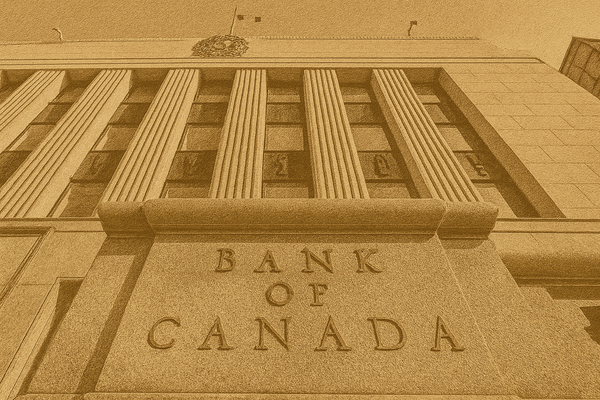
Based on coverage from Toronto Star, Yahoo Finance, Canadian Mortgage Trends, and Wealth Professional.
In the world of economic forecasting, predicting the Bank of Canada's next move can feel like trying to guess the weather in Calgary—tricky at best. With the central bank's rate decision looming on September 17, Canadians are left wondering whether a rate cut is on the horizon. The economic signals are mixed, and the stakes are high.
Let's start with the bad news. Canada's economy shrank by 1.6% in the second quarter, a downturn largely driven by a 9.8% plunge in exports. Manufacturing, a sector already battered by U.S. tariffs, has seen better days. The recent jobs report didn't help either, revealing a loss of 66,000 positions in August, pushing the unemployment rate up to 7.1%. This has led to a flurry of speculation that the Bank of Canada might cut its policy rate, currently sitting at 2.75%.
Economists are divided. Some, like Andrew Grantham from CIBC Capital Markets, argue that the weak labour market data could spur the bank to cut rates to stimulate demand and hiring. Others, like BMO's Doug Porter, caution that while the job numbers support a rate cut, inflation remains a sticking point. Canada's overall inflation is at 1.7%, but core inflation measures are hotter, hovering around 2.4%. The Bank of Canada's mandate is to keep inflation close to 2%, so any decision to cut rates will be weighed against inflationary pressures.
On the flip side, there are glimmers of resilience in the economy. Consumer spending surged by 4.5% in the second quarter, and housing investment jumped by 6.3%. Home sales and housing starts are on the rise, suggesting that parts of the economy are holding strong. Derek Holt from Scotiabank notes that the GDP numbers might be skewed by businesses front-loading inventories to dodge tariffs, painting a gloomier picture than reality.
The U.S. economy, meanwhile, is not exactly a beacon of hope. With tepid consumer spending and high inflation, the U.S. Federal Reserve is under pressure to maintain higher rates. This complicates matters for Canada, as any significant divergence in rates could impact the exchange rate and trade dynamics.
The decision also hinges on the latest inflation data, set to be released on September 16, just a day before the Bank of Canada's announcement. If inflation shows signs of easing, it could tip the scales towards a rate cut. However, an unexpected rise in inflation might delay any cuts, leaving borrowers in suspense.
As we wait for the Bank of Canada's decision, it's clear that the path forward is fraught with uncertainty. The economic landscape is a patchwork of challenges and opportunities, with trade tensions, job market fluctuations, and inflation all vying for attention. Whether the bank opts for a rate cut or holds steady, the decision will have far-reaching implications for Canadians, from homeowners to business owners.
In the end, the Bank of Canada's move will reflect a delicate balancing act, aiming to support economic growth without stoking inflation. For now, all eyes are on the central bank, as Canadians brace for the next chapter in this economic saga.