

Based on coverage from CBC, The Toronto Star, and CP24.
Toronto transit riders are being told, in black and white, what many already feel in their gut: the TTC is not hitting the reliability bar right now.
A performance report from TTC CEO Mandeep Lali, based on February data and going to commissioners Thursday, puts overall customer satisfaction at about 64 per cent. That is down from the previous month and well below the TTC’s own 84 per cent target. The timing is rough, coming after a string of Line 2 disruptions tied to leaks and other mechanical issues.
TTC customer satisfaction drops to 64%
The report tracks ridership, on-time performance and rider satisfaction across the system. Subway riders were the “happiest” of the three, but still only at 64 per cent satisfaction. Streetcars came in at 62 per cent, with buses at 61 per cent.
Across the board, buses, streetcars and subways are also below the TTC’s 90 per cent on-time target, according to the same report. Transit advocate Steve Munro said weather likely hurt ridership earlier this year, but he also points to service reliability as a growing problem the TTC needs to tackle.
CBC Toronto asked Lali and TTC chair Coun. Jamaal Myers for comment on the findings, and reported it had not received responses.
TTC ridership and fare revenue fall short
The TTC is also carrying fewer riders than planned. February ridership was 6.8 per cent below budget and 3.8 per cent lower than the same period last year, the report says.
That slump is hitting the bottom line: fare revenue is below expectations, contributing to an $8 million year-to-date budget shortfall.
Lali’s report links weaker ridership to “extreme weather events in 2026, an economic slowdown and a decline in immigration and international students.” Whatever the mix of causes, the money crunch matters because service quality and funding feed into each other. Counc. Josh Matlow, a TTC board member, warned of a “vicious cycle” where fewer riders means less fare revenue, which can mean fewer resources to improve service.
Josh Matlow pushes TTC reliability plan
Matlow is bringing a motion to Thursday’s TTC board meeting calling for answers and a concrete plan to improve reliability, especially after repeated subway shutdowns earlier this month and last week’s Line 2 disruption.
One recent incident involved hydraulic fuel leaks on Line 2 that shut down Bloor-Danforth service for hours. Another leak at Old Mill station halted service between Kipling and Jane for several hours. Matlow’s motion argues delays tied to hydraulic leaks and signal issues are becoming a routine expectation for riders.
He wants TTC leadership to clearly identify what upgrades are needed, including “unfunded” infrastructure work that could reduce breakdowns. A separate report tied to the motion pegs the TTC’s “unfunded needs” at about $37 billion. The motion, seconded by TTC chair Jamaal Myers, also asks the CEO to report back during the 2027 budget process with a strategy to cut disruptions and prevent future failures. Lali has publicly apologized for recent incidents, saying the TTC did not meet its standard and that he takes “full accountability.”
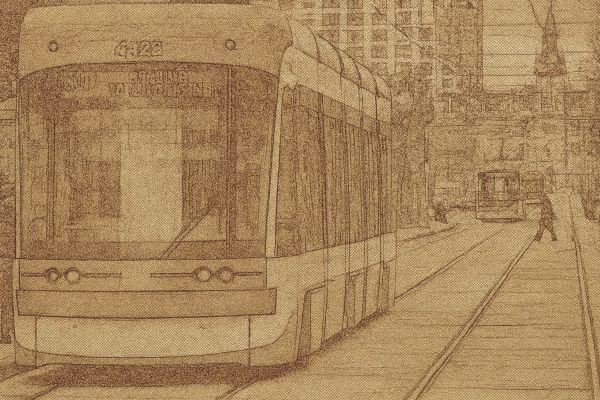
Toronto streetcar speed fixes on table
While the subway headlines grab attention, the TTC is also looking at changes to speed up and stabilize the streetcar and LRT network, where delays can turn a short commute into a daily gamble.
The board will consider steps such as expanding transit signal priority (think quicker green lights and giving streetcars priority over left-turning vehicles), removing some stops to improve spacing, and replacing outdated operating rules. The TTC says signal priority has already sped up some streetcar routes by about 10 to 30 seconds per intersection.
Some existing rules under review include a 25 km/h speed limit through intersections and requirements to slow down to visually inspect older switches, which the TTC hopes to replace.
Rider advocate Andrew Pulsifer of TTCriders welcomed the push, calling Toronto’s streetcar network “outrageously slow,” but he also flagged that stop removals can get politically heated. The last big attempt, in 2014, ended with the TTC cutting 72 stops after backlash to a proposal that would have removed more than 80.
A TTC staff report says Toronto still has very tightly spaced stops and some of the slowest streetcars globally, lagging behind some European systems by 15 to 50 per cent.
For riders like Marika Robillard, who leaves an hour early for a trip that should take about 20 minutes and sometimes ends up paying for an Uber, the question is simple: can the TTC make service predictable enough that people can plan their lives around it again. Thursday’s meeting should give the first clues on how aggressive the board is willing to be, and how much funding it thinks it can realistically line up to get there.
Support Independent Canadian News Analysis
The Canada Report is supported by readers like you. If this article helped you understand what’s happening, you can support our work with a one-time tip.
Support The Canada Report