

Based on coverage from Reuters, Carrier Management, and WMBD Radio.
Canada’s home insurance market is bracing for another rough wildfire season, and insurers are getting more vocal about what they want homeowners and governments to do about it. Property and casualty insurers say severe weather is driving up claims, pushing premiums higher, and forcing hard conversations about where and how Canada builds.
As insurers grapple with the impacts of climate change on home insurance claims, the rising costs of coverage have become a pressing issue, as detailed in a recent analysis of home insurance costs in Canada. This trend underscores the urgent need for both homeowners and policymakers to address the escalating risks associated with extreme weather events.
Home insurance premiums rose about 6% last year, according to the reporting, as companies including Intact Financial, TD Insurance, Wawanesa and Definity Financial deal with higher disaster losses.
Canada wildfire risk drives insurance pressure
Environment and Climate Change Canada expects 2026 to be among the hottest years on record, which raises the odds of wildfires. Researchers have linked human-driven climate change and rising carbon emissions to hotter, more frequent heatwaves that dry out ecosystems, creating conditions that can fuel wildfires and intensify floods.
Canada has nearly 10% of the world’s forest, and the country has seen record wildfire and flood damage in recent years. Over the past three years, about 32 million hectares have been scorched by wildfires.
Even with those losses, calamity-prone regions are still broadly insurable in Canada, unlike some other countries where insurers simply won’t cover homes exposed to wildfire risk.
2024 Jasper wildfire and $9.4B claims
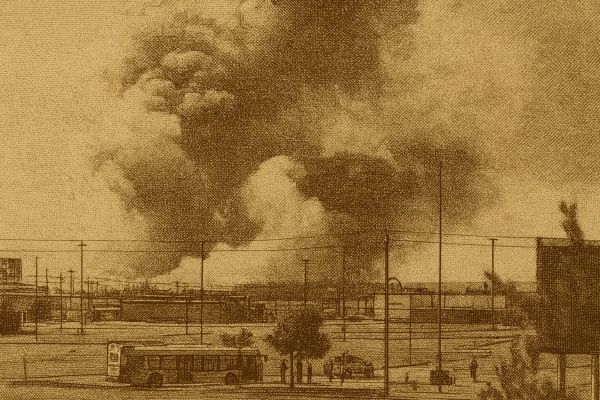
The numbers behind insurers’ concern are stark. In 2024, Canada’s insurance claims hit a record C$9.4 billion, driven by multiple disasters: one of the country’s worst fires hit Jasper, Alta., where flames engulfed nearly a third of the town’s structures and forced thousands to evacuate. The same year also brought a hailstorm in Calgary and flooding in Toronto, adding to the total bill.
Insurers are worried 2026 could bring more of the same, particularly if heat and drought conditions set the stage for more large fires.
Carney climate policy debate and oil focus
Several insurers, reinsurers, climate groups and insurance lobby groups told Reuters they feel climate action has taken a back seat as Prime Minister Mark Carney’s government prioritizes trade and a global energy crunch.
Part of their concern is political emphasis: Carney, who famously warned about climate risk and financial stability in a 2015 speech as Bank of England governor, is now leaning on Canada’s oil sector to help the economy absorb the impact of U.S. President Donald Trump’s tariffs. Reuters also reports Carney pledged to support global efforts to stabilize energy prices linked to the Iran war, putting some climate initiatives “on the back burner.”
Definity CEO Rowan Saunders put it bluntly: “It feels to me like this (climate) has been somewhat deprioritized. And that’s why we’re going to, as an industry, keep it at the top of the table.”
The federal environment ministry disputes the idea that climate has slipped, saying it remains a critical issue. It points to more than C$6.6 billion invested since 2015 to help communities prepare for and manage wildland fire, among other projects.
Insurers push flood-proof and fire-proof homes
Insurers say they’re not just warning about risk, they’re spending money to reduce it. The companies have invested millions to encourage flood- and wildfire-resilient rebuilding, sometimes folding upgrades into claim settlements. They’ve partnered with municipal governments and invested in wildfire risk modelling.
On the consumer side, insurers are also offering incentives: discounts for completing risk assessments or making upgrades like fire-resistant roofing and siding.
And despite the surge in disaster-related attention, insurers’ finances are not collapsing. Major players reported higher profits last year, and the industry spent less on claims payouts in 2025 than in 2024, when claims hit that record. Industry net income rose 56.7% last year, according to data from the industry regulator, which also requires strong capital levels.
Ottawa housing plan faces flood zones
A big flashpoint is housing. Insurers worry Carney’s plan to tackle Canada’s housing shortage doesn’t sufficiently account for severe weather. Ottawa has proposed building 3.9 million homes, and the Insurance Bureau of Canada estimates about 500,000 could end up in high-risk flood areas and over 200,000 in high-risk wildfire areas.
“We’ve got to stop this problem from getting worse,” said Liam McGuinty, the bureau’s vice-president of federal affairs.
Insurers’ proposals to Parliament last year included updating building codes to make new homes more climate-resilient, investing in natural infrastructure, and avoiding new construction in areas already prone to floods and wildfires. For homeowners, the immediate takeaway is simpler: more pressure to retrofit, and more scrutiny about where the next wave of Canadian housing goes.
Support Independent Canadian News Analysis
The Canada Report is supported by readers like you. If this article helped you understand what’s happening, you can support our work with a one-time tip.
Support The Canada Report