Based on coverage from CBC, Global News, and The Star.
Billions in long-promised federal money for First Nations child welfare in Ontario is about to start moving, with Indigenous Services Minister Mandy Gull-Masty saying the first payments will begin May 29 under a landmark $8.5 billion settlement.
The agreement, reached between Ottawa and 131 Ontario First Nations, is meant to support long-term reform of on-reserve child and family services and help communities reclaim control over systems that have historically been designed elsewhere, and often with damaging results.
$8.5B Ontario First Nations child welfare deal
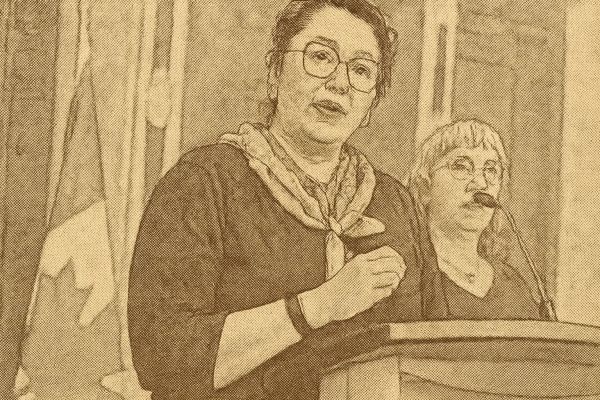
Gull-Masty announced the rollout at a news conference in the House of Commons, framing the settlement as a shift toward First Nations jurisdiction over child and family services. She said “too many children grow up in systems that were never designed by their communities,” arguing that outcomes improve when communities run services themselves.
Indigenous Services Canada says the settlement funding is on top of existing child and family services funding, and it will flow both to First Nations and to child and family service providers.
The Canadian Human Rights Tribunal approved the deal in March. It’s being treated as a major regional step in a much larger national dispute over how First Nations child welfare is funded and governed.
First payments start May 29
Indigenous Services Canada estimates about $158 million of the $8.5 billion will be available by the end of this month, as the broader funding begins to roll out starting May 29.
The department says each First Nation’s share will depend on factors including population and remoteness. Communities are expected to report regularly to Indigenous Services Canada on how the money is used, and the department says audits could happen if “necessary and justified.”
Nishnawbe Aski Nation Grand Chief Alvin Fiddler, who represents 49 First Nations in northern Ontario, told CBC News the funds should help communities prevent apprehensions and keep children connected to culture. He said First Nations may spend their shares differently, but described needs that go beyond the child welfare office itself, including facilities, housing, food security, and addictions treatment. Fiddler also said his organization welcomes the oversight requirements.
Two Ontario First Nations excluded
One complication: the tribunal approved the Ontario agreement for all of the province’s First Nations except Georgina Island First Nation and Taykwa Tagamou First Nation.
Gull-Masty says the federal government is seeking a narrow judicial review of the tribunal’s decision, to better understand why those two communities were exempt and what Ottawa’s obligations are. The Canadian Press reports Ontario First Nations leaders are disappointed the review was filed, but encouraged it won’t delay implementation.
Gull-Masty says the judicial review will not impede the flow of funds to other Ontario First Nations when the agreement takes effect in May. She also says federal funding for child and family services in Georgina Island and Taykwa Tagamou will continue.
CBC News reported the tribunal issued a letter decision when it approved the deal, aiming to prevent First Nations from losing a full year of funding, with a formal decision to come later. Gull-Masty said she visited Georgina Island earlier this week and described the conversation as positive, and that she reached out to Taykwa Tagamou. CBC said it contacted both communities for comment but didn’t hear back by deadline.
Tribunal roots: 2007 complaint and 2016 ruling
This deal sits inside a much longer fight. The dispute dates back to 2007, when the Assembly of First Nations and the First Nations Child and Family Caring Society filed a human rights complaint against the federal government over underfunding on-reserve child welfare.
In 2016, the Canadian Human Rights Tribunal ruled Canada discriminated against First Nations children, saying Ottawa’s actions led to “trauma and harm.” In 2019, the tribunal ordered Canada to pay maximum penalties under the Canadian Human Rights Act, and ordered long-term reform.
More than $23 billion in individual compensation announced under former prime minister Justin Trudeau is rolling out to more than 300,000 First Nations children and families, but the broader reform work has remained largely unresolved.
National negotiations and what comes next
Ontario’s agreement could become a template for other regional deals. Gull-Masty says negotiations are underway with First Nations in Treaty 8 and 6 in Western Canada, the Assembly of Manitoba Chiefs, and First Nations in Atlantic Canada and Quebec.
She said the tribunal had asked the federal government to finish talks by the fall, but she doesn’t want to rush communities into an agreement, and is asking whether they prefer regional deals or a national one.
Assembly of Manitoba Chiefs Grand Chief Kyra Wilson told CBC News her organization is considering a regional agreement, but wants it to include enough support for families and caregivers, infrastructure, and coverage for all First Nations children, not only those living on-reserve.
Meanwhile, the bigger national numbers are still in motion: the Assembly of First Nations rejected a previous national $47.8-billion reform proposal from the Trudeau government, citing gaps including off-reserve exclusion and lack of continuous funding. CBC also reports Prime Minister Mark Carney’s government presented a new offer last year: $35.5 billion in funding through 2033-34, plus an ongoing $4.4 billion annually. That offer is now before the tribunal, along with a counter proposal from First Nations leaders and children’s advocates.
Support Independent Canadian News Analysis
The Canada Report is supported by readers like you. If this article helped you understand what’s happening, you can support our work with a one-time tip.
Support The Canada Report