
Based on coverage from CBC and CTV News.
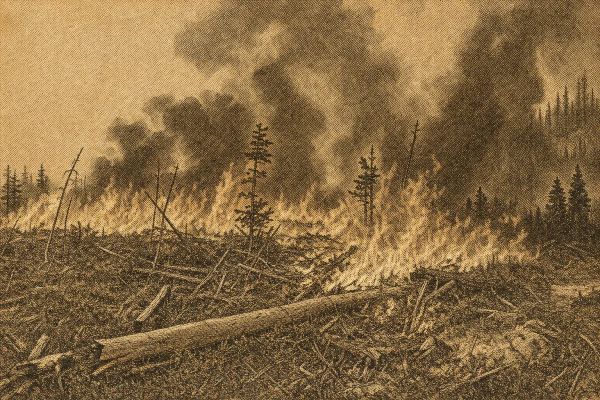
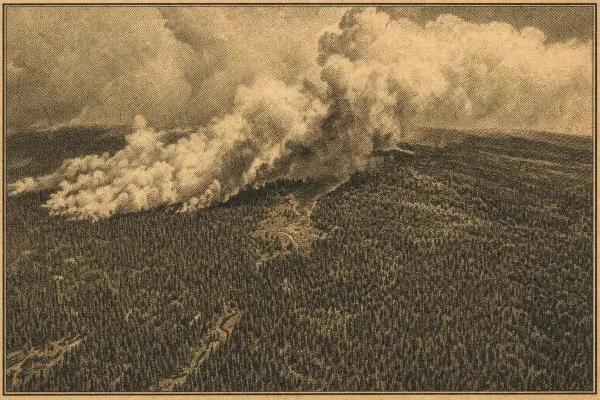
A major Annapolis Valley wildfire that tore through West Dalhousie last summer is now officially out, Nova Scotia’s Department of Natural Resources (DNR) says. The Long Lake fire burned for weeks, destroyed 20 homes, and pushed hundreds of people from their properties.
Long Lake wildfire officially extinguished
DNR declared Tuesday that the Long Lake wildfire has been extinguished after months of monitoring. The fire ran from mid-August into late September, and crews stayed on site into late October even after the most active flames were knocked down.
Size estimates and timeline details
Outlets describe the burn area slightly differently: CBC puts it at about 8,500 hectares, while CTV News cites an estimate of 8,468 hectares, roughly 84 square kilometres. CTV also reports the fire started burning out of control on Aug. 13 and that the final evacuees were allowed home on Sept. 19. DNR’s last regular update declaring it “under control” came Sept. 25, with the province warning at the time it was not yet extinguished.
Why Nova Scotia kept monitoring through winter
Jim Rudderham, DNR’s director of fleet and wildfire management, said the department wanted to be sure there was no underground heat that could flare up again in spring. He explained they waited for winter snowpack, spring rains, and then warmer, drier conditions to test whether anything would re-ignite.
Infrared drone scan and 2026 wildfire risk
Rudderham said a drone with an infrared scanner was flown over the burn area at night over the weekend and found no remaining hot spots. He pointed out the province was hot and dry last week, the kind of weather that could have accelerated any lingering fire, but nothing showed up.
Human-caused fires and burn restrictions
Rudderham says Nova Scotia has seen more wildfires so far this season than at the same point last year, and he described last week’s fires as human-caused. Annapolis County Warden Diane Le Blanc thanked DNR, volunteer fire departments, and other responders, while urging residents to follow burn restrictions and stay vigilant outdoors.
Support Independent Canadian News Analysis
The Canada Report is supported by readers like you. If this article helped you understand what’s happening, you can support our work with a one-time tip.
Support The Canada Report