
Based on coverage from Outschool, Let's Talk Science, and Tom Bickmore.
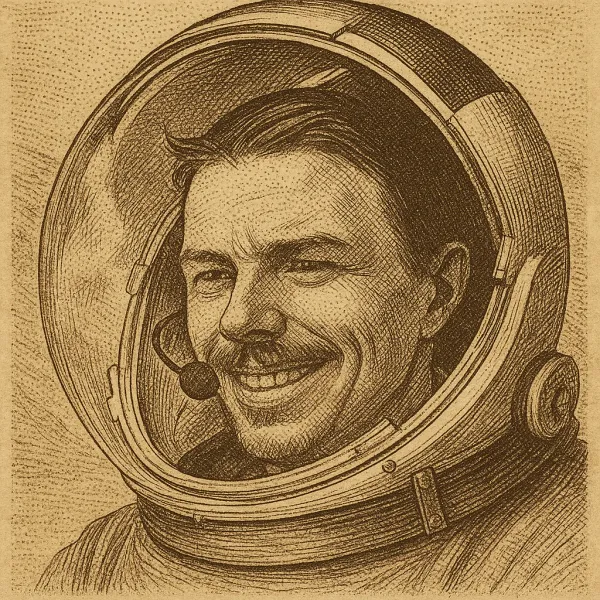
A Canadian teacher known online as “Teacher Tom” just pulled off something that felt a lot like space travel, without anyone leaving Earth.
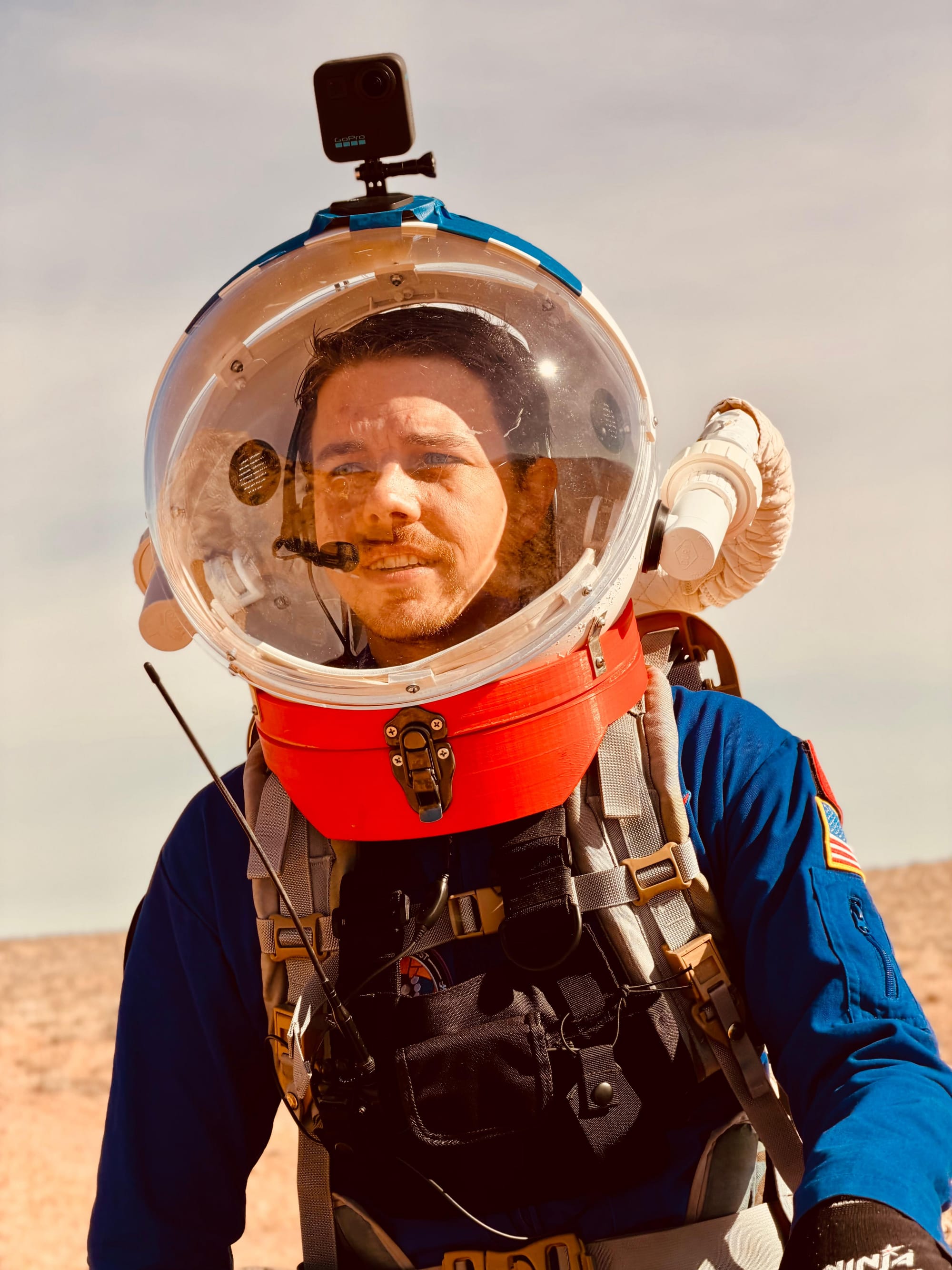
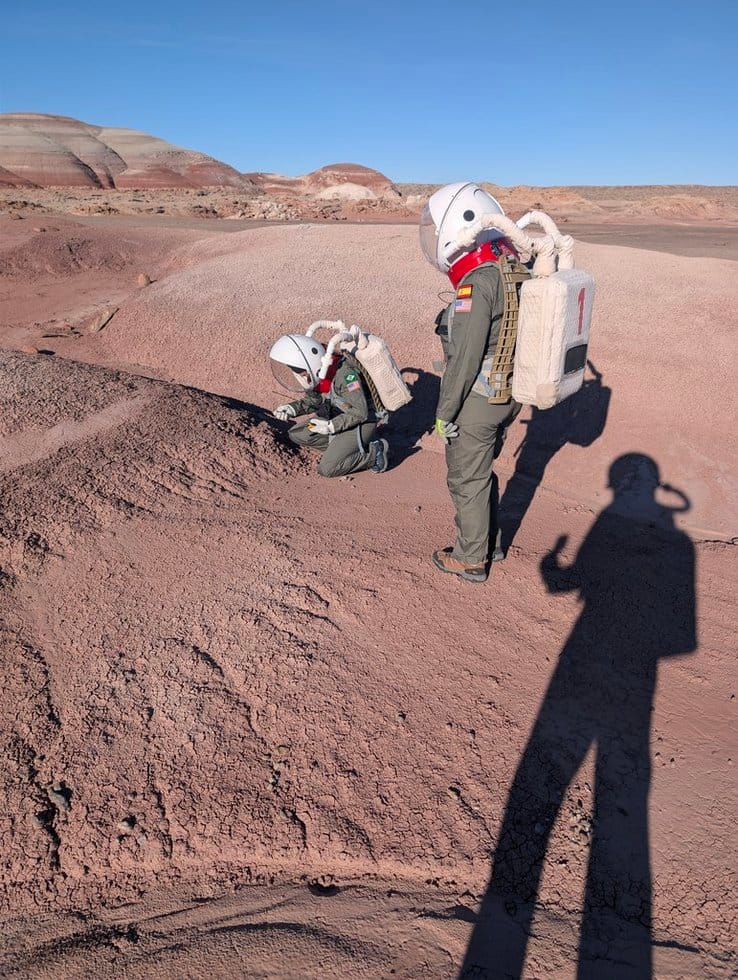
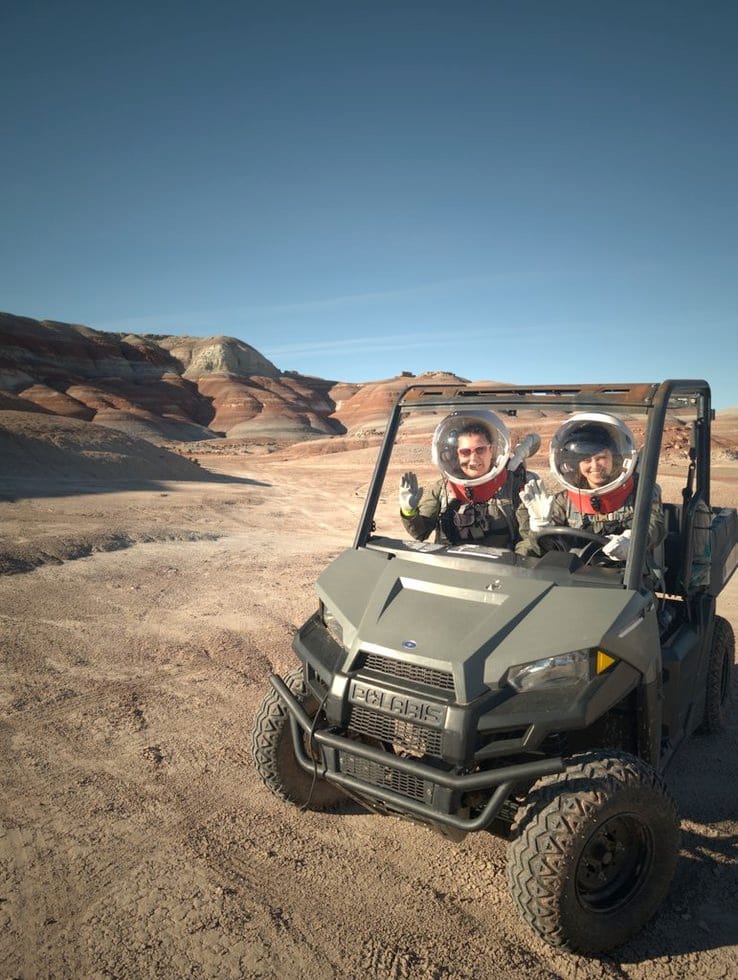
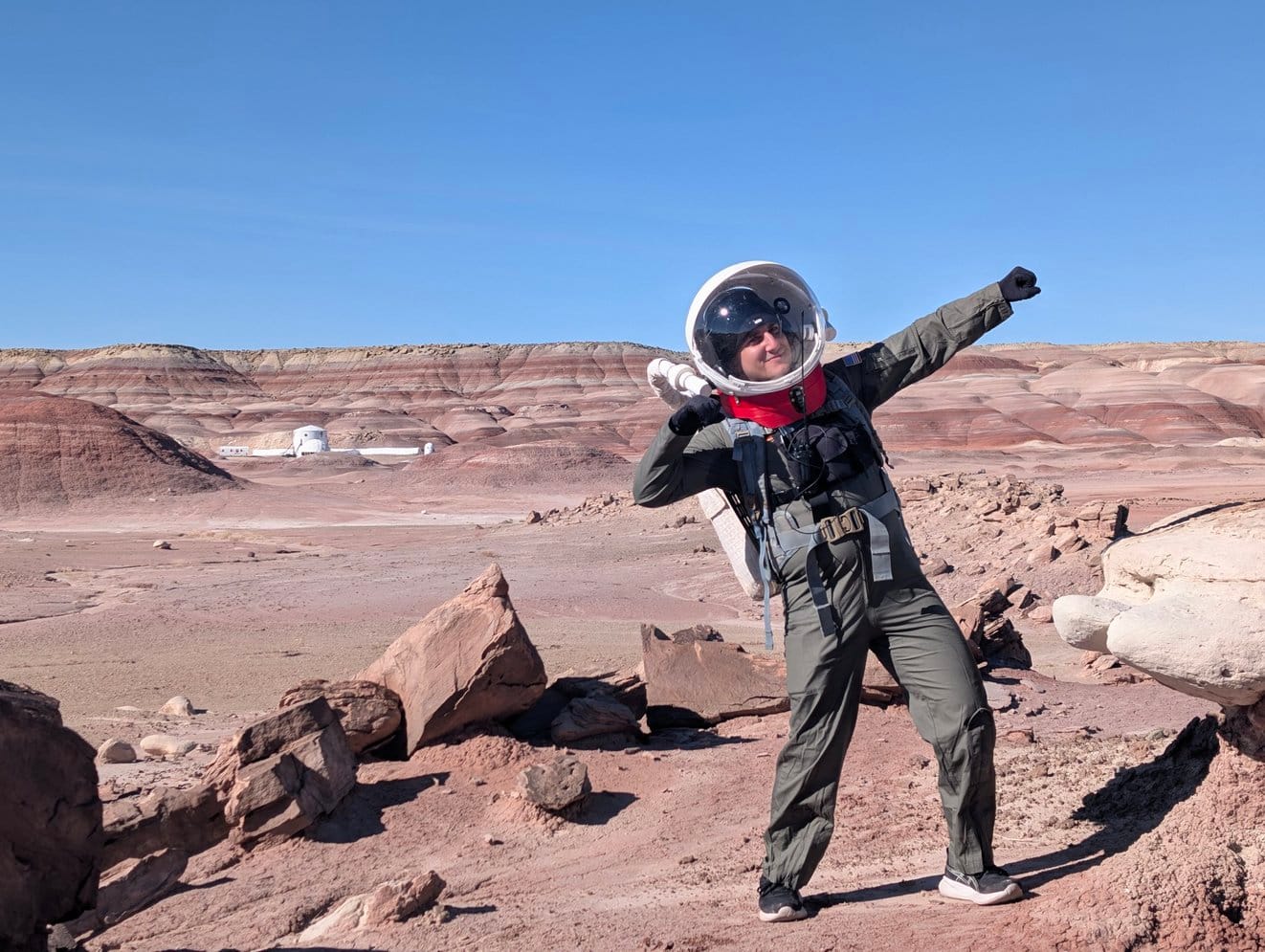
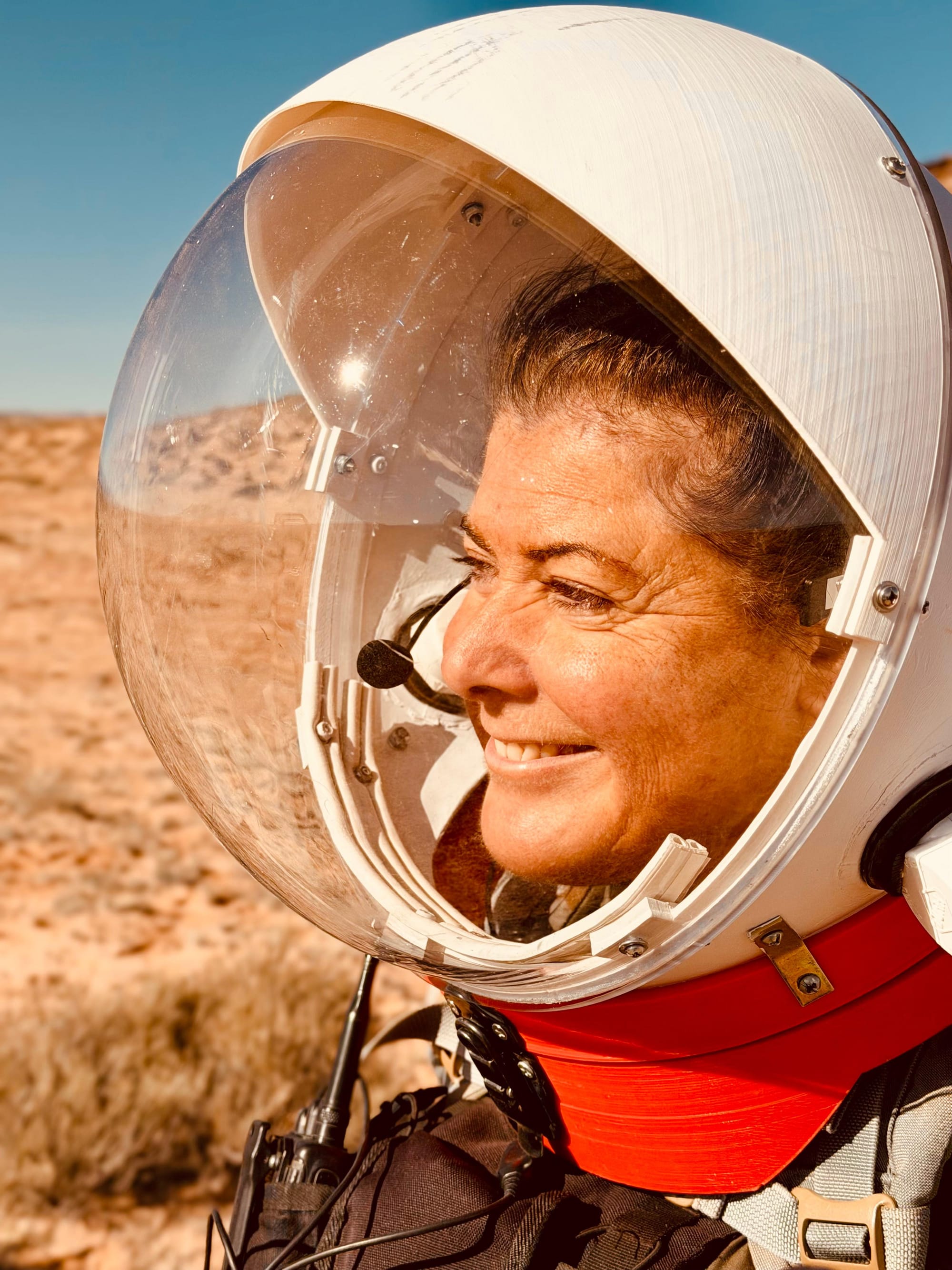
Tom Bickmore, who teaches rocket science and engineering classes to kids around the world, joined a crew at the Mars Desert Research Station (MDRS) in southern Utah, a Mars “analog” facility where people live under simulated mission conditions. From there, the crew ran a live video event with students and classrooms, but with a built-in 10 to 20 minute communications delay to mimic what it’s like to talk to astronauts on Mars.
The result was part science demo, part outreach, and part research project: does a delayed live conversation still feel more human than watching a prerecorded video?
Canadian teacher leads Mars delay experiment
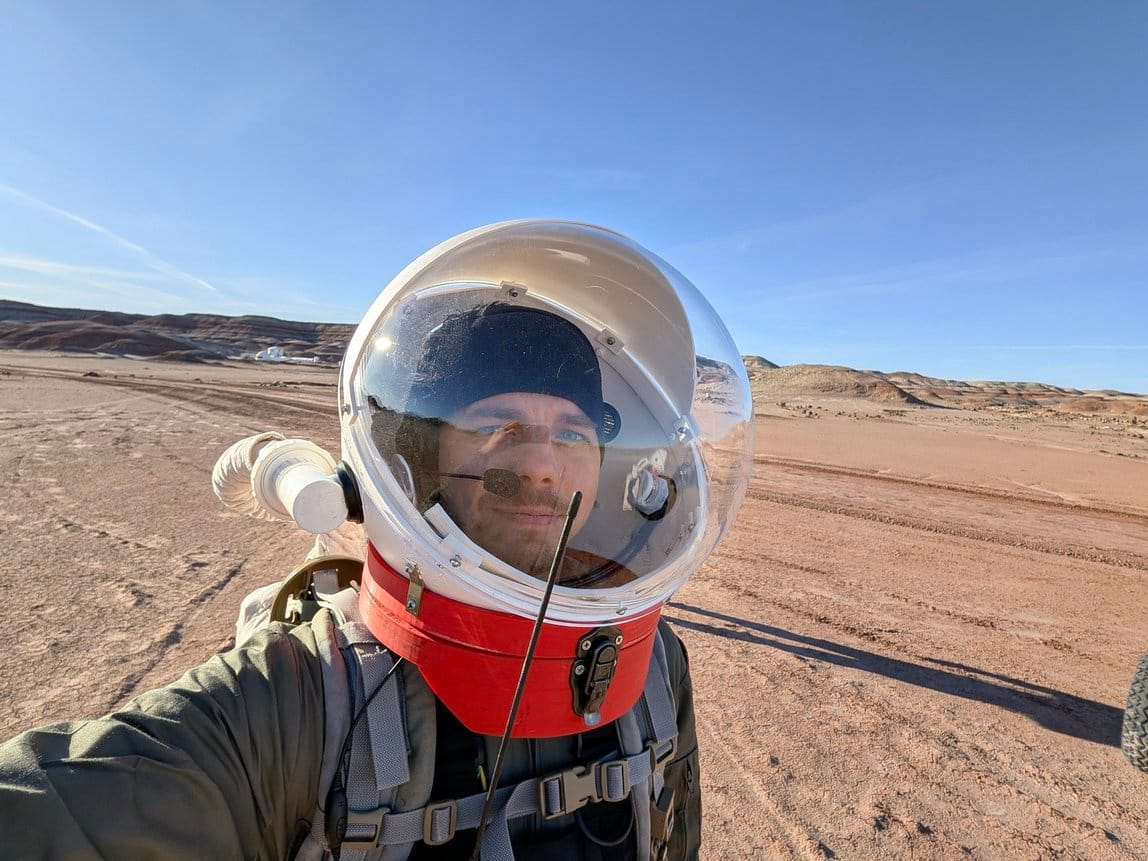
Bickmore is the only Canadian on MDRS Crew 328, and his role on the mission is communications officer, crew journalist, and crew astronomer. The crew’s live event was framed as “Mars Live,” with viewers joining from all over, including Canadians following through Let’s Talk Science and the Tomatosphere program.
The delay was the point. The crew explained that in their simulation, Earth and “Mars” were 10 light minutes apart. That meant questions could be asked in real time, but answers arrived later, with the natural awkwardness you’d expect when the other side hasn’t heard what you just said yet.
The crew described it as a first-time experiment “disguised as educational outreach,” aiming to measure whether people feel more connected when they can see genuine reactions, even if those reactions show up late.
Canada has been steadily expanding its footprint in science and research education in recent years, including initiatives highlighted in coverage such as the Canadian AI research funding expansion, which similarly focused on long-term innovation and talent development.
Mars Desert Research Station mission details
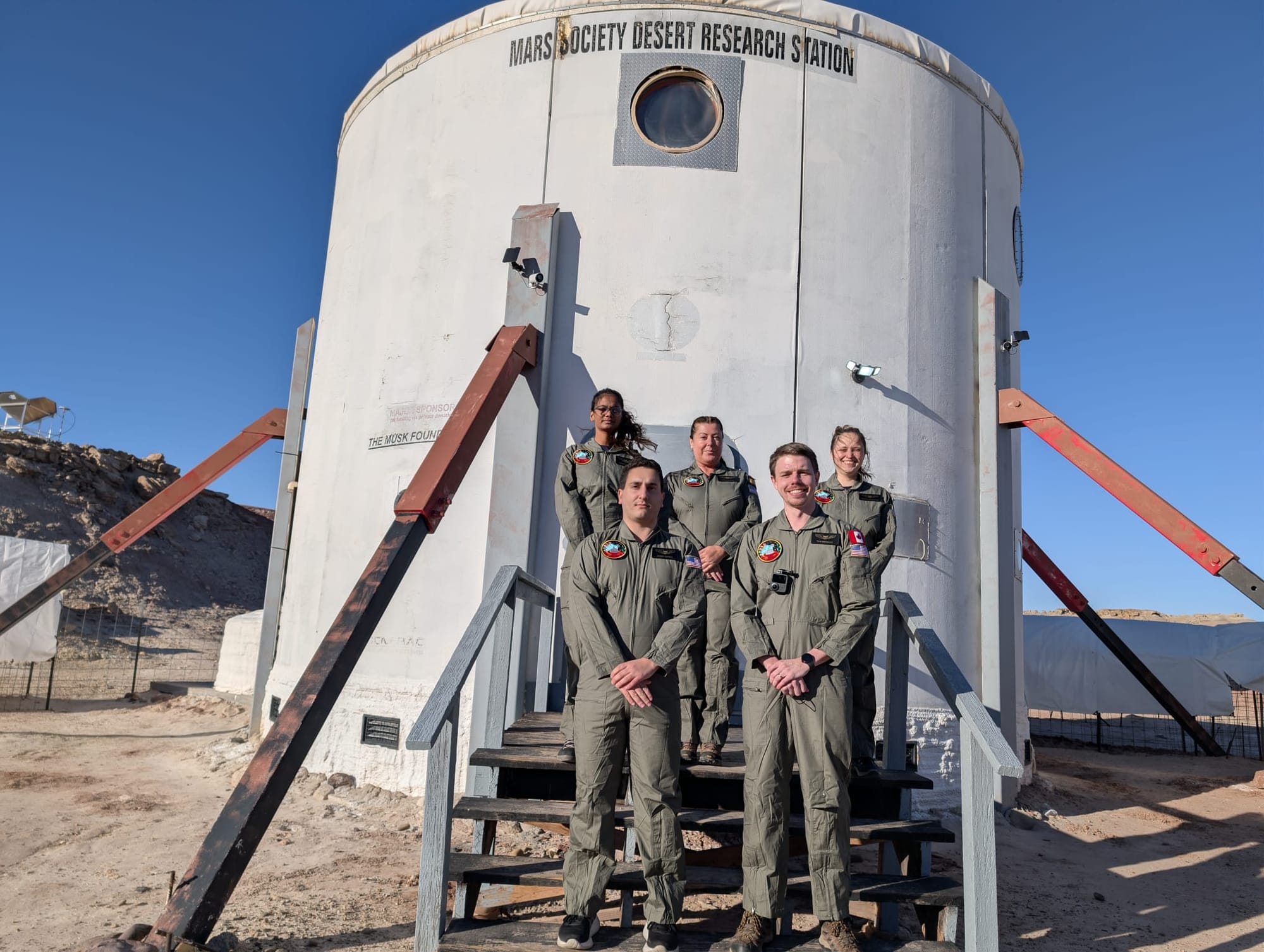
MDRS is run by the Mars Society and has hosted Mars analog missions for about 25 years. Crew 328 described their habitat as a cylinder built to resemble something that could fit inside a rocket, about eight metres wide. They live with limits that force tradeoffs similar to what a real Mars mission would face.
A big one was water: the crew cited a cap of about 25 gallons per day, which they translated during the talk as roughly 90 litres total for the whole crew. That water budget includes cooking, cleaning, and even rehydrating freeze-dried food. Showers, as you’d guess, are not a daily thing.
They also talked about the environment itself. Utah’s desert is obviously not Mars, but it is extremely dry. Crew members mentioned getting nosebleeds and dealing with irritation from the lack of humidity, while also running routine checks on life-support-style systems and sensors tracking power, temperature, and humidity.
The crew also described how isolation changes the feel of everyday life. Several of them said the best part is being “disconnected” from the outside world and able to work for long stretches without interruption, while still having to function as a tight unit in a small space.
International crew and Mars research projects
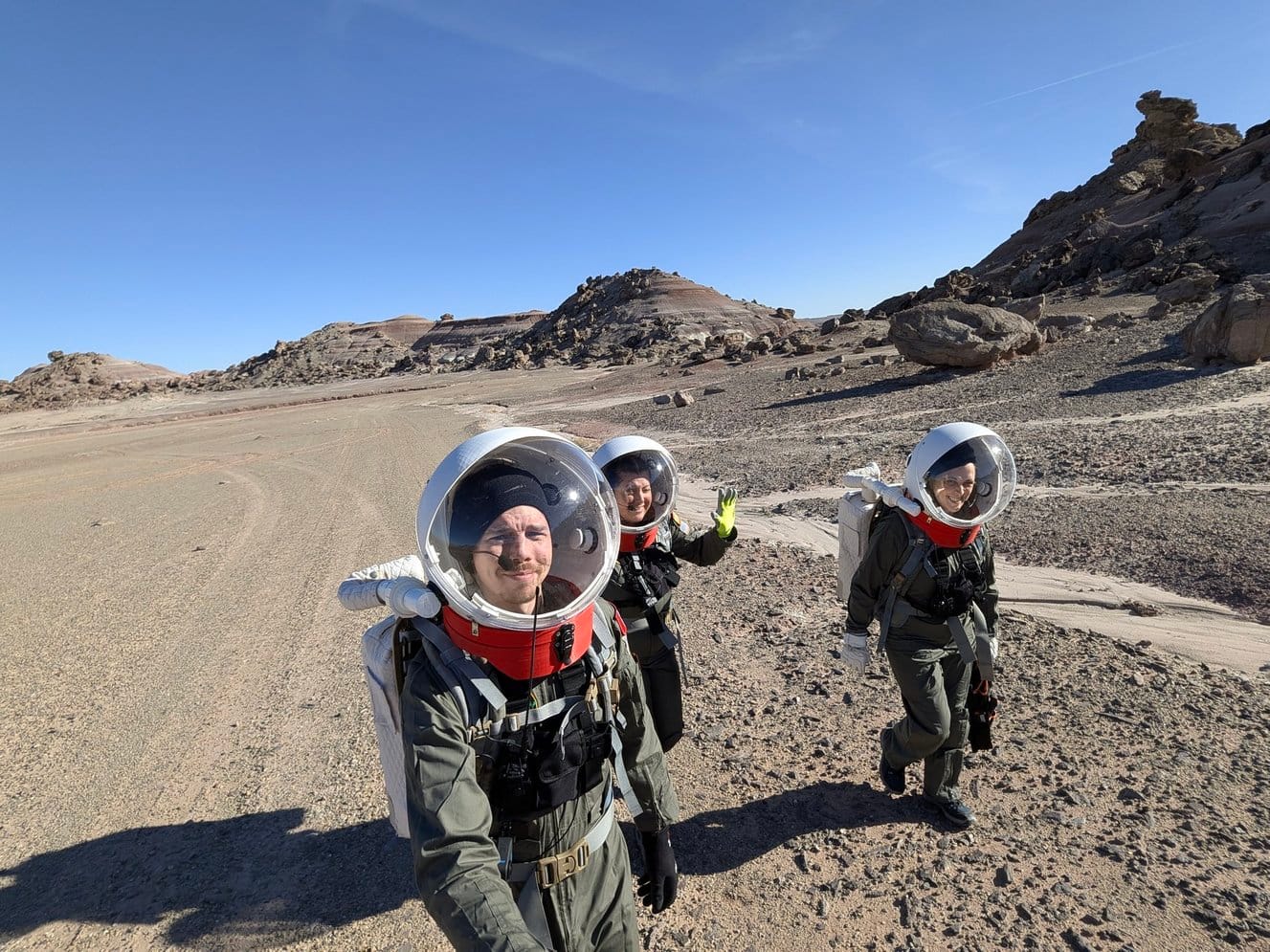
Crew 328 is intentionally international, and they leaned into that during the event.
The team includes:
- Commander Mariló Torres (Spain), an aerobatic pilot
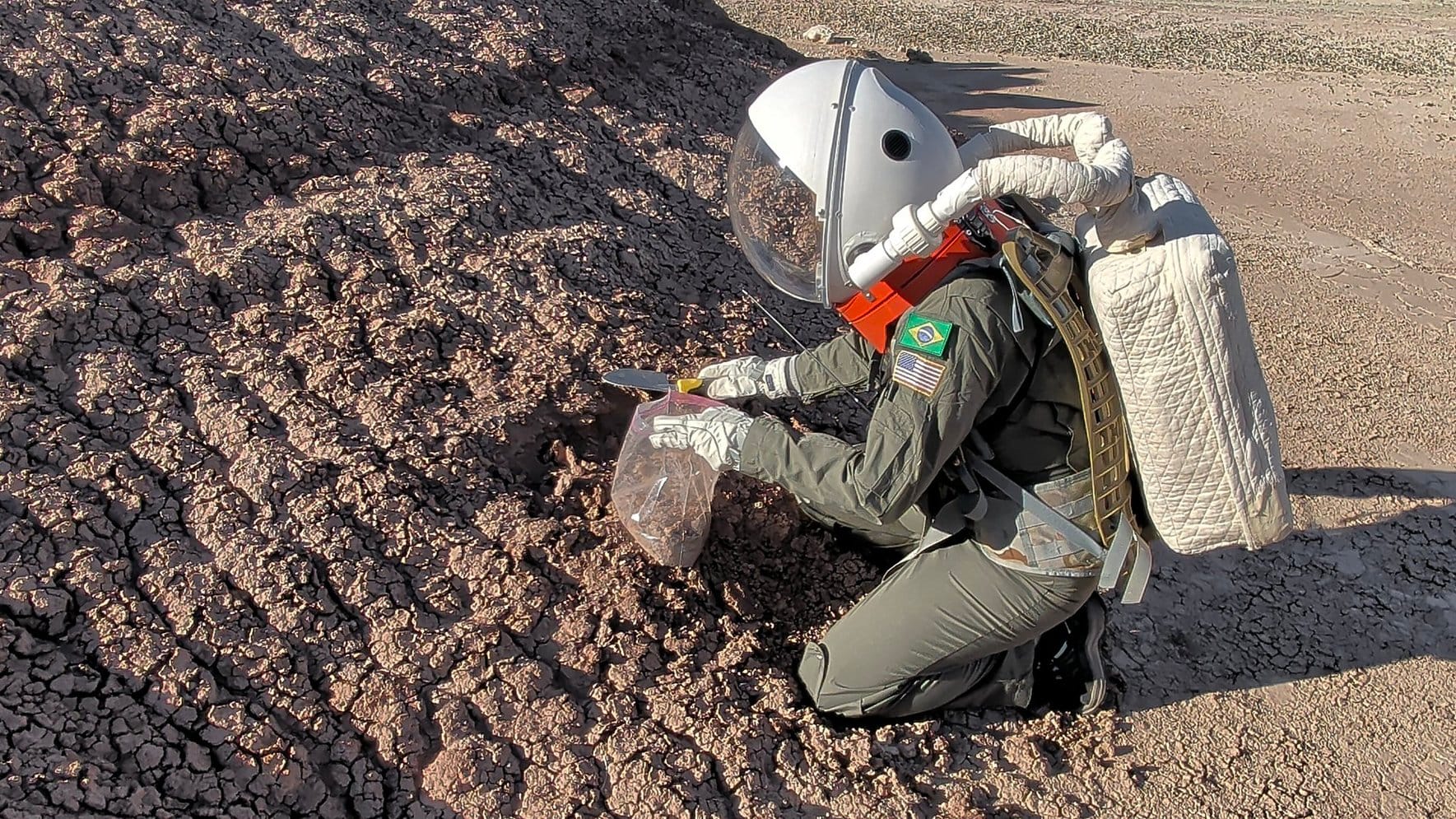
- Rebeca Gonçalves (Brazil), an astrobiologist focused on space agriculture
- Aaron Tenner (United States), the crew engineer and health and safety officer, with aerospace engineering training
- Jahnavi Dangeti (India), a crew scientist and electronics and communication engineer active in STEM outreach
- Tom Bickmore (Canada), communications and journalism, plus astronomy duties
They said the crew collectively speaks seven languages, and they repeatedly came back to teamwork as the central “mission skill,” especially when people are tired, working under constraints, and sharing tight quarters.
On the research side, their projects were a mix of practical engineering and long-term “how would we actually live there?” biology:
- Hydroponics and space agriculture: Gonçalves described past work growing tomatoes, peas, and carrots in Mars regolith simulant, and said potatoes and tomatoes tend to perform well. She also shared a detail that grabbed the audience: tomatoes grown under stress in Martian-style regolith can taste sweeter because stressed plants accumulate sugars.
- Perchlorate removal: The crew discussed perchlorates, toxic salts found in Martian regolith that complicate farming. They described experimenting with ways to keep helpful bacteria alive and exploring methods like plant-based and microbe-based remediation to reduce perchlorates.
- 3D-printed systems: Tenner described testing 3D-printed components for hydroponics, including parts designed for nutrient film technique setups. The logic is simple: if future crews can manufacture replacement parts on Mars, they do not have to bring everything from Earth.
- Building materials from local resources: Dangeti discussed research related to making bricks and using what’s available on-site, tying into the wider Mars goal of in-situ resource use.
The crew also positioned each two-week rotation as one layer of a bigger, long-running dataset. Crews file multiple reports a day, and those records are used later to study things like productivity, schedules, morale, and the habits that make isolated teams function better.
Sol by Sol: What Two Weeks on "Mars" Actually Looked Like
Bickmore filed daily reports as crew journalist, tracking everything from tire blowouts to bread-making experiments. A "sol" is one Martian day—about 24 hours and 40 minutes—and each entry captures what life in isolation, tight quarters, and simulated planetary conditions actually feels like. Here's the mission from start to finish:
| Sol | Date | Mission Highlights |
|---|---|---|
| 0 | Jan 25 | Crew arrives at MDRS. Shuttle dodges 2-meter tumbleweed ("rogue asteroid"). Health checks, orientation, first photo in flight suits. |
| 1 | Jan 26 | Simulation begins. First training EVA to Marble Ritual site. Soil scouting for experiments. First cooked meal: spaghetti with ground beef. |
| 2 | Jan 27 | Rebeca interviewed by Brazilian media (Globo). Two EVAs collect Martian-analog regolith. Space tomato seeds planted. |
| 3 | Jan 28 | Inside work day. Sunrise timelapse. Test bricks made. Discovery: vacuum filters labeled "Christmas Grogu" (previous crew mystery). |
| 4 | Jan 29 | Chinese Space Station spotted pre-dawn. Mineral crystals begin growing from brick samples. Radish seeds planted in four test conditions. |
| 5 | Jan 30 | First live-delayed outreach (rehearsal) with ~12 kids from 4 countries. EVA to dinosaur quarry—crew spots tiny lizard ("very small live dinosaur"). |
| 6 | Jan 31 | Crew makes test bricks together—mixture "looked and felt temptingly chocolatey." Mars topography map setup (hundreds of millions of files, 7m/pixel resolution). |
| 7 | Feb 1 | Rest day. First GreenHab harvest for "proper burgers" with fresh lettuce. Evening: crew plays Terraforming Mars board game. |
| 8 | Feb 2 | Live on Spanish TV (TeleCINCO) before 5 AM. Crew introduces "Regolith Reggie," their shelf-stable Mars groundhog. First space tomato germinates. Bickmore runs EVA Comms for first time. |
| 9 | Feb 3 | Outreach with Indian school. EVA becomes unintentional rover range test—battery hits 50% one kilometer short of destination. Event registrations surge by 500. |
| 10 | Feb 4 | Main "Live From Mars" event. 500+ registered accounts (many full classrooms), ~1,000 questions submitted, 20 countries participating. "My students really are out of this world." |
| 11 | Feb 5 | Drama: tire puncture in canyon with no radio contact. Bickmore coordinates rescue standing in rover, holding radio above suit. Flag recovered. YouTube event with The Launch Pad. 4 hours, 2 minutes outside. |
| 12 | Feb 6 | Final day. Two farewell EVAs including hike up mountain behind Hab. Deep cleaning. Final reports filed. "Mission complete." |
Students ask big questions about Mars
On the “Earth side,” Bickmore’s students and other panelists (including at least one Canadian student on the panel) fielded a flood of questions: more than 500 people attended, and hundreds of questions came in.
A few themes kept popping up:
- Why humans haven’t gone to Mars yet: they pointed to cost, politics, and the post-Apollo drop in funding, while noting that private-sector rockets are now trying to close that gap.
- Health effects of low gravity: they explained that less gravity means muscles and bones do less work, so astronauts need deliberate exercise to avoid getting weaker.
- Terraforming: they described it as theoretically possible but slow and huge in scale, especially because Mars’ atmosphere is so different.
- Communication limits: they explained that no matter how good our tech gets, the speed of light still sets a hard delay between Earth and Mars.
- Daily life logistics: questions ranged from food to trash disposal to whether animals could live on Mars someday (with the basic answer being: maybe later, once there’s a stable, controlled environment and enough resources).
There were also questions about who gets to participate in space exploration. The discussion touched on broader inclusion: panelists referenced recent progress toward getting more diverse bodies into space, and the MDRS crew emphasized that space work is bigger than astronauts alone, with thousands of roles on the ground supporting every mission.
What Happens Next
Bickmore and Crew 328 completed their mission at MDRS on February 7, wrapping up 13 sols of simulated Mars life. But the experiment isn't over yet.
Both main outreach events were recorded and remain available to watch. The larger Outschool event—which drew hundreds of participants from around 20 countries—can be viewed at outschool.com/campaigns/live-from-mars. The Launch Pad YouTube broadcast with host Zac is available at youtube.com/watch?v=aUZEnv0fdDU.
Anyone who watches either recording can still contribute to the research by filling out a survey about their experience. The survey asks whether the delayed "live" format felt more human and engaging than watching a typical prerecorded video—data that could shape how future missions communicate across interplanetary distances.
If the experiment proves anything, it might be this: when you add a time delay, you lose speed, but you don't necessarily lose people. That's a useful thing to test now, before Canadians are watching real astronauts try to make small talk from tens of millions of kilometres away.
Support Independent Canadian News Analysis
The Canada Report is supported by readers like you. If this article helped you understand what’s happening, you can support our work with a one-time tip.
Support The Canada Report