
Based on coverage from NDTV, The Independent, and U.S. News & World Report.
Canada is tightening its public health rules at the border in response to an Ebola outbreak in Africa that the World Health Organization (WHO) says is spreading faster than response efforts.
Ottawa says travellers coming from Ebola-affected regions will have to self-isolate for 21 days. At the same time, immigration officials are putting some application decisions on hold for people from three countries linked to the outbreak area.
Canada border rules for Ebola travel
The federal government announced Tuesday that travellers arriving in Canada from Ebola-affected regions will be required to self-isolate for 21 days. The stricter border measures are set to begin Saturday.
Luc Brisebois, director-general of the Centre for Border and Travel Health at the Public Health Agency of Canada, said the measures are being introduced out of an “abundance of caution.” He said they’ll remain in place until Aug. 29.
If a traveller shows symptoms, Canadian officials say they will be transferred to hospital for further medical assessment. For people who do not have a suitable place to isolate, the government says a location will be provided.
Immigration decisions paused for Congo, South Sudan, Uganda
Alongside the travel measures, Canadian officials say immigration authorities will temporarily suspend final decisions on applications from Congo, South Sudan, and Uganda.
The pause is scheduled to begin Wednesday and last for 90 days. Officials say that timeline could be extended, shortened, or lifted depending on how the outbreak evolves.
The reporting does not describe which streams of immigration applications are affected, but the key point from Ottawa is that final decisions are being paused, not that applications are being permanently stopped.
WHO details on northeastern Congo Ebola outbreak
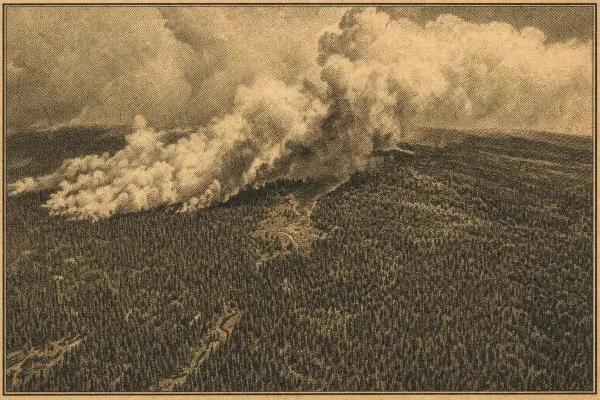
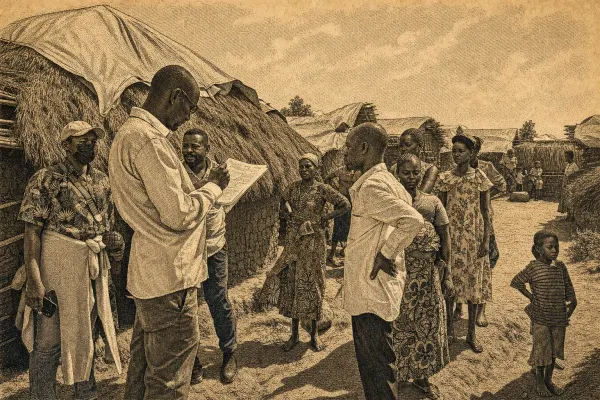
The WHO says the outbreak is centred in northeastern Congo and involves a rare type of Ebola. According to the WHO, it is outpacing response efforts.
The WHO has reported more than 900 suspected cases so far, along with more than 220 deaths. Aid efforts have intensified, but the WHO warns the outbreak could last for months.
The case and death totals are based on WHO reporting cited in the coverage, and they may change as on-the-ground investigations confirm suspected cases.
What Canadians should expect next
For travellers, the immediate impact is practical: a mandatory 21-day isolation requirement for people arriving from Ebola-affected regions, plus potential hospital assessment if symptoms appear. The measures have an end date for now, Aug. 29, but that could change depending on global public health advice and how the outbreak develops.
For immigration applicants from Congo, South Sudan, and Uganda, the next few months may bring delays as Canada pauses final decisions for at least 90 days, with the government leaving the door open to adjust that plan based on the situation overseas.
Support Independent Canadian News Analysis
The Canada Report is supported by readers like you. If this article helped you understand what’s happening, you can support our work with a one-time tip.
Support The Canada Report