
Heads up: some of the links in this post are affiliate links. That means if you click and purchase, we may get a commission. It’s how we keep this site running without cluttering it with ads.
Last updated on January 5, 2026
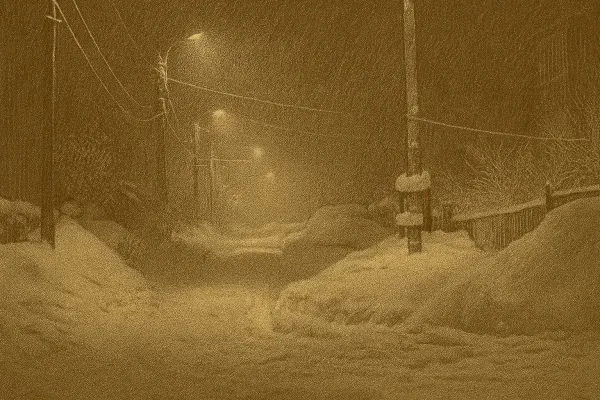
It's 4pm on a January afternoon in Winnipeg, and the sun has already set. You've been at work all day under fluorescent lights, left in darkness, and now you're heading home in darkness. By the time the weekend arrives, you realize you haven't seen actual daylight in three days. Your motivation has tanked, your energy is gone, and the thought of three more months of this feels overwhelming.
If this sounds familiar, you're not alone. Millions of Canadians face this every winter — and it's not just about the cold. It's the darkness, the isolation, the greyness, and the psychological weight of knowing there are still months to go. Canadian winters are uniquely challenging: longer, darker, and more extreme than most places in the world. From Vancouver's oppressive grey skies to Yellowknife's months of near-total darkness, winter in Canada demands specific mental health strategies that go far beyond "drink hot cocoa and wait for spring."
This guide isn't about toxic positivity or generic winter advice. It's about real, practical strategies that work specifically for Canadian winters — including light therapy, home setup changes, daily routine shifts, indoor hobbies that actually help, and region-specific tips for BC gloom, Prairie cold, Ontario freeze-thaw cycles, Atlantic storms, and Northern darkness. Whether you're dealing with full Seasonal Affective Disorder (SAD) or just struggling to stay motivated when it's dark before dinner, this guide will help you survive — and maybe even thrive — through long, dark Canadian winters.
Important: This guide is for general information only and isn’t medical advice. If your mood is very low, you’re struggling to function, or you’re having thoughts of self-harm, please talk to a doctor, mental health professional, or local crisis line. Seasonal depression is real and treatable — you don’t have to do this alone.
Quick Pick Guide: Find Your Winter Mental Health Strategy Fast
| Challenge | Best Solution | Why It Works | Ideal For |
|---|---|---|---|
| Darkness at 4pm | Verilux HappyLight VT43 | 10,000 lux bright light therapy, mimics natural sunlight | Daily commuters, office workers, anyone home in darkness |
| Can't wake up in winter | Philips SmartSleep Wake-Up Light | Gradual sunrise simulation, natural wake-up | People with early alarms, disrupted circadian rhythms |
| Feeling isolated | Pre-scheduled social routines | Accountability, consistency, human connection | Anyone avoiding social contact due to weather |
| Low energy all day | Light layering system | Morning bright light + warm evening lighting regulates rhythm | Everyone in Canada, foundational strategy |
| Grey BC winters | Full-spectrum SAD lamp + movement | Combats both darkness and stagnation | Vancouver, Victoria, Lower Mainland residents |
| Extreme Prairie cold | Indoor routine anchors | Replaces outdoor activities with sustainable indoor habits | Alberta, Saskatchewan, Manitoba winters |
| Cabin fever | Analog indoor hobbies | Engages hands and mind, reduces screen fatigue | Long-term isolation, remote workers |
Why Canadian Winters Hit Harder Than Anywhere Else
The Mental Toll of Long Dark Winters in Canada
Canadian winters aren't just cold — they're psychologically brutal in ways that are hard to understand unless you've lived through them. The combination of extreme darkness, sustained cold, and social isolation creates a perfect storm for mental health challenges.
Here's what makes Canadian winters uniquely difficult:
Circadian disruption: When the sun sets at 4pm (or earlier in northern regions), your body's internal clock gets thrown off completely. Melatonin production increases too early, serotonin drops, and your brain receives signals that it's time to sleep — even though it's only late afternoon. This affects mood, energy, motivation, and sleep quality for months.
Lack of natural light exposure: Even on days when the sun technically rises, many Canadians leave for work in darkness, spend all day indoors under artificial light, and return home in darkness. This means zero natural light exposure for days or weeks at a time, which directly impacts serotonin and dopamine production — the neurotransmitters responsible for mood regulation.
Extreme cold as a barrier: Unlike milder climates where you can still go outside in winter, Canadian cold (-20°C to -40°C in many regions) actively prevents outdoor activity. Walking to the car becomes painful. Exercising outside is dangerous. The cold itself becomes a psychological barrier that reinforces isolation.
Duration: Canadian winters last 4-6 months depending on your region. It's not just surviving a few bad weeks — it's maintaining mental health through an entire season, knowing that spring won't arrive until late March or April.
Social isolation: Winter weather cancels plans, makes travel dangerous, and creates a default state of staying home. Without intentional effort, it's easy to go weeks with minimal human contact beyond coworkers or family.
This isn't just "winter blues" — for many Canadians, this is Seasonal Affective Disorder (SAD), a recognized form of depression triggered by lack of sunlight. Even those without clinical SAD often experience winter fatigue, motivation loss, and mood changes that significantly impact quality of life.
Region-by-Region Canadian Context
The specific challenges of Canadian winter vary dramatically depending on where you live:
British Columbia (Vancouver, Victoria, Lower Mainland): Climate: Mild temperatures (0°C to 5°C) but oppressive grey skies from November to March. Constant rain, overcast conditions, and lack of snow to brighten surroundings.
Mental health impact: The grey gloom is relentless. Unlike sunny cold days that feel invigorating, BC's dark grey skies feel heavy and depressing. Lack of crisp cold or bright snow means no seasonal compensation — just months of grey, wet darkness.
Prairies (Calgary, Edmonton, Regina, Saskatoon, Winnipeg): Climate: Extreme cold (-20°C to -40°C), very early sunsets (4pm or earlier), dry air, and sustained winter from November to April.
Mental health impact: The combination of extreme cold and early darkness creates intense isolation. Going outside requires significant effort and preparation, making spontaneous activity impossible. The cold itself feels like a physical barrier to life.
Central Canada (Toronto, Ottawa, Montreal): Climate: Moderate cold (-10°C to -20°C), grey skies, freeze-thaw cycles creating slush and mess, and unpredictable weather.
Mental health impact: The constant grey combined with messy, slushy conditions creates low-grade seasonal depression. The freeze-thaw cycle means you can't enjoy winter activities consistently, and the urban environment amplifies the dreariness.
Atlantic Canada (Halifax, St. John's, Fredericton): Climate: Wet cold (0°C to -15°C), heavy snowfall, frequent winter storms, ocean winds, and extended periods of being snowed in.
Mental health impact: Winter storms create real isolation — cancelled travel, closed roads, and days spent unable to leave home. The wet cold feels more penetrating than dry Prairie cold, and the unpredictability creates constant low-level stress.
Need winter tires still? Check out our Canadian guide here.
Northern Canada (Yukon, Northwest Territories, Nunavut, Northern Ontario/Quebec): Climate: Extreme sustained darkness (2-4 hours of daylight or less), brutal cold (-30°C to -50°C), and isolation from services.
Mental health impact: The darkness is existential. Months with minimal sunlight create profound circadian disruption and genuine vitamin D deficiency. The extreme cold and isolation compound the psychological toll.
Light Layering: The Most Powerful Tool for Beating Winter Darkness
How to Use Light Therapy to Beat Winter Blues in Canada
If you do nothing else from this guide, do this: implement a light layering system. Light therapy is the single most effective, scientifically-proven intervention for winter depression and Seasonal Affective Disorder — and it works specifically because it addresses the root cause: lack of sunlight exposure.
What is light layering?
Light layering means using different types of light at different times of day to regulate your circadian rhythm and compensate for Canada's dark winters:
- Bright morning light exposure (10,000 lux): Within 30 minutes of waking, use a SAD lamp or sit near a bright light source for 20-30 minutes. This signals to your brain that it's morning, suppresses melatonin production, and triggers serotonin release.
- Ambient daylight exposure: If possible, position yourself near windows during daytime hours, even on grey days. Natural light — even through clouds — is still significantly brighter than indoor lighting.
- Warm evening lighting (2700K-3000K): After sunset, switch to warm, dim lighting to prepare your body for sleep. Avoid bright blue-white lights after dark, which disrupt melatonin production and make it harder to fall asleep.
Why 10,000 lux matters:
SAD lamps are rated in "lux" — a measurement of light intensity. For therapeutic effect, you need 10,000 lux for 20-30 minutes, or 5,000 lux for 40-60 minutes. This is roughly equivalent to outdoor light on a clear day (outdoor light ranges from 10,000-100,000 lux depending on conditions).
By comparison, typical indoor lighting is only 200-500 lux — nowhere near enough to regulate your circadian rhythm during Canadian winters.
How to use a SAD lamp correctly:
- Timing: Use it in the morning, ideally within 30-60 minutes of waking. Morning use is crucial — using it at night can disrupt sleep.
- Distance: Sit 12-24 inches away (check your specific lamp's instructions).
- Duration: 20-30 minutes for 10,000 lux lamps.
- Angle: Position the lamp slightly above eye level and to the side, so light enters your eyes indirectly. Don't stare directly at the lamp.
- Activity: You can read, eat breakfast, work on your laptop, or drink coffee during your light therapy session. You don't need to sit still — just keep the light in your peripheral vision.
Canada-Specific Light Strategies:
For BC winters (grey gloom): The challenge isn't cold — it's the relentless grey. You need maximum bright light exposure to compensate for months without seeing blue sky.
Strategy: Use a 10,000 lux SAD lamp every morning without exception. Position your workspace near windows even on grey days. Consider adding a second light therapy session mid-afternoon on particularly dark days.
For Prairie winters (early darkness + extreme cold): The combination of 4pm sunsets and cold that prevents outdoor activity means you're getting almost zero natural light.
Strategy: Morning SAD lamp is non-negotiable. If you work from home, set up your workspace near a south-facing window to maximize whatever daylight exists. On weekends, make a point to go outside briefly during the brightest hours (usually 12pm-2pm), even if it's just 10 minutes.
For Atlantic winters (storm-season light gaps): Frequent winter storms can leave you stuck inside for 2-3 days at a time, with heavy cloud cover blocking sunlight.
Strategy: Use your SAD lamp on storm days, and consider keeping a backup battery-powered light source in case of power outages (which are common during Atlantic winter storms).
Best Light Therapy Lamps in Canada (Expert Picks)
Here are the most effective SAD lamps and sunrise alarm clocks available in Canada for 2026, chosen for therapeutic effectiveness, ease of use, and value.
Best Overall SAD Lamp: Verilux HappyLight VT43
Why it's the best choice:
- Full 10,000 lux at recommended distance
- Large light surface (11" x 6") for comfortable viewing angle
- UV-free, flicker-free, safe for daily use
- Adjustable brightness settings
- Compact enough for desk or table use
- Widely available in Canada, reliable brand
Best for: Daily morning light therapy for most Canadians dealing with winter darkness. Ideal temperature range for effectiveness: works everywhere in Canada.
What users say: Reviewers consistently report improved mood, better sleep, and increased energy within 1-2 weeks of daily use.
Best Sunrise Alarm Clock: Philips SmartSleep Wake-Up Light
Why it works:
- Gradual light increase over 30 minutes simulates natural sunrise
- Helps you wake up naturally even in complete darkness
- Warm light spectrum (2000K-3000K) gentle on eyes
- Sunset simulation for evening wind-down
- Built-in FM radio and nature sounds
Best for: Anyone struggling to wake up during dark Canadian mornings, or those with disrupted circadian rhythms from lack of morning light.
Key difference from SAD lamps: Wake-up lights use warm, gradual light to ease you awake. They complement but don't replace SAD lamps, which provide therapeutic bright light after you're awake.
Best Budget Option: Carex Day-Light Classic Plus
Why it's great value:
- True 10,000 lux therapy lamp
- Large 17" x 13" surface area
- Height-adjustable stand
- Usually under $200 CAD
Best for: First-time SAD lamp users who want clinical-grade light therapy without premium features.
Trade-off: Bulkier and less portable than compact lamps, but offers excellent therapeutic value.
Design Your Home for Winter Mental Health
Create a Cozy Winter Home Setup That Supports Your Mood
Your home environment has a massive impact on winter mental health. When you're spending 16+ hours per day indoors for months at a time, small changes to your space can make the difference between feeling trapped and feeling cozy.
The "Warm Zone" Concept:
Create at least one area of your home that feels genuinely warm, inviting, and comfortable — a place where you actively want to spend time rather than just tolerating being stuck inside.
How to build a Warm Zone:
- Rearrange for sunlight: Position your primary living space near the brightest window, even if it means rearranging furniture significantly. During Canadian winters, access to whatever natural light exists is more important than traditional room layouts.
- Use mirrors strategically: Place mirrors opposite or adjacent to windows to bounce available light deeper into rooms. This is especially effective in apartments or homes with limited window space.
- Layer lighting sources: Instead of one overhead light, use 3-5 smaller lamps at different heights (floor lamp, table lamp, string lights, candles). This creates depth and warmth rather than harsh, flat overhead lighting.
- Warm colour temperature: Use 2700K-3000K bulbs (labeled "warm white" or "soft white") in your evening living spaces. Cool white (4000K+) feels clinical and harsh during dark winter evenings.
- Textures and softness: Add blankets, cushions, rugs, and soft fabrics to create tactile comfort. When it's -25°C outside, physical coziness becomes psychologically important.
Humidity, Warmth & Sensory Comfort
Canadian winter air is extremely dry, especially in heated homes. Low humidity (often below 30% in winter) affects physical comfort and can intensify feelings of discomfort or irritability.
Add a humidifier: Target 40-50% humidity for optimal comfort. Benefits include:
- Easier breathing and better sleep
- Reduced static electricity (which is surprisingly annoying)
- Healthier skin and sinuses
- Overall feeling of warmth and comfort
Recommended humidifier: Levoit Classic 300S Smart Ultrasonic Humidifier — large capacity for Canadian-sized rooms, quiet operation, and smart controls.
Weighted blankets for winter anxiety: The pressure from weighted blankets (15-20 lbs) provides deep touch pressure stimulation, which reduces cortisol (stress hormone) and increases serotonin. Many Canadians find weighted blankets particularly helpful during winter when anxiety and restlessness increase.
Recommended weighted blanket: YnM Weighted Blanket — available in multiple weights, machine washable, and widely available in Canada.
Heated throws for spot warmth: Rather than cranking your entire home's heat (expensive in Canadian winters), use a heated throw blanket for targeted warmth while reading, watching TV, or working.
Recommended heated blanket: Sunbeam Microplush Heated Throw — affordable, safe auto-shutoff, machine washable.
Check out our Canadian specific guide on the best heated blankets for this winter.
Winter Routines That Keep You Motivated (Even When It's Dark at 4PM)
The Canadian Winter Routine Shift
The routines that work in summer don't work in winter. Trying to maintain the same schedule year-round in Canada is a recipe for failure and frustration. Instead, you need a winter routine shift — adjusting your daily structure to work with Canadian winter conditions rather than against them.
Move productive hours earlier:
When it's dark by 4pm, your body naturally wants to wind down early. Fighting this creates constant friction. Instead:
- Front-load your day: Do your most demanding work in the morning and early afternoon, when you have the most natural energy.
- Accept lower evening productivity: Plan easier, more passive activities after dark (reading, TV, cooking, hobbies) rather than trying to force productivity when your circadian rhythm is telling you to rest.
- Early mornings: If possible, shift your schedule earlier — waking at 6am or 7am gives you more overlap with precious daylight hours.
Light-based wake-up:
Use your sunrise alarm clock (or SAD lamp) immediately upon waking to trigger your body's natural wake cycle. This is especially important on dark Canadian mornings when your alarm goes off and it's pitch black outside — your body has no natural signal that it's time to be awake.
Cold-weather movement bursts:
Canadian winter makes outdoor exercise difficult or impossible. Replace long outdoor activities with short, intense indoor movement:
- 10-minute morning yoga or stretching
- 5-minute dance breaks during work-from-home days
- Stair climbing in your building
- Quick bodyweight circuit: 20 squats, 15 push-ups, 30-second plank, repeat 3x
The goal isn't a full workout — it's movement that breaks up sedentary indoor time and maintains the mental health benefits of physical activity.
Micro-Habits That Fight Winter Fatigue
2-minute resets: When you feel your energy crashing (common around 2-3pm in winter), use a 2-minute reset:
- Stand up and stretch
- Drink a full glass of water
- Step outside for 2 minutes (even in cold, fresh air helps)
- Do 10 jumping jacks
These tiny interventions prevent the all-day fog that settles in during Canadian winters.
The "warm-first" rule: Before doing anything uncomfortable in winter (going outside, getting out of bed, starting work), do something warm first:
- Drink hot coffee or tea
- Take a hot shower
- Put on warm, comfortable clothes
This small psychological trick makes it easier to do hard things when everything feels cold and dark.
Morning ritual using your SAD lamp: Combine your light therapy with a pleasant morning routine:
- Sit with your SAD lamp while drinking coffee and reading
- Use light therapy time for journaling or planning your day
- Listen to a podcast or music you enjoy during your session
Making light therapy part of an enjoyable ritual (rather than a chore) ensures you'll actually do it daily.
Indoor Hobbies That Improve Winter Mental Health
Indoor Winter Hobbies That Boost Mood & Reduce Isolation
When you're stuck inside for months, passive entertainment (Netflix, scrolling) leads to numbness and worsening mood. Active hobbies — things that engage your hands, mind, or body — provide genuine mental health benefits during long Canadian winters.
Low-barrier movement hobbies:
- Stretching: YouTube has thousands of free videos. Start with 10-15 minute beginner sessions.
- Dance: Put on music and move. It sounds silly, but dancing alone in your living room for one song releases endorphins and breaks up sedentary time.
- Bodyweight fitness: No equipment needed. Pushups, squats, planks, and lunges can be done in any home.
Why movement matters: Exercise increases serotonin and dopamine — the same neurotransmitters depleted by lack of sunlight. Even 10 minutes makes a difference.
Cozy creative hobbies:
- Knitting or crocheting: Rhythmic, meditative, and produces tangible results. Plus you end up with warm scarves and blankets perfect for Canadian winters.
- Baking: Fills your home with warmth and good smells, provides structure, and you get to eat the results.
- Drawing or painting: Watercolours, coloured pencils, or adult colouring books. The focus required quiets anxious thoughts.
- Writing: Journaling, creative writing, or blogging. Processing your thoughts on paper reduces rumination.
Analog hobbies (reduce screen time):
When you're already spending all day looking at screens for work, adding more screen time in the evening worsens eye strain, sleep quality, and mental fatigue.
Replace screens with:
- Puzzles: Jigsaw puzzles, crosswords, Sudoku
- Reading physical books: The tactile experience and lack of blue light helps evening wind-down
- Board games or cards: Solo games or with household members
- Model building or crafts: Lego, miniatures, woodworking
Mini social rituals:
- Virtual coffee dates: Schedule regular video calls with friends or family (having it pre-scheduled means you'll actually do it)
- Book clubs or online groups: Structured social interaction around shared interests
- Local drop-in activities: Many Canadian cities have drop-in programs at community centres — fitness classes, art workshops, or social groups
The key is pre-scheduling these. Waiting until you "feel like it" means you'll never go during winter. Put it in your calendar and treat it like an appointment.
Social Life Hacks for Canadians During Long, Dark Winters
How to Avoid Isolation During Canadian Winters
Social isolation is one of the most insidious aspects of Canadian winter mental health. Cold weather cancels plans, makes travel difficult, and creates a default state of staying home. Without active effort, it's easy to go weeks with minimal human contact.
Pre-scheduled social routines:
The biggest barrier to winter socializing is the activation energy required. On a -30°C day, it takes significant willpower to leave your house for something optional.
Solution: Pre-schedule regular social commitments so they happen automatically:
- Weekly coffee with a friend (same time, same place)
- Monthly dinner rotation with neighbours
- Regular phone call with family (Sunday evenings, for example)
- Drop-in fitness class or hobby group (Thursdays at 7pm)
When these are routine rather than spontaneous, you'll follow through even when motivation is low.
Micro-social interactions:
You don't need hours-long hangouts to reduce isolation. Brief, regular social contact helps:
- Chat with cashiers or baristas
- Say hi to neighbours in the hallway
- Join a local Facebook group and participate in discussions
- Comment on friends' social media posts genuinely
These tiny connections remind you that other humans exist and reduce the feeling of being cut off.
Virtual social comfort:
Video calls aren't the same as in-person connection, but they're far better than nothing:
- Leave video calls on while doing parallel activities (both cooking dinner while chatting)
- Watch TV shows "together" via video call
- Virtual game nights using online platforms
The key is treating virtual socializing as real social time rather than dismissing it as "not the same."
Winter-proof outings:
Choose activities that work even in Canadian winter weather:
- Indoor venues: Museums, libraries, malls (yes, really — walking around a mall is better than not leaving home)
- Short outdoor bursts: If weather permits, very short walks (15-20 minutes) followed by warming up somewhere
- Home-based hangouts: Invite people over for dinner, games, or movies rather than meeting out
Your Canadian Region Matters — Tailored Strategies
British Columbia: Coping with Gloomy Winters
The specific challenge: Months of grey, rainy, overcast skies without the bright snow or clear cold of other regions. The gloom is psychological.
Tailored strategies:
- Maximum bright light: Use your 10,000 lux SAD lamp every single morning. The grey BC winter makes this non-negotiable.
- Get outside anyway: Even on rainy days, outdoor light is brighter than indoor. A 20-minute walk in the rain (with good rain gear) provides more light exposure than staying inside.
- Combat stagnation: BC's mild temperatures mean you can still do outdoor activities. Hike, bike, or walk regularly — movement counteracts the psychological weight of grey skies.
- Warm colour lighting at home: Since you're dealing with grey rather than snow-bright landscapes, make your home extra warm and inviting with 2700K lighting and cozy textures.
- Plan ahead: February is typically the worst month for BC gloom. Plan something to look forward to in late February or early March (a small trip, an event, or a project) to break up the monotony.
Prairies: Staying Positive in Extreme Cold
The specific challenge: Brutal cold (-20°C to -40°C) combined with early darkness (4pm sunsets) and dry air.
Tailored strategies:
- Indoor routine anchors: Replace outdoor activities with indoor equivalents. If you normally walk daily, create an indoor movement routine that's equally non-negotiable.
- Maximize the 12pm-2pm window: This is your brightest time. Take lunch breaks outside or near windows. Go for a brief walk even if it's cold — 10 minutes of outdoor light makes a difference.
- Humidify aggressively: Prairie winter air is extremely dry. Run humidifiers continuously to maintain 40-50% humidity.
- Layer warm lighting: With such early darkness, your home needs multiple warm light sources to avoid harsh overhead lighting for 14+ hours daily.
- Social accountability: The cold makes it easy to isolate completely. Join a regular indoor group (fitness class, hobby group, volunteer activity) that happens weekly regardless of weather.
- Heated gear for short outdoor bursts: Heated gloves, good winter boots, and proper outerwear make short outdoor trips tolerable even in extreme cold.
Check out our Canadian specific guides on the best gloves and best winter boots for Canadian winters.
Ontario/Quebec: Dealing with Freeze-Thaw Fatigue
The specific challenge: Constant grey skies, slushy messy conditions from freeze-thaw cycles, and unpredictable weather.
Tailored strategies:
- Waterproof everything: The slush and wet snow are constant. Good boots, coats, and gloves make the difference between tolerating outdoor time and hating it.
- Indoor activities that feel active: The messy conditions make outdoor exercise unpleasant. Replace with home workouts or gym sessions.
- Consistent light therapy: The grey overcast is relentless. Daily SAD lamp use from November through March.
- Embrace the mess: Stop trying to stay perfectly clean and dry. Accepting that winter is messy reduces frustration.
- Plan micro-trips: Weekend trips to nearby cities, even just for a day, break up the monotony of grey urban winters.
Atlantic Canada: Isolation During Winter Storms
The specific challenge: Frequent winter storms creating real isolation — cancelled travel, snowed-in days, power outages.
Tailored strategies:
- Storm preparedness for mental health: Stock comfort items (books, hobbies, comfort food) specifically for multi-day storm isolation.
- Battery-powered light sources: Power outages are common. Have battery-powered lamps or camping lanterns as backup light sources.
- Virtual social plans: When storms cancel in-person plans, have backup virtual options ready.
- Post-storm outdoor time: After major snowfalls, make a point to go outside briefly during clear periods — fresh air and bright snow help reset mood.
- Routine flexibility: Accept that storms will disrupt plans. Build flexibility into your schedule so cancelled activities don't create additional stress.
Northern Canada: Thriving Despite Long Darkness
The specific challenge: Months with 2-4 hours of daylight (or less), extreme cold, and isolation from services.
Tailored strategies:
- Vitamin D supplementation: Consult your doctor about vitamin D supplements. Northern Canadians cannot get sufficient vitamin D from sunlight during winter.
- Multi-lamp strategy: Use SAD lamps in the morning AND mid-afternoon to maximize light exposure.
- Community connection: Northern communities often have strong social bonds. Participate in community events, gatherings, and activities regularly.
- Embrace the dark: Rather than fighting months of darkness, some Northern Canadians embrace it — stargazing, northern lights viewing, and winter activities that work in the dark.
- Plan a southern break: If financially possible, plan a mid-winter trip south (even to Southern Canada) for a light exposure reset.
The Best Winter Mental Health Gear (Canada Edition)
Tools & Gear That Make Canadian Winters Easier
Beyond SAD lamps, several other items significantly improve Canadian winter mental health and comfort. Here are the most effective winter comfort essentials for 2026.
Light Therapy Category
Best SAD Lamp: Verilux HappyLight VT43 (already covered above)
Best Sunrise Alarm: Philips SmartSleep Wake-Up Light (already covered above)
Comfort & Warmth Category
Best Weighted Blanket: YnM Weighted Blanket (15-20 lbs)
- Reduces anxiety and improves sleep quality
- Available in multiple weights for different body sizes
- Machine washable, breathable cotton
Best Heated Throw: Sunbeam Microplush Heated Throw
- Affordable (under $60 CAD)
- Safe auto-shutoff after 3 hours
- Machine washable
- Multiple heat settings
Best Humidifier: Levoit Classic 300S Smart Ultrasonic Humidifier
- Large 6L capacity for Canadian-sized rooms
- Whisper-quiet operation
- Smart controls (app-based)
- Essential oil diffuser feature
Indoor Activity Category
Best indoor exercise equipment: Resistance bands set
- Minimal space required
- Full-body workouts possible
- Affordable ($20-30)
- No impact on downstairs neighbours (important for apartments)
Best white noise machine: LectroFan High Fidelity White Noise Machine
- Blocks out winter furnace noise and outdoor sounds
- Improves sleep quality
- Non-looping sounds (won't drive you crazy)
Self-Care Category
Best vitamin D supplement: Check with your doctor for appropriate dosage, but most Canadians need 1000-2000 IU daily during winter months.
Best full-spectrum light bulbs: If you don't want a dedicated SAD lamp, full-spectrum bulbs (5000K-6500K) in desk lamps provide partial light therapy during work hours.
Canadian Winter Mental Health: Your Top Questions Answered
Why are Canadian winters so depressing?
Canadian winters are particularly challenging for mental health due to a combination of extreme darkness, sustained cold, and long duration. Unlike milder climates where "winter" lasts 6-8 weeks, Canadian winters extend from November through March or April — 5-6 months of reduced daylight, cold temperatures, and limited outdoor activity.
The darkness specifically impacts mental health by disrupting circadian rhythms and reducing serotonin production. When the sun sets at 4pm (or earlier in northern regions), many Canadians get zero natural light exposure for days at a time, working indoors during the brief daylight hours and living the rest of their lives in darkness. This causes legitimate biochemical changes that lead to depression, fatigue, and motivation loss.
The cold compounds the problem by making outdoor activity difficult or dangerous, increasing isolation and reducing the natural mood benefits of exercise and fresh air. The combination of darkness, cold, and isolation creates conditions that are genuinely harder to cope with than winters in most other parts of the world.
What is the best SAD lamp in Canada?
The best SAD lamp in Canada for most people is the Verilux HappyLight VT43 because it provides the full therapeutic 10,000 lux output, has a large enough light surface for comfortable use, is UV-free and flicker-free for safety, and is widely available at reasonable prices (typically $80-120 CAD).
For therapeutic effectiveness, any SAD lamp you choose must provide:
- 10,000 lux at the recommended distance (typically 12-24 inches)
- UV-free lighting to protect your eyes and skin
- Large enough surface area (at least 10" x 6") for comfortable peripheral light exposure
Other excellent options include the Carex Day-Light Classic Plus (larger, more clinical appearance but highly effective).
Avoid cheap "light therapy" lamps that don't specify lux output or claim to work at very far distances — these usually aren't bright enough to provide therapeutic benefit.
How do Canadians stay happy in winter?
Canadians stay happy (or at least functional) during winter through a combination of light therapy, routine adjustments, social connection, and acceptance:
Light therapy: Most mentally healthy Canadians use bright light exposure — whether through SAD lamps, sunrise alarms, or deliberate time near windows — to regulate their circadian rhythm.
Routine shifts: Successful winter Canadians adjust their daily routines to work with darkness rather than fighting it: earlier schedules, front-loaded productivity, and acceptance of lower evening energy.
Indoor hobbies: Rather than waiting for spring, they develop indoor activities they genuinely enjoy: fitness, crafts, reading, cooking, or social hobbies.
Social structures: Regular social commitments (weekly dinners, hobby groups, fitness classes) that happen regardless of weather prevent isolation.
Cozy home environment: Creating a warm, comfortable home space that feels good to be in rather than just tolerable.
Acceptance: Understanding that winter in Canada is genuinely hard, giving themselves permission to have lower energy and productivity during dark months, and knowing it will end.
The truth is many Canadians don't stay perfectly happy all winter — they survive it with intentional strategies and the knowledge that they've done it before and will get through it again.
Does light therapy really work for seasonal depression?
Yes, light therapy is one of the most effective, scientifically-proven treatments for Seasonal Affective Disorder (SAD) and winter depression. Multiple clinical studies show that daily light therapy using 10,000 lux lamps for 20-30 minutes improves mood in 60-80% of people with SAD, often within 1-2 weeks.
Light therapy works by:
- Regulating circadian rhythm disrupted by lack of natural sunlight
- Suppressing excessive melatonin production that causes fatigue
- Triggering serotonin release that improves mood
- Resetting your body's internal clock
For maximum effectiveness:
- Use it every morning within 30-60 minutes of waking
- Use a lamp that provides 10,000 lux at the recommended distance
- Position the light in your peripheral vision, not directly in your eyes
- Use it consistently throughout winter, not just on bad days
Light therapy isn't a cure-all — it works best combined with other strategies like exercise, social connection, and routine adjustment. But for most Canadians dealing with winter depression, it's the single most impactful intervention available.
How can I survive winter darkness?
Surviving winter darkness in Canada requires accepting that you can't avoid it — you have to adapt to it. Here are the most effective strategies:
Use bright light therapy: Get a 10,000 lux SAD lamp and use it every morning for 20-30 minutes. This is non-negotiable.
Shift your schedule earlier: Wake up earlier to maximize overlap with daylight hours, even if they're limited.
Go outside during bright hours: Even on cold or grey days, outdoor light is significantly brighter than indoor. A 15-minute walk at noon provides more light than hours indoors.
Create a cozy home environment: Make your space feel warm and inviting with layered lighting, comfortable textures, and warm colors so being inside feels good rather than trapped.
Stay socially connected: Pre-schedule regular social activities so they happen automatically rather than relying on motivation.
Move your body: Indoor exercise, yoga, or even dancing in your living room for 10 minutes maintains the mental health benefits of movement.
Accept lower productivity: Give yourself permission to have less energy during dark months. Fighting it creates frustration; accepting it reduces stress.
Know it's temporary: Canadian winters end. Darkness is worst in December and January; by February, days are already noticeably longer. You've survived this before, and you'll survive it again.
Conclusion: You Can Survive This
Canadian winters are genuinely hard. This isn't something you need to "toughen up" about or pretend is fine. The darkness, the cold, and the isolation create real mental health challenges that millions of Canadians face every year.
But here's the thing: you can survive this. Canadians do it every single year. Not by pretending winter doesn't affect them, but by using specific, practical strategies that make the long, dark months tolerable — and sometimes even enjoyable.
The strategies that work:
- Daily light therapy to regulate your circadian rhythm
- A home environment designed for winter comfort
- Routine shifts that work with darkness instead of fighting it
- Indoor hobbies and activities that genuinely engage you
- Social connections that happen even when motivation is low
- Regional strategies tailored to your specific Canadian winter challenges
You don't have to do all of these perfectly. Start with one thing: get a SAD lamp and use it every morning. That single change will make more difference than anything else.
Here are some extra tips to stay warm on a budget this winter.
And remember: the darkest part of winter is already behind us. Every day after the winter solstice (December 21) brings more daylight. By late January, you'll notice sunset creeping later. By March, the change is unmistakable. And by April, you'll remember why living in Canada — despite the brutal winters — is worth it.
You've survived every winter before this one. You'll survive this one too.