

Heads up: some of the links in this post are affiliate links. That means if you click and purchase, we may get a commission. It’s how we keep this site running without cluttering it with ads.
Canada. The land of hockey, maple syrup, and winters that test every driver's nerve. From the black ice of Montreal's streets to the whiteout conditions on Alberta highways and the slushy chaos of Vancouver's rare snow days, having the right winter tires isn't just recommended — it's essential. Whether you're looking for the best winter tires for cars, heavy-duty snow tires for SUVs, or winter tires with superior ice traction for those treacherous morning commutes, the right set can mean the difference between arriving safely and ending up in a ditch.
But with hundreds of options flooding the market, how do you choose? This comprehensive guide will cut through the marketing hype and provide you with the actionable advice you need to select the perfect winter tires for your specific needs, driving style, and the unique challenges of Canadian roads. We'll cover everything from rubber compounds to tread patterns, ensuring your vehicle stays planted and controlled all winter long.
Quick Picks: Best Winter Tires in Canada (2025)
In a hurry? Here are our top winter tire picks for Canadian drivers. Tap a tire name to check current prices on Amazon Canada, or scroll down for the full comparison table.
| Tire Model | Best For | Standout Strength | Price Range |
|---|---|---|---|
| Michelin X-Ice Snow | Best Overall Winter Tire | Balanced ice and snow braking with very low road noise | $$$ |
| Bridgestone Blizzak WS90 | Best for Ice | Maximum ice grip and confidence on black ice | $$$ |
| Yokohama iceGUARD G075 | Best for SUVs & Crossovers | Stable, secure feel for heavier vehicles in deep snow | $$ |
| Firestone Winterforce 2 | Best Budget Pick | Affordable winter safety, studdable where legal | $ |
| Michelin CrossClimate2 | Best All-Weather Option | Year-round convenience with solid winter capability | $$$ |
If you’re overhauling your winter setup, it’s not just about the car — we’ve also put together a guide to staying warm in a Canadian winter on a budget so your boots, layers, and home are as prepared as your tires.
What to Look for in the Best Winter Tires for Canadian Roads
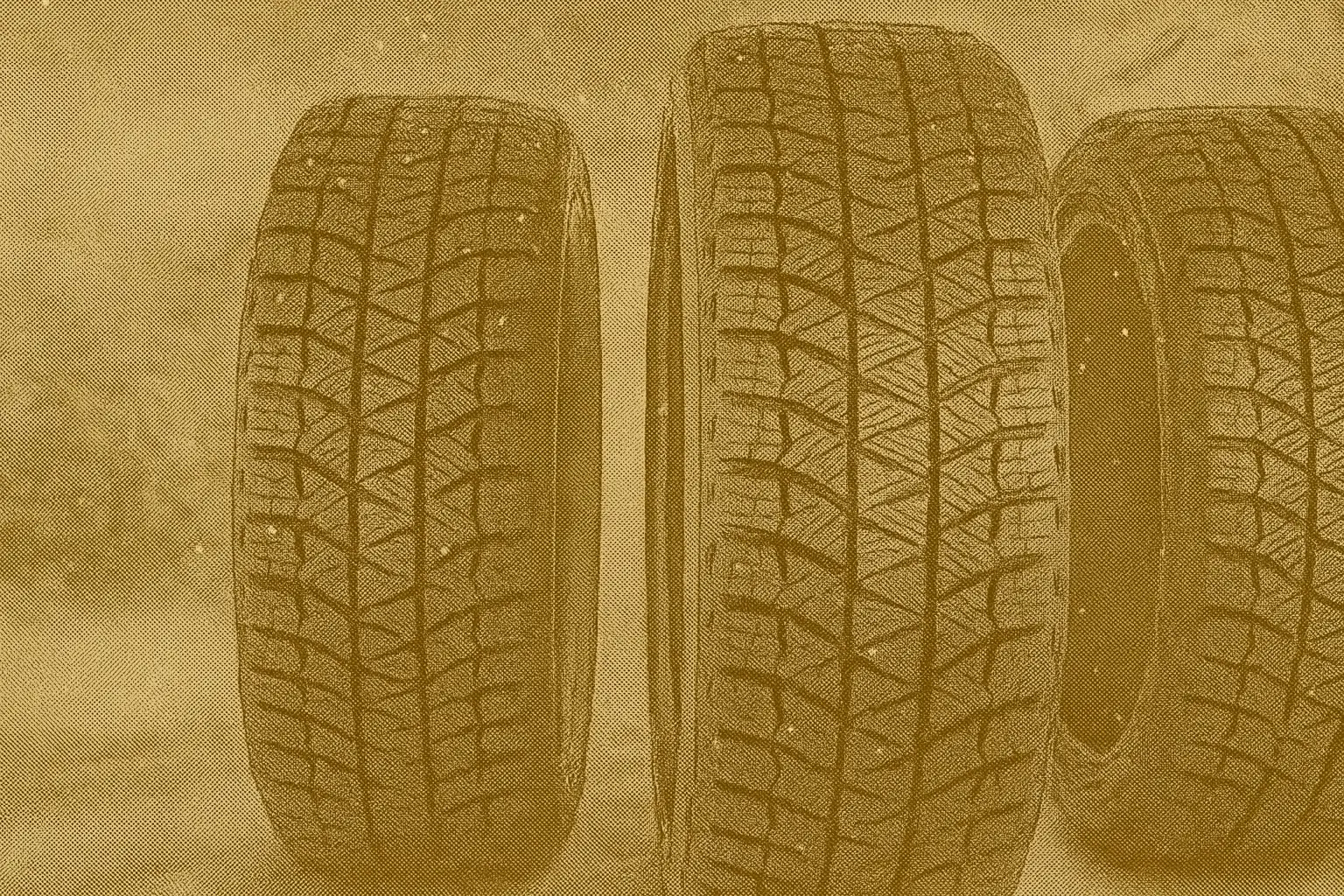
When searching for the best winter tires, think beyond just snow performance. The right tire balances ice traction, slush evacuation, cold-weather flexibility, and — crucially — stopping power when it matters most. Whether you're navigating downtown Toronto's icy streetcar tracks or climbing British Columbia's mountain passes, knowing what features matter most will help you choose wisely.
And after you choose your tires, make sure to pick up some essential winter car accessories — things like a winter car emergency kit checklist, booster cables, and a proper snow brush — to complete your cold-weather setup.
Understanding Canadian Winter: More Than Just Snow
Before diving into specific tire recommendations, it's crucial to understand the diverse and often extreme conditions our roads present. Canadian winter driving isn't a one-size-fits-all challenge; it's a spectrum of hazards.
The Diverse Canadian Road Conditions
Atlantic Canada (Maritimes): Often characterized by freeze-thaw cycles, freezing rain, and coastal winds. Tires need excellent slush management and grip on wet ice.
Central Canada (Ontario, Quebec): Experiences everything — extreme cold snaps, heavy snowfall, black ice, and notorious temperature swings. Versatility, ice traction, and snow performance are paramount.
The Prairies (Alberta, Saskatchewan, Manitoba): Known for sustained extreme cold, often reaching -30°C to -40°C. Deep snow and icy highways are common. Maximum cold-weather flexibility is non-negotiable.
British Columbia (Coastal): Milder winters with wet snow and rain, but mountain regions demand serious winter performance. Focus shifts between waterproofing grip and alpine capability.
Northern Territories & Arctic: The ultimate test. Sustained extreme cold, ice roads, and remote conditions. Tires for these regions need expedition-grade performance.
Understanding your local conditions is the first step in choosing the right tire. A tire perfect for Victoria's occasional snow might leave you stranded on a Winnipeg highway.
If you’re planning a ski trip, cross-country road adventure, or a visit to some of the best winter destinations in Canada, choosing the right tires becomes even more important — especially when you’re driving unfamiliar, icy roads.
Key Features of a Great Canadian Winter Tire
When evaluating winter tires, consider these critical components:
1. Rubber Compound
This is what keeps your tires flexible in freezing temperatures.
- Temperature Range: Winter tire compounds stay pliable below 7°C, while all-seasons harden like hockey pucks
- Silica Content: Modern winter tires use high silica content for better wet and cold grip
- Glass Transition Temperature: The point where rubber becomes brittle — quality winter tires maintain flexibility well below -30°C
2. Tread Design
Your tire's ability to bite into snow and channel away slush.
- Directional vs. Symmetrical: Directional patterns (V-shaped) excel at evacuating slush; symmetrical offers quieter rides
- Tread Depth: New winter tires typically have 10-12/32" depth; replace at 4-5/32"
- Void Ratio: The space between tread blocks — more void means better snow traction but more noise
3. Siping Technology
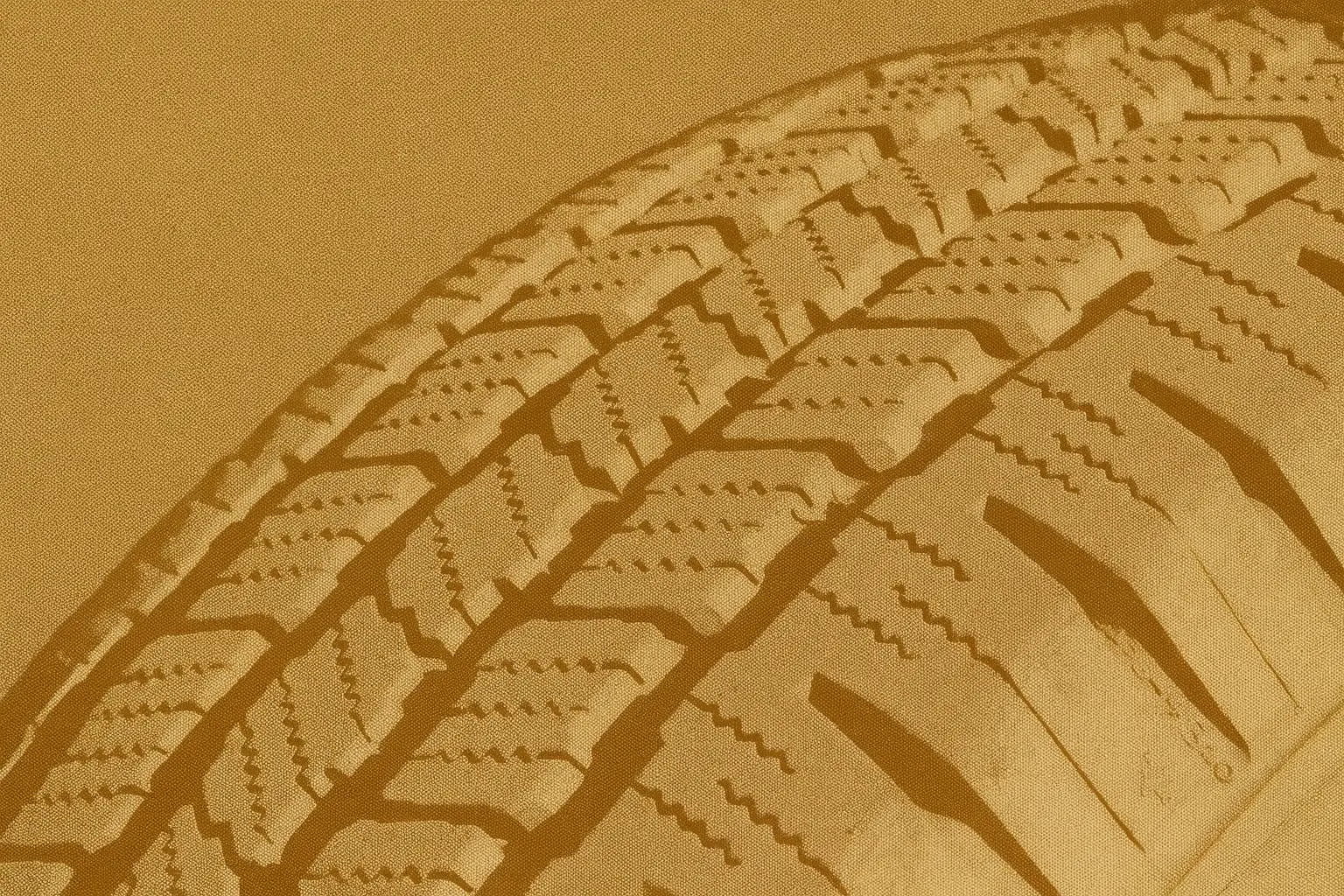
Those tiny cuts that provide ice grip.
- 3D Siping: Zigzag cuts that lock together under pressure for better stability
- Density: Premium tires have 1000+ sipes providing thousands of biting edges
- Full-Depth Siping: Maintains performance as the tire wears
4. Ice Traction Features
Your defense against Canada's most dangerous road hazard.
- Micro-Bit Technology: Some tires incorporate walnut shells or volcanic ash for ice grip
- Stud Compatibility: Pre-molded holes for optional studs in provinces where legal
- Arctic Grip Compounds: Specialized rubbers that remain sticky on ice
If black ice is your nemesis, prioritize winter tires with advanced ice technologies — look for models featuring specialized compounds or built-in grip enhancers. Many of the best tires for ice use innovative materials that grip even when temperatures plummet.
5. Construction Quality
Winter tires endure punishment from cold, salt, and rough roads.
- Sidewall Flexibility: Must handle impacts from frozen potholes without cracking
- Belt Construction: Steel belts provide stability; some use aramid for weight savings
- Bead Construction: Quality beads ensure proper seal in extreme cold
6. Performance Ratings
Understanding the numbers and symbols.
- Three-Peak Mountain Snowflake (3PMSF): Mandatory symbol for true winter performance
- M+S (Mud and Snow): Outdated designation; not sufficient for Canadian winters
- Speed Rating: Most winter tires rated T (190 km/h) or H (210 km/h)
- Load Index: Ensure it matches or exceeds your vehicle's requirements
How to Choose the Best Winter Tires for Your Canadian Lifestyle
Your daily commute and local climate are the biggest determinants of the "best" tire for you.
For Urban Commuters and City Driving
If your winter involves navigating city streets, highway commutes, and occasional suburban snow, you need a tire that balances ice performance, noise levels, and wet traction.
Key Features: Excellent ice braking, low road noise, good slush evacuation, and responsive handling on cleared roads. Fuel efficiency is often a consideration.
Examples: Look for touring winter tires that offer quiet operation without sacrificing safety. Models with optimized tread patterns reduce cabin noise.
Recommendation: Consider versatile options like the Michelin X-Ice Snow or Continental VikingContact 7 that excel in mixed conditions.
If you’re often walking on the same icy sidewalks you’re driving beside, our guide to the best winter boots for ice traction pairs nicely with a tire setup focused on ice braking performance.
For Rural and Highway Warriors
For those covering serious kilometers on Trans-Canada highways, secondary roads, and dealing with unplowed conditions, durability and deep snow performance take priority.
Key Features: Aggressive tread patterns, excellent snow traction, stability at highway speeds, and long tread life. Wind resistance and tracking stability matter.
Examples: Look for tires with reinforced construction and deeper tread depths. These often feature more aggressive shoulder blocks.
Recommendation: The Bridgestone Blizzak WS90 or Yokohama iceGUARD G075 deliver the highway confidence you need.
Think of it like footwear: just as you’d pick the best winter boots in Canada based on whether you’re walking city sidewalks or rural roads, you should match your tire choice to your daily driving reality.
For Performance Enthusiasts
Driving a BMW, Audi, or sport sedan? You need tires that maintain handling precision while providing winter safety.
Key Features: Higher speed ratings, responsive steering feel, shorter braking distances, and maintained dry road performance. Often available in low-profile sizes.
Examples: Performance winter tires with asymmetric patterns that balance snow/ice grip with cornering stability.
Recommendation: Consider the Continental WinterContact TS860 S or Pirelli Scorpion Winter for maintaining that connected feel.
For SUVs and Light Trucks
Heavier vehicles need specialized tires to handle extra weight and maintain stability.
Key Features: Higher load ratings, reinforced sidewalls, aggressive tread for off-road capability, and optimized for vehicle weight distribution.
Examples: SUV-specific winter tires with stiffer construction to prevent excessive roll and maintain handling.
Recommendation: The Goodyear WinterCommand series or Firestone Winterforce 2 UV are built for larger vehicles.
Dialing in your winter setup from head to toe — from the best socks for winter boots in Canada to the right rubber on your car — makes winter driving days a lot less miserable.
Quick Comparison Table: Best Winter Tires in Canada (2025)
| Tire Model | Best For | Ice Rating | Snow Rating | Noise Level | Tread Life | Price Range | Studdable |
|---|---|---|---|---|---|---|---|
| Michelin X-Ice Snow | Best Overall Winter Tire | 9.5/10 | 9/10 | Very Quiet | 60,000 km | $$$ | No |
| Bridgestone Blizzak WS90 | Best for Ice | 10/10 | 8.5/10 | Moderate | 50,000 km | $$$ | No |
| Continental VikingContact 7 | Best for Mixed Conditions | 9/10 | 9/10 | Quiet | 55,000 km | $$$ | No |
| Yokohama iceGUARD G075 | Best for SUVs | 8.5/10 | 9.5/10 | Moderate | 65,000 km | $$ | No |
| Goodyear WinterCommand Ultra | Best Highway Performance | 8.5/10 | 9/10 | Quiet | 55,000 km | $$ | No |
| Firestone Winterforce 2 | Best Value | 7.5/10 | 8.5/10 | Louder | 45,000 km | $ | Yes |
| Nexen Winguard Winspike 3 | Best Budget Studdable | 8/10* | 9/10 | Loud | 40,000 km | $ | Yes |
| Cooper Discoverer True North | Best for Deep Snow | 8/10 | 9.5/10 | Moderate | 50,000 km | $$ | No |
| Michelin CrossClimate2 | Best All-Weather Option | 7/10 | 7/10 | Very Quiet | 95,000 km | $$$ | No |
*With studs installed
Top Picks: The Best Winter Tires in Canada (2025 Edition)
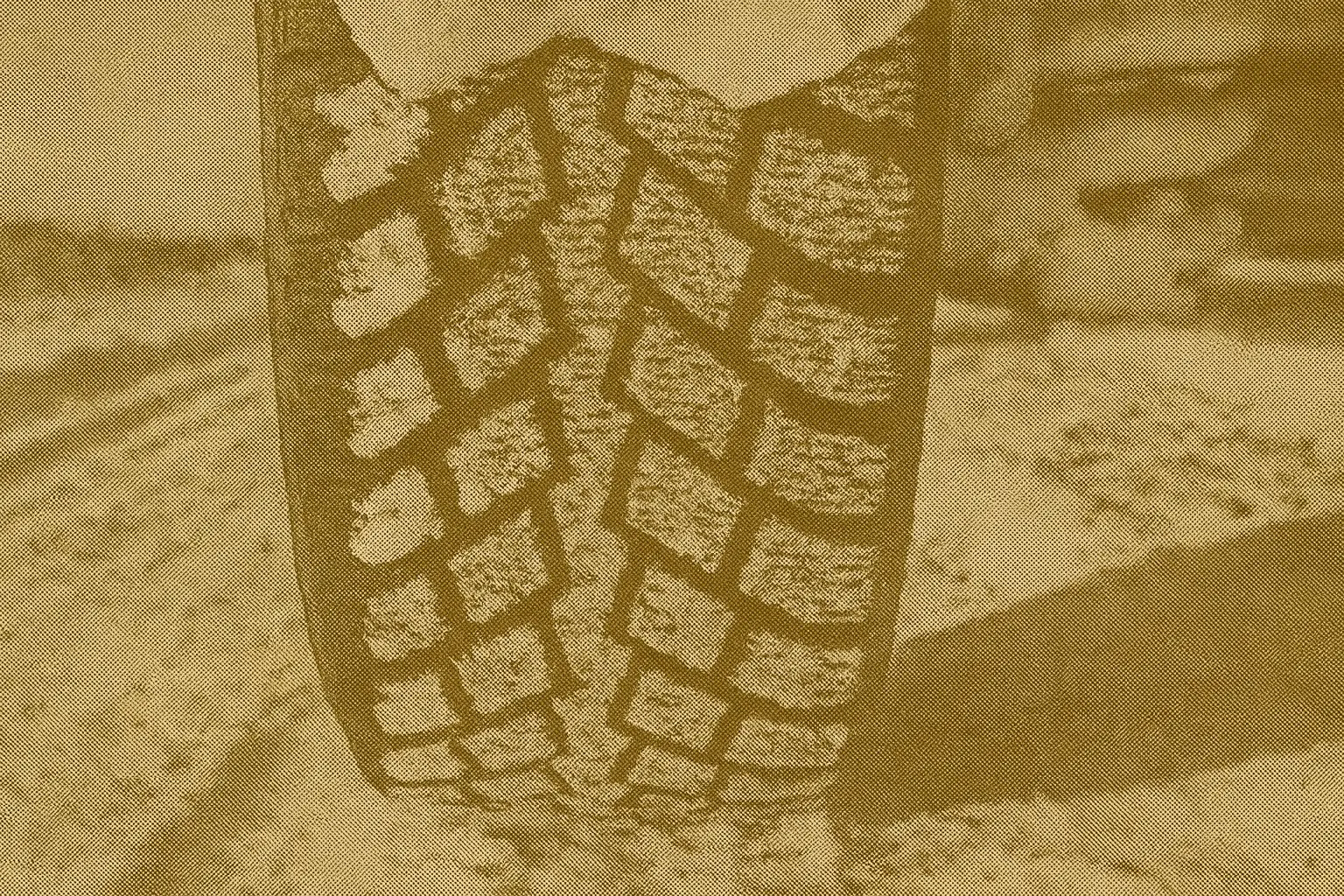
While specific models evolve yearly, certain tires consistently deliver for Canadian winters. Here are categories to guide your search.
Best Winter Tires for Cars
Passenger car tires need to balance comfort, efficiency, and winter capability.
Considerations: Look for options with low rolling resistance, quiet operation, and excellent ice braking. Many sedans benefit from touring-oriented winter designs.
Top Pick: The Michelin X-Ice Snow (215/50R17 95H) delivers exceptional ice performance with minimal road noise, making it perfect for daily commuters.
Runner-Up: Continental VikingContact 7 (215/50R18XL 96T) offers German engineering with excellent wet and ice traction.
Budget Option: Zeta Antarctica Ice MS (195/65R15 95T XL) provides surprising performance at an entry-level price point.
Best Winter Tires for SUVs and Crossovers
SUVs require tires that handle extra weight while maintaining stability.
Considerations: Higher load ratings, reinforced construction, and optimized tread patterns for heavier vehicles are essential.
Top Pick: Yokohama iceGUARD G075 (235/65R17) specifically engineered for SUV weight distribution with excellent snow clearing.
Performance Pick: Continental WinterContact TS860 S (275/40R21 107V XL) for luxury SUVs demanding both performance and safety.
Value Pick: Firestone Winterforce 2 UV (225/65R17 102S) delivers reliable SUV performance without breaking the bank.
Best Studdable Winter Tires
For extreme ice conditions where studs are legal and necessary.
Considerations: Pre-drilled stud holes, reinforced tread base, and aggressive patterns work with studs for maximum ice grip.
Top Pick: Nexen Winguard Winspike 3 (235/65R17 104T) offers excellent stud retention and ice performance when studded.
Budget Option: Firestone Winterforce 2 series comes stud-ready at an affordable price point.
Best Performance Winter Tires
For sports cars and performance vehicles that can't compromise handling.
Considerations: Higher speed ratings, asymmetric patterns, and compounds that balance cold grip with dry road feel.
Top Pick: Continental WinterContact TS860 S maintains that connected steering feel enthusiasts demand.
Exotic Pick: Pirelli Scorpion Winter (295/35R21 107V XL) for high-performance SUVs and sport sedans.
Best Budget Winter Tires
Quality winter safety without premium pricing.
Considerations: Focus on core winter performance rather than refinement. These tires may be louder but still provide essential safety.
Top Pick: Firestone Winterforce 2 (205/60R16 92S) delivers reliable winter traction at an accessible price.
Small Car Special: Zeta Antarctica Ice MS offers compact car drivers serious winter capability under $100 per tire.
Essential Accessories and Care Tips for Winter Tires
Your tires are only part of the equation. Proper accessories and maintenance extend their life and enhance your safety.
The Right Pressure Makes All the Difference
Cold weather causes tire pressure to drop approximately 1 PSI for every 5°C temperature decrease.
- Check Weekly: Winter requires more frequent pressure checks
- Cold Inflation: Always check pressure when tires are cold
- Don't Overinflate: Follow manufacturer specifications, not the tire's maximum
Recommendation: Invest in a quality digital tire pressure gauge for accurate readings.
Emergency Traction Aids
Even the best winter tires can benefit from backup traction.
Tire Chains/Cables: The Auto Tightening Snow Chains (ALN130) offer 1-minute installation for emergency situations.
Traction Mats: Keep a set in your trunk for getting unstuck from deep snow.
Sand/Kitty Litter: Weight over the drive wheels plus emergency traction material.
If you do a lot of late-night or highway driving, keeping a warm layer in the car is smart too — we’ve rounded up some of the best heated blankets in Canada that can double as backup warmth in an emergency.
Winter Tire Storage
Proper off-season storage extends tire life significantly.
- Clean Thoroughly: Remove salt and brake dust before storage
- Store Upright: If on rims, hang them; if not, stand them upright
- Climate Control: Cool, dry location away from sunlight
- Bag Them: Large garbage bags prevent rubber deterioration
Recommendation: Consider tire storage bags and a tire rack for organized storage.
Rotation and Maintenance
- Rotate Every 8,000-10,000km: Ensures even wear
- Alignment Check: Salt and potholes can throw alignment off
- Visual Inspections: Check for cuts, bulges, or uneven wear patterns
Troubleshooting Common Winter Tire Issues
Even with quality tires, problems can arise. Here's how to address them:
Poor Ice Traction
- Check Tread Depth: Below 5/32" significantly reduces ice grip
- Verify Temperature Rating: Some tires perform poorly below -25°C
- Consider Studs: In legal areas, studs provide ultimate ice traction
Excessive Road Noise
- Normal for Winter: Aggressive treads are inherently louder
- Check Pressure: Under-inflation increases noise
- Rotation Pattern: Improper rotation causes irregular wear and noise
Vibration at Highway Speeds
- Balance Issues: Winter wheels often need rebalancing mid-season
- Snow Buildup: Ice and snow in wheels causes imbalance
- Alignment: Pothole damage requires immediate alignment check
Rapid Tread Wear
- Temperature Abuse: Running winter tires above 7°C accelerates wear
- Aggressive Driving: Hard acceleration/braking wears tread quickly
- Improper Pressure: Both under and over-inflation cause premature wear
Where to Buy Your Winter Tires in Canada
Canada offers excellent retailers for winter tires, each with unique advantages.
In-Store
Costco: Member pricing, installation included, road hazard warranty. Limited brand selection but excellent value.
Canadian Tire: Widest selection, frequent sales, Triangle Rewards. Often busy during peak season.
Kal Tire: Western Canada focused, extensive testing data, professional expertise. Premium service and pricing.
OK Tire: Independent dealers, personalized service, competitive pricing. Quality varies by location.
Fountain Tire: Strong warranty programs, wide coverage, fleet services available.
Online
Amazon.ca: Vast selection, customer reviews, competitive pricing. Requires separate installation arrangement.
PMCtire.com: Quebec-based, excellent prices, ships nationwide. Strong customer service.
1010Tires.com: Toronto-based, price match guarantee, mobile installation available in some areas.
TireButler.ca: Storage and changeover services in major cities. Convenient but premium priced.
Installation Considerations
- Book Early: October-November appointments fill quickly
- Package Deals: Tire + steel wheel packages often save money long-term
- Mobile Installation: Growing option in urban areas for convenience

Conclusion: Drive Confidently Through Canadian Winter
Choosing the best winter tires for Canadian roads is an investment in your safety, peace of mind, and ability to maintain your life regardless of weather. By understanding the diverse challenges of our climate and focusing on key features like ice traction, snow performance, and cold-weather flexibility, you can make an informed decision.
Remember to match your tires to your driving patterns, consider essential accessories like emergency chains, and practice proper maintenance. Whether you're navigating prairie blizzards, coastal slush, or urban ice, the right set of winter tires will ensure you arrive safely at your destination. Don't wait for the first snowfall — prepare now and drive with confidence all winter long!
Frequently Asked Questions About Winter Tires in Canada
When should I install winter tires in Canada?
Install winter tires when temperatures consistently drop below 7°C, typically mid-October to early November depending on your province. Don't wait for snow — cold temperatures alone reduce all-season tire performance significantly.
Are winter tires mandatory in Canada?
Quebec mandates winter tires from December 1 to March 15, with fines up to $300. British Columbia requires them on certain highways. Other provinces strongly recommend them, and many insurance companies offer 2-5% discounts for winter tire use.
What's the difference between all-weather and winter tires?
Winter tires are optimized purely for cold weather with softer compounds and aggressive treads, lasting 4-5 seasons. All-weather tires like the Michelin CrossClimate2 compromise year-round usability with moderate winter capability, lasting 6-7 years but with reduced extreme weather performance.
How much should I budget for winter tires?
Expect $100-250 per tire depending on size and quality, plus $60-100 for installation. A complete set with basic steel wheels typically runs $800-1,500. Premium tires with alloy wheels can exceed $2,000 but often last longer and perform better.
Can I use just two winter tires?
Never install just two winter tires — this creates dangerous handling imbalances. Whether your vehicle is front, rear, or all-wheel drive, all four tires must be winter-rated for safe, predictable handling on snow and ice.