
Based on coverage from The Star and Lethbridge News Now.
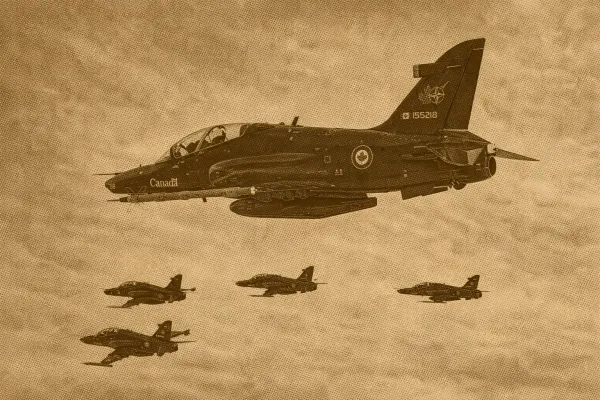
The Royal Canadian Air Force (RCAF) is in the midst of a significant transformation, led by Commander Lt.-Gen. Jamie Speiser-Blanchet. In just six months on the job, she has overseen efforts to modernize the fleet and address ongoing personnel shortages. The changes are part of a broader 20-year modernization project that aims to equip the RCAF with advanced capabilities.
Modernization of RCAF Fleets Underway
The RCAF is replacing its aging Aurora marine patrol fleet with new P-8 Poseidons and introducing CC-295 Kingfisher search-and-rescue aircraft. Aerial drone capabilities are also being expanded with the addition of MQ-9B SkyGuardians. The most high-profile update is the transition from the old F-18 fighter jets to the modern F-35s. By next year, Canadian pilots will begin training on the F-35s at Luke Air Force Base in Arizona.
F-35 Acquisition Sparks Political Debate
The Liberal government's plan to acquire 88 F-35s has sparked considerable political debate. Currently, Ottawa has committed to purchasing only 16 of these jets. Speiser-Blanchet has chosen to focus on the transition from the F-18s to the F-35s, avoiding the political fray surrounding the full fleet acquisition. The RCAF is also set to replace its CC-150 Polaris tankers with CC-330 Huskies and update its VIP transport Challengers.
Addressing Personnel Shortages and Organizational Changes
Personnel shortages remain a significant challenge for the RCAF. The number of experienced staff in key positions has decreased, and new capabilities will require additional personnel. Speiser-Blanchet emphasizes the importance of innovative recruitment and training strategies to increase personnel intake and retain experienced members. The RCAF is also considering adjustments to its organizational structure and deployment strategies over the next year.
Embracing Drone Technology and Cybersecurity Challenges
The RCAF is adapting to the future of aerial combat, where drones will operate alongside crewed aircraft. Speiser-Blanchet sees potential in rapidly developing drone technology, which could enhance the RCAF's capabilities at a lower cost. Additionally, the force is contending with cybersecurity threats, including online disinformation and cyberattacks. Speiser-Blanchet highlights the need for the military to educate Canadians about evolving national security threats.
The RCAF's modernization efforts reflect a response to changing global threat dynamics. As Canada navigates this new era of great power competition, the military's role in national security is more crucial than ever.
Coverage was consistent across the sources provided, with both outlets reporting on the Royal Canadian Air Force's modernization efforts and personnel challenges. No meaningful differences in coverage were found across the sources provided.