
Based on coverage from The National Post and The Jerusalum Post.
Montreal Woman Faces Passport Controversy
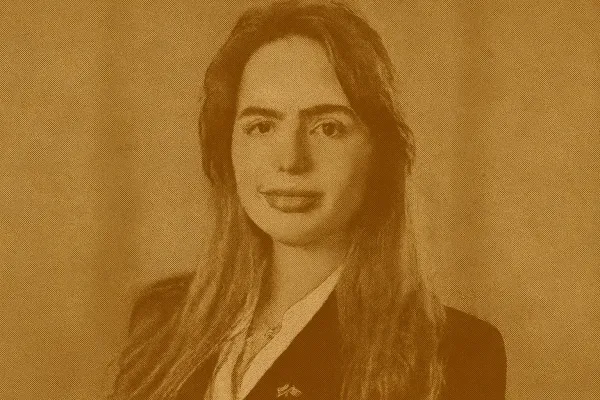
In a recent incident at a Montreal passport office, Anastasia Zorchinsky, an Israeli-born Canadian citizen, was allegedly told she could not list Israel as her place of birth on her Canadian passport. According to Zorchinsky, the passport office staff cited a new federal policy due to the "political conflict" surrounding Israel. This unexpected encounter left her questioning the basis of such a policy and sparked a broader conversation about the intersection of politics and identity in official Canadian documents.
Zorchinsky, who founded Start-Up Nation Montreal, shared her experience in a video statement on social media. She recounted being informed that Kfar Saba, her birth city, could not be paired with Israel on her passport. Instead, she was told that cities like Jerusalem could be labeled as part of "Palestine," following Canada's recognition of a Palestinian state. This assertion was not backed by any written policy, leading Zorchinsky to challenge the decision.
Support The Canada Report and help keep it ad-free and independent — click here before you shop online . We may receive a small commission if you make a purchase. Your support means a lot — thank you.
Conflicting Accounts and Legal Concerns
The situation took a turn when Zorchinsky demanded to see the policy supporting the staff's claims. Initially, the passport office employees insisted on the restriction, but after further questioning, they relented and allowed her to list Israel as her birthplace. This inconsistency has raised questions about the clarity and legality of the supposed policy.
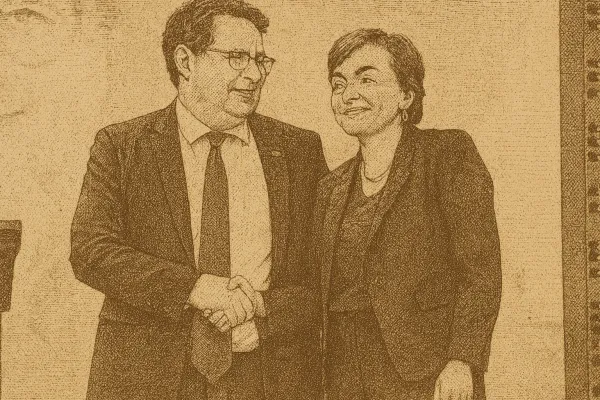
Zorchinsky's lawyer, Neil Oberman, has been vocal about the incident, describing it as discriminatory. He has reached out to Service Canada's Passport Program, demanding transparency and a review of the legality behind the explanations given to his client. Oberman emphasized that passports should remain apolitical, serving as instruments of identity and equality. He criticized the lack of clear policy documentation and called for better training for passport office employees.
Official Response and Broader Implications
In response to the controversy, Jeffrey MacDonald, a communications advisor for Immigration, Refugees and Citizenship Canada, stated that no changes have been made to the passport issuance policy for individuals born in Israel. He confirmed that Kfar Saba can be printed in Canadian travel documents with Israel as the country of birth. Despite this official stance, the incident has highlighted potential gaps in staff training and communication within the passport office.
The case has garnered attention from the Center for Israel and Jewish Affairs, which has contacted the federal government to address what it calls an "unacceptable" situation. The organization stressed the importance of ensuring that all Canadians can access government services without facing political bias or discrimination.
Zorchinsky's experience underscores the need for clarity and consistency in government policies, especially when they intersect with sensitive geopolitical issues. As she continues to advocate for transparency and fairness, her case serves as a reminder of the importance of standing up against perceived injustices, ensuring that no one else faces similar challenges when asserting their identity.