
Based on coverage from CBC, Winnipeg Free Press, CJME, The Western Producer, and CJWW Radio.
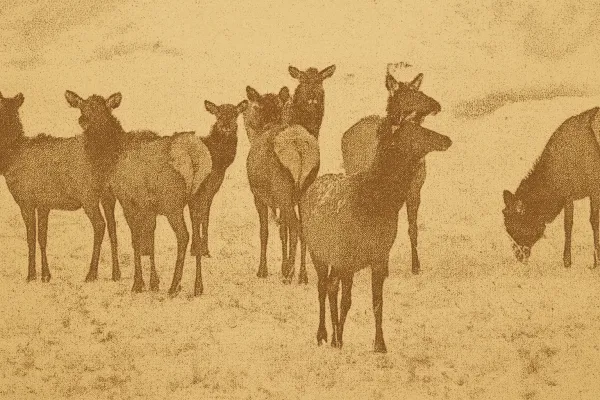
Saskatchewan is giving farmers a new tool to deal with large elk herds that are tearing through crops and livestock feed: depredation permits that allow elk to be shot outside the regular hunting season.
The introduction of elk depredation permits comes as Saskatchewan continues to invest in agricultural resilience, as evidenced by the recent allocation of $9.7 million for crop research aimed at boosting innovation in the sector, detailed in a previous report.
Environment Minister Darlene Rowden and Agriculture Minister David Marit announced the plan in Regina on March 10, saying the province hears from several hundred producers each year about damage ranging from trampled and eaten crops to feed being raided. Some herds are reported to be 300 to 400 animals.
Saskatchewan elk depredation permits start 2027
The permits are set to run from Jan. 15 to March 31, 2027. (One report describes them as being available “next year,” but the dates given across coverage point to 2027.)
Eligible landowners will be able to apply for up to eight permits, or tags, each. The tags are meant to be used only on the specific land where elk have caused damage. Rowden said the goal is to break up big herds and push them out of problem areas, offering relief while longer-term fixes like fencing are put in place.
Rowden also said the elk meat must be harvested and used, not wasted.
How Saskatchewan farmers qualify for elk tags
The program is tied to Saskatchewan Crop Insurance Corporation (SCIC) processes. Farmers will apply through crop insurance channels, and eligibility hinges on a history of proven, significant elk damage. Marit added that producers do not have to be enrolled in crop insurance to apply.
The province says SCIC will also work with producers on mitigation steps such as fencing. Rowden’s message was that these tags are not meant to be handed out with no strings attached: prevention efforts are part of the deal.
There is no overall cap on how many producers can apply, but the limit stays at eight tags per landowner. If the producer is not a hunter, a family member or friend can be designated to remove the elk, as long as that person is a Saskatchewan resident and can legally hold a hunting licence.
Another detail that’s raising eyebrows: information on who receives the permits will not be released, and the province will not use the HAL licensing system to issue them. Tags will be handled through SCIC field offices.
Where elk damage is worst in Saskatchewan
Marit stressed this is targeted, because elk are not a major problem everywhere in the province. Coverage points to hot spots in east-central Saskatchewan and in the northwest of Prince Albert.
Farmers and municipal leaders have been pressing for action. Saskatchewan Association of Rural Municipalities (SARM) president Bill Huber said elk damage is getting worse as populations grow, and he pegged annual crop losses at “hundreds of thousands of dollars.”
Saskatchewan Wildlife Federation raises privatization concerns
The Saskatchewan Wildlife Federation (SWF) says it’s worried the plan edges toward privatizing wildlife. Executive director Todd Smith questioned what happens to unused tags if a landowner doesn’t need all eight, warning they could be sold or misused, including through illegal outfitting.
As farmers prepare for the new elk depredation permits in 2027, those interested in outdoor activities might also want to plan ahead for camping in national parks, with reservations for sites in Jasper and Alberta opening soon. For more information on booking your camping trip, visit Parks Canada Camping Reservations.
Smith also said the announcement came as a surprise and that the federation had no chance to consult ahead of time, despite existing forums like the government’s Wildlife Advisory Committee.
Beyond process, SWF says there are unanswered questions: what threshold of damage qualifies, how the province will measure success, and what population goals it’s trying to hit. Smith also argued Saskatchewan hasn’t yet assessed results from a recent added hunt for antlerless elk last fall, which targets mostly female elk and is generally seen as a way to reduce herd growth.
What happens next for elk management
Rowden said she understands hunters generally dislike depredation permits and that she isn’t thrilled either, but she argues the scale of damage left the province needing another option. After the 2027 season, Saskatchewan plans to evaluate how the program worked and decide what comes next for elk management, fencing, and future permit use.
Support Independent Canadian News Analysis
The Canada Report is supported by readers like you. If this article helped you understand what’s happening, you can support our work with a one-time tip.
Support The Canada Report