
Heads up: some of the links in this post are affiliate links. That means if you click and purchase, we may get a commission. It’s how we keep this site running without cluttering it with ads.
Last updated on January 5, 2026
Table of Contents
The tinsel has been packed away, the last of the turkey has been eaten, and your once-glorious real Christmas tree is starting to look a little tired. Those needles carpeting your floor are a daily reminder that the holidays are over — but where can you recycle your Christmas tree and what's the best way to dispose of it?
Every January, millions of Canadians search for "Christmas tree recycling near me" and wonder about the best eco-friendly Christmas tree disposal options. Simply dragging it to the curb might seem easiest, but your real Christmas tree has more potential than you might think. From free city Christmas tree recycling programs that turn trees into park mulch to creative DIY Christmas tree projects that benefit local wildlife, there are numerous ways to give your tree a second life.
Whether you're looking for the most convenient Christmas tree disposal method, want to try a weekend Christmas tree craft project, or simply want to find sustainable Christmas tree recycling options, this guide covers everything you need to know about what to do with your real Christmas tree in Canada. We'll walk through free municipal recycling programs across different provinces, creative outdoor reuse ideas that support your garden and local birds, indoor DIY Christmas tree projects for the hands-on crowd, and important safety tips to keep in mind.
By the end, you'll have a clear plan for your tree that fits your lifestyle — and you might even look forward to this annual task.
Why Proper Christmas Tree Disposal Matters
Before diving into how to recycle your Christmas tree, it's worth understanding why proper disposal matters.
Environmental Impact: Real Christmas trees are a renewable, biodegradable resource, but only if they're handled properly through recycling or reuse. When trees end up in landfills, they decompose anaerobically (without oxygen), producing methane — a greenhouse gas significantly more potent than carbon dioxide. Eco-friendly Christmas tree disposal through recycling or repurposing prevents this waste and often creates useful byproducts like mulch, compost, or habitat materials.
Community Benefits: Many municipal Christmas tree recycling programs convert your tree into wood chips that beautify parks, hiking trails, and public gardens throughout the year. In Toronto alone, the city's free Christmas tree recycling program typically diverts thousands of trees from landfills annually, turning them into mulch used across city properties.
Wildlife Support: When repurposed thoughtfully, old Christmas trees provide shelter for birds during harsh winter months, create fish habitats in lakes and ponds, or offer enrichment for farm animals.
Practical Considerations: Dead, dry Christmas trees are also a significant fire hazard if left indoors too long. The sooner you address your real Christmas tree disposal, the safer your home.
With that context in mind, let's explore your options for where to recycle your Christmas tree and how to do it responsibly.
Related: Read our guide on the best boots for Canadian winters here.
How to Recycle Your Christmas Tree: Free & Eco-Friendly Disposal Options in Canada
Searching for "Christmas tree recycling near me"? For most Canadians, free municipal recycling or drop-off programs offer the simplest, most environmentally responsible solution for Christmas tree disposal. Here's how to recycle your real Christmas tree based on where you live in Canada.
Free Curbside Christmas Tree Pickup & Municipal Recycling Programs
Most major Canadian cities offer free curbside Christmas tree collection in early January, typically running for one to three weeks after New Year's Day. This is the most popular Christmas tree disposal method across the country.
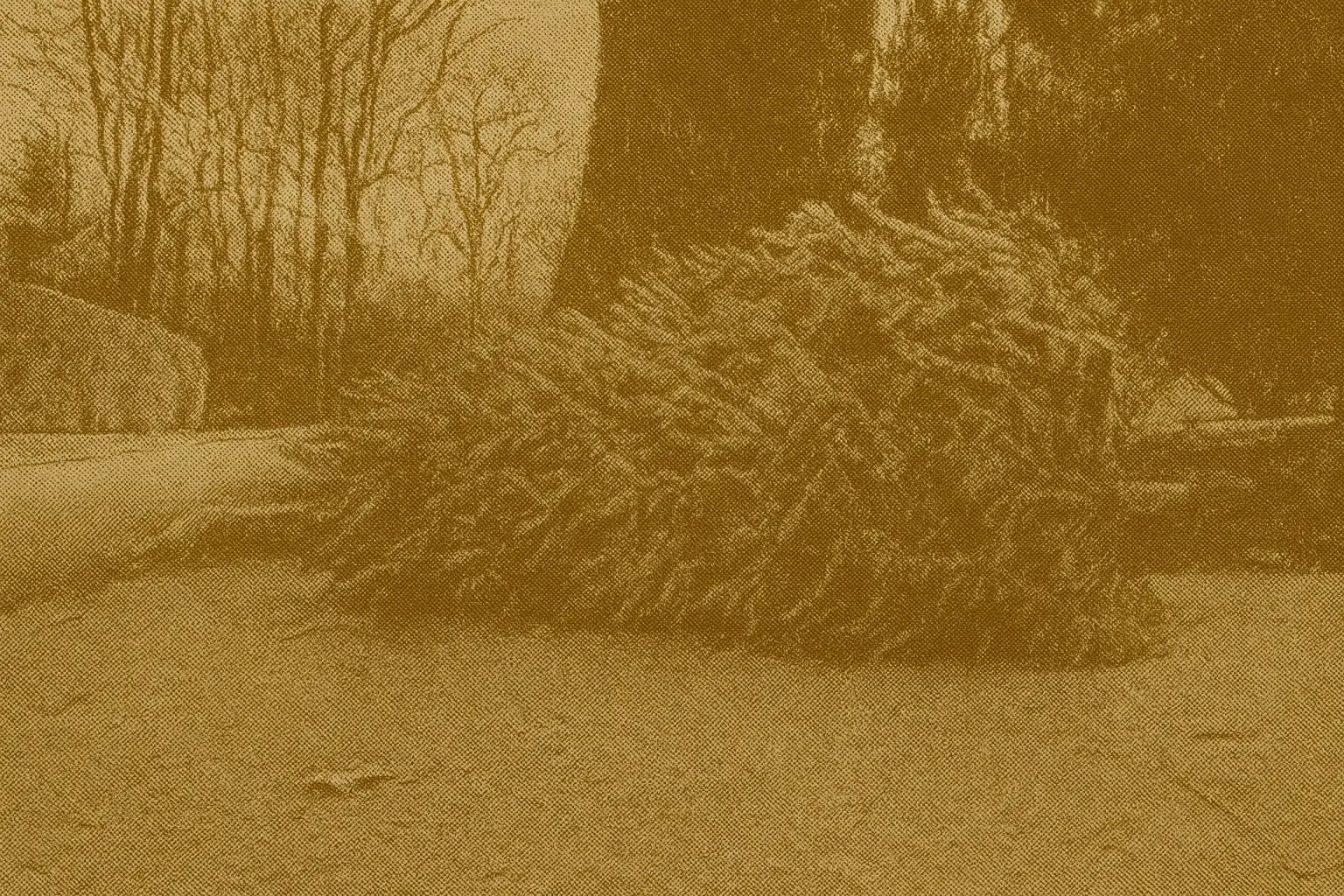
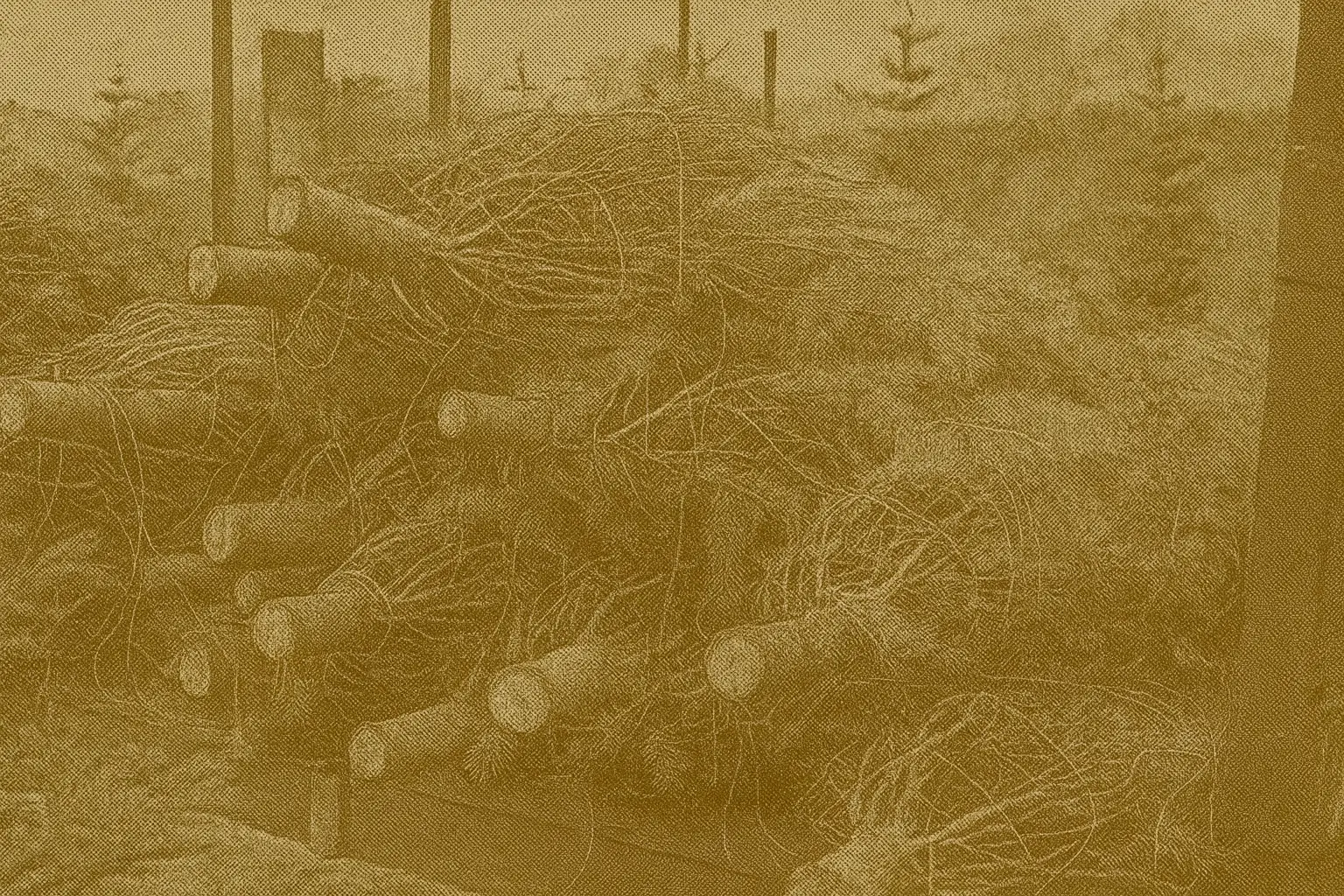
How Christmas Tree Recycling Works: Your real Christmas tree is collected separately from regular garbage or yard waste, then processed at a municipal facility. Trees are chipped into mulch or ground for compost, which is often made available to residents for free later in spring, or used in city parks and landscaping projects.
Common Rules for Free Christmas Tree Pickup Across Canadian Cities:
- Remove all decorations: Ornaments, tinsel, lights, garland, and tree stands must be removed. Even small hooks can damage processing equipment.
- No bags or wrapping: Most cities require trees to be placed loose at the curb. If you use a tree disposal bag for indoor cleanup and transport, remove it before putting the tree out.
- No flocked or artificial trees: Artificial snow, spray-on flocking, or fake trees cannot be composted and are not accepted in Christmas tree recycling programs.
- Size limits: Some municipalities require trees to be cut in half if they exceed a certain height (typically 6-8 feet), though this varies by city.
- Placement: Trees should be placed at the curb on your regular collection day during the designated week(s), separate from other waste.
Where to Recycle Your Christmas Tree: Check Your Municipality
Free Christmas tree pickup schedules and rules for recycling vary significantly across Canada:
- Toronto Christmas tree recycling: Typically runs collection in early to mid-January; trees left curbside on regular garbage days during designated collection weeks
- Vancouver Christmas tree disposal: Multiple drop-off depots rather than curbside pickup (see next section)
- Montreal Christmas tree recycling: Curbside collection during designated weeks in early January, trees can be cut into sections
- Calgary Christmas tree pickup: Both free curbside collection and community drop-off options available
- Halifax Christmas tree recycling: Curbside collection plus depot locations across HRM
- Ottawa, Edmonton, Winnipeg: Free curbside programs with varying collection dates
- Smaller municipalities: Many offer Christmas tree recycling through regional waste management facilities
Pro Tip: Before your tree comes down, check your city's website or waste collection app for exact Christmas tree pickup dates and requirements. Missing the collection window means waiting a full year or finding an alternative Christmas tree disposal method.
Helpful Products for Curbside Christmas Tree Disposal:
- Reusable tree disposal bags: Make indoor cleanup easier and protect floors from needles during transport. Look for heavy-duty versions with reinforced handles that can be reused year after year for Christmas tree disposal.
- Handheld vacuum: A compact, powerful vacuum specifically for quick needle cleanup makes the post-tree mess much more manageable. Essential for efficient real Christmas tree disposal.
Christmas Tree Drop-Off Depots & Tree-Cycling Programs
If you miss curbside collection or your municipality doesn't offer free Christmas tree pickup, drop-off depots provide a reliable alternative for how to recycle your Christmas tree.
Where to Find Christmas Tree Recycling Near Me:
- Municipal yard waste facilities: Most cities operate year-round composting sites that accept real Christmas trees in January
- Community centers and parks: Some neighbourhoods set up temporary tree collection points for free Christmas tree recycling
- Retailer programs: Home Depot Canada, certain garden centers, and scout groups sometimes run Christmas tree recycling fundraisers
- Conservation areas: Some provincial parks and conservation authorities operate drop-off locations
What Happens to Your Real Christmas Tree: Similar to curbside programs, trees collected at depots are chipped into mulch or processed for compost. Some Christmas tree recycling programs are run by local organizations as fundraisers, where they charge a small fee (typically $5-10) that supports community projects while providing eco-friendly Christmas tree disposal.
Preparation Requirements for Christmas Tree Recycling:
- Remove all decorations, stands, and tinsel completely
- Some depots require trees to be cut in half for easier processing
- Check if you need to stay within specific drop-off hours
- Confirm the depot accepts real Christmas trees (not artificial)
Helpful Tools for Christmas Tree Disposal:
- Basic hand saw or pruning saw: If you need to section your tree for recycling, a simple folding pruning saw makes quick work of fresh pine or spruce. Look for one with a comfortable grip and a blade suitable for green wood.
- Work gloves: Protect your hands from sap and sharp needles during Christmas tree disposal. Leather or synthetic palm gloves with good grip work well.
- Cargo liner or tarp: Protect your vehicle's interior from needles and sap during transport to Christmas tree recycling depots. A washable cargo liner designed for SUVs or trucks is a worthwhile investment if you haul yard waste regularly.
Donate Your Real Christmas Tree: Farms, Wildlife Centers & Conservation Programs
A lesser-known but increasingly popular eco-friendly Christmas tree disposal option is donating your tree to organizations that can use it for animal enrichment or habitat restoration.
Who Accepts Christmas Tree Donations:
- Farms and petting zoos: Goats, in particular, love nibbling on real Christmas trees. The needles provide nutrients and the act of stripping branches offers mental stimulation.
- Wildlife rehabilitation centers: Some facilities use Christmas trees to create natural environments for recovering animals.
- Fish and game associations: In certain regions, old Christmas trees are bundled and sunk into lakes or ponds to create fish habitats and spawning areas.
- Conservation authorities: Organizations managing natural areas sometimes use donated trees for erosion control or habitat structures.
How to Find Christmas Tree Donation Programs Near Me:
- Check local farming groups on social media (many farms advertise their need for real Christmas trees in January)
- Contact your regional conservation authority about Christmas tree recycling or donation programs
- Search "[your city] Christmas tree donation" or "where to recycle Christmas tree [your city]" to find active programs
- Check with local zoos or wildlife centers about seasonal collection
Important Considerations for Christmas Tree Donation:
- Trees should be completely free of decorations, tinsel, and artificial materials
- Flocked trees are not suitable for animal consumption or eco-friendly disposal
- Confirm acceptance before dropping off — not all facilities participate every year
Transport Tip: A vehicle cargo liner or old blanket protects your car's interior during transport to Christmas tree donation sites. Secure the tree properly to prevent it from shifting while driving.
Related: Read our guide on the best winter tires for Canadian winters here.
DIY Outdoor Christmas Tree Projects: Eco-Friendly Reuse Ideas
If you have outdoor space and a bit of DIY spirit, your real Christmas tree can serve several practical purposes in your yard and garden. These Christmas tree reuse projects are completely free and highly sustainable.

How to Turn Your Christmas Tree Into Mulch for Garden Beds
Real Christmas trees make excellent organic mulch once they're processed. The branches break down slowly, adding nutrients to soil while suppressing weeds and retaining moisture — a perfect eco-friendly Christmas tree disposal method that benefits your garden.
DIY Christmas Tree Mulch Project:
- Remove all needles: Spread a tarp under the tree and strip branches. Pine and spruce needles make excellent acid-loving plant mulch (perfect for blueberries, azaleas, and rhododendrons) or can be added to compost in moderation.
- Cut branches into sections: Use pruning shears or a hand saw to cut branches into 6-12 inch pieces for easy handling.
- Lay around plants: Spread branch pieces around garden beds, creating a 2-3 inch layer. They'll slowly break down over the growing season.
- Process the trunk: If you have a wood chipper, the trunk and larger branches can be chipped for finer mulch. Otherwise, let trunk sections dry for several months, then cut into smaller pieces for composting or future DIY Christmas tree projects.
Benefits of Christmas Tree Mulch:
- Free, organic mulch from your recycled Christmas tree
- Adds beneficial organic matter as it decomposes
- Helps regulate soil temperature and moisture
- Natural and aesthetically pleasing in winter garden beds
- Completely sustainable Christmas tree disposal
Helpful Tools for This Christmas Tree Recycling Project:
- Small electric wood chipper: If you process yard waste regularly, a compact residential chipper handles Christmas tree branches and makes useful mulch for ongoing garden needs. Look for models rated for branches up to 1.5-2 inches in diameter.
- Garden gloves: Heavy-duty gloves protect against needles and sap during this DIY Christmas tree project. Choose ones with good dexterity for handling smaller branches.
- Yard waste bags: Sturdy, reusable bags or compostable paper yard waste bags help organize and store materials until spring.
How to Turn Your Old Christmas Tree Into a Winter Bird Shelter
One of the simplest and most rewarding eco-friendly ways to reuse your Christmas tree is transforming it into a temporary winter shelter for birds. This popular DIY Christmas tree project supports local wildlife while providing natural Christmas tree disposal.
Winter Bird Habitat Setup:
- Position the tree: Prop your real Christmas tree upright in your yard, near a fence or building for stability, or lay it on its side in a sheltered corner. Secure it so winter winds won't blow it over.
- Add bird food: Hang bird feeders from branches, tuck suet cakes into the tree, or scatter birdseed around the base.
- Create natural cover: If possible, position the recycled Christmas tree near existing shrubs or evergreens to create a protected feeding station.
Benefits of a Christmas Tree Bird Habitat:
- Provides shelter from wind, snow, and predators during the coldest months
- Offers perching spots near food sources
- Supports local bird populations when natural food is scarce
- Creates an opportunity to observe winter birds up close
- Free and meaningful way to reuse your real Christmas tree
When to Remove Your Christmas Tree Bird Habitat: By late February or early March, as temperatures warm and the tree becomes brittle, you can cut it up for mulch or add it to your compost — completing the cycle of sustainable Christmas tree disposal.
Recommended Products for This DIY Christmas Tree Project:
- Bird feeders: Tube feeders for small seeds, platform feeders for larger birds, or hopper feeders for versatile use. Choose weather-resistant models designed for Canadian winters.
- Suet cakes: High-energy food that helps birds maintain body temperature in cold weather. Look for varieties without fillers or rendered beef fat that can spoil.
- Bird seed blends: Quality mixes designed for winter feeding, typically including black oil sunflower seeds, peanuts, and millet. Avoid cheap mixes with excessive filler seeds that birds discard.
Use Your Christmas Tree Trunk in the Garden: Easy DIY Projects
The trunk and thicker branches of your real Christmas tree can serve several functional roles in your garden throughout the growing season — an excellent way to extend the life of your tree beyond traditional Christmas tree disposal.
Practical DIY Christmas Tree Garden Projects:
- Natural garden edging: Cut the trunk into 12-18 inch sections and drive them partially into the ground to create rustic bed borders.
- Plant supports: Branches with natural forks make excellent stakes for tomatoes, peas, or other climbing plants.
- Row markers: Saw trunk sections into thin discs, write plant names on them with permanent marker, and use as organic garden labels.
- Trellis material: Longer branches can be fashioned into simple teepee trellises for beans or peas.
- Pathway edging: Lay trunk sections along garden paths for natural-looking borders that slowly break down.
Preparation for Garden Christmas Tree Projects:
- Let the trunk dry for several weeks to make cutting easier
- Remove all remaining needles and small branches
- For outdoor use, wood doesn't need sealing, but you can apply an outdoor wood sealant if you want pieces to last multiple seasons
Helpful Supplies for DIY Christmas Tree Garden Projects:
- Garden twine: Natural jute or biodegradable twine for securing plants to supports without damaging stems.
- Outdoor wood sealant (optional): If you want trunk sections to last 2-3 seasons as edging or markers, a clear, non-toxic wood sealer helps prevent rapid decomposition.
Related: Read our guide on the best snow shovels for Canadian winters here.
Indoor DIY Christmas Tree Crafts: Creative Reuse Projects
If outdoor projects aren't feasible or you enjoy crafting, your real Christmas tree can be transformed into useful household items or gifts. These indoor DIY Christmas tree projects provide creative alternatives to standard Christmas tree disposal.
How to Make Christmas Tree Coasters: Easy DIY Wood Slice Project
Real Christmas tree trunk slices make beautiful, rustic coasters, trivets, or decorative pieces — and they're surprisingly simple to make. This popular DIY Christmas tree craft turns what would be waste into functional home décor.
How to Make Wood Coasters From Your Christmas Tree:
- Cut the trunk: Using a hand saw or miter saw, cut the trunk into 1/2 to 3/4-inch slices. Cut as evenly as possible for stability.
- Dry the slices: Let them dry for 1-2 weeks in a warm, dry location. They may crack slightly as they cure — this adds character to your DIY Christmas tree coasters.
- Sand smooth: Use medium-grit sandpaper (120-150 grit) to smooth both sides and edges, then finish with fine-grit (220) for a polished feel.
- Seal the wood: Apply 2-3 coats of clear wood sealer, polyurethane, or food-safe mineral oil, allowing each coat to dry completely. This prevents moisture damage and makes coasters functional.
- Optional finishing touches: Add felt pads to the bottom, wood-burn designs into the surface, or leave them natural for a minimalist look.
Uses for Christmas Tree Wood Slices: Coasters, trivets, ornament bases for next year, candle holders, or small display platforms for plants.
Supplies for This DIY Christmas Tree Project:
- Sandpaper assortment: Get a variety pack with multiple grits (80, 120, 150, 220) for projects like this. Sanding blocks make the job easier and more even.
- Clear wood sealer: Water-based polyurethane or Danish oil works well. For coasters, choose something water-resistant and food-safe.
- Hand saw or small miter saw: A simple hand saw works for a few slices; if you're making many, a miter saw with a fine-tooth blade gives cleaner cuts.
DIY Christmas Tree Fire Starters: Turn Needles Into Firestarters
Dried Christmas tree needles are highly flammable and resinous — perfect characteristics for homemade fire starters for your fireplace, wood stove, or camping trips. This practical DIY Christmas tree project provides a useful way to reuse what would otherwise be waste.
How to Make Fire Starters From Your Real Christmas Tree:
- Collect and dry needles: Strip needles from branches and let them dry completely for several days.
- Prepare containers: Use cardboard egg cartons, paper muffin cups, or silicone moulds.
- Melt wax: In a double boiler, melt beeswax, soy wax, or old candle stubs. Never melt wax directly over heat — always use a double boiler for safety.
- Fill moulds: Place a small bundle of dried Christmas tree needles in each compartment, pour melted wax over them, and optionally add a short piece of natural twine as a wick.
- Cool and store: Let them harden completely (a few hours), then pop them out and store in a dry container.
Usage: Place one Christmas tree fire starter under kindling when starting a fire. The wax-soaked needles ignite easily and burn long enough to catch larger pieces.
Safety Note: Only use these outdoors or in properly vented fireplaces and wood stoves. Never burn Christmas tree wood or needles in an indoor fireplace without proper ventilation due to creosote buildup risk (more on this below).
Recommended Supplies for DIY Christmas Tree Fire Starters:
- Beeswax pellets or soy wax: Easier to measure and melt than block wax. Beeswax burns longer and smells pleasant; soy wax is a good budget alternative.
- Silicone moulds: Reusable and easy to pop finished fire starters out of. Muffin or cupcake moulds work perfectly.
- Natural twine: Jute or cotton twine for wicks. Avoid synthetic materials that can release fumes when burning.
How to Make Wreaths From Your Christmas Tree: Winter Arrangement Projects
Fresh Christmas tree branches can be repurposed into smaller wreaths, mantle arrangements, or winter centerpieces that last through January and into February. These DIY Christmas tree crafts extend the beauty of your tree beyond the holidays.
Simple Christmas Tree Craft Projects:
- Mini wreaths: Use flexible branches to form small wreath bases, secure with floral wire, and decorate with pinecones, dried oranges, or berries.
- Garland: Wire branch tips together to create rustic garland for mantles, railings, or doorways.
- Table centerpieces: Arrange branches in a vase or shallow bowl with candles, pinecones, or winter berries for a natural winter display.
- Window box filler: Fill outdoor window boxes with cut branches for winter greenery that looks intentional.
How Long They'll Last: Freshly cut branches from your recycled Christmas tree will stay green for 2-4 weeks indoors in cool, dry conditions. Mist occasionally to extend their life.
Helpful Supplies for DIY Christmas Tree Wreaths:
- Floral wire: Essential for securing branches into wreaths or garlands. Get green-coated wire that blends with evergreen branches.
- Craft ribbon: Weather-resistant ribbon for outdoor arrangements or decorative ribbon for indoor displays.
- Mini pruning shears: Sharp, precise shears make clean cuts and are easier to control than full-size pruners for detailed craft work on Christmas tree projects.
Related: Read our guide on the best heated blankets for Canadian winters here.
What Not to Do When Disposing of Your Real Christmas Tree
While there are many great options for recycling and reusing your Christmas tree, a few common practices should be avoided for safety and environmental reasons.
Don't Burn Your Christmas Tree Indoors
This is the most important safety warning: never burn a real Christmas tree — whether whole, in pieces, or just branches — in an indoor fireplace or wood stove.
Why Burning Christmas Trees Indoors Is Dangerous:
- Extremely rapid burning: Dry evergreen wood ignites almost instantly and burns with intense heat, creating flames that can escape the firebox and ignite nearby materials.
- Creosote buildup: Pine, spruce, and fir produce significant creosote — a flammable, tar-like substance that accumulates in chimneys. Excessive creosote is a leading cause of chimney fires.
- Sparks and embers: The high resin content causes excessive popping and sparking, which can send embers onto carpets or furniture.
Outdoor burning: While you can burn Christmas tree wood outdoors in a fire pit or outdoor fireplace, it should still be done cautiously. Let the wood dry for several months first, never burn it whole, and keep water or a fire extinguisher nearby. Be aware of local bylaws — many municipalities restrict or prohibit outdoor burning.
This is why making fire starters from Christmas tree needles (as described above) is a better option — they're designed for controlled use rather than burning whole branches.
Don't Dump Your Real Christmas Tree in Forests or Natural Areas
It might seem logical to return your Christmas tree to nature by leaving it in a forest or park, but this practice is both illegal in most places and harmful to the environment.
Why Dumping Christmas Trees in Nature Is Problematic:
- Not native material: Your tree is likely a cultivated variety and may carry disease, pests, or fungal spores that can affect wild trees.
- Illegal dumping: Discarding yard waste in natural areas violates municipal bylaws in most Canadian cities and can result in fines.
- Disrupts ecosystems: Decomposing trees in the wrong location can alter soil chemistry or smother native plants.
Proper Alternative: Use designated free Christmas tree recycling programs, drop-off depots, or municipality-approved disposal methods instead.
Don't Try to Compost Your Whole Christmas Tree
While real Christmas tree material is compostable, attempting to compost an entire tree without processing it first creates problems and isn't an effective Christmas tree disposal method.
Issues With Composting Whole Christmas Trees:
- Too slow: Whole branches and trunk sections can take years to break down in a home compost bin.
- Poor airflow: Large pieces create air pockets and prevent proper decomposition.
- Difficult to turn: Bulky material makes turning and managing your compost pile nearly impossible.
Better Approach for Christmas Tree Composting: Remove needles for use as mulch or add in small amounts to compost. Cut branches into small pieces (under 6 inches) or chip them before adding to compost. Let trunk sections dry, then cut into smaller chunks over time. This approach makes composting part of effective eco-friendly Christmas tree disposal.
Be Cautious With Treated or Flocked Christmas Trees
If your real Christmas tree was sprayed with fire retardant, artificial snow, or heavy flocking, it cannot be composted or recycled through municipal Christmas tree recycling programs.
Disposal Options for Treated Real Christmas Trees:
- Check with your municipality — some accept them as regular garbage
- Contact a private yard waste company about Christmas tree disposal options
- If regulations allow, you may be able to burn treated wood outdoors, though this isn't recommended due to unknown chemical content
Note for Next Year: If eco-friendly Christmas tree disposal is important to you, avoid flocked trees. Choose natural, untreated real Christmas trees that can be fully recycled.
When to Take Down Your Christmas Tree: Timing for Safe Disposal
While not strictly a Christmas tree disposal method, timing impacts both safety and your recycling options.
Traditional Timing: Many Canadians take their real Christmas trees down shortly after New Year's Day, though some follow the tradition of leaving them up until Epiphany (January 6).
Safety Considerations for Christmas Tree Removal:
- Fire risk increases dramatically as trees dry out. A fresh tree loses moisture daily once cut, and a very dry tree can ignite in seconds.
- Watch for warning signs: Excessive needle drop, branches that snap easily rather than bend, or a trunk that's no longer taking up water all indicate the tree is dangerously dry and needs immediate disposal.
Practical Timing for Christmas Tree Recycling: Take your tree down before your municipality's free Christmas tree pickup period ends. If you miss curbside collection, you'll need to use a drop-off depot, find alternative eco-friendly Christmas tree disposal methods, or wait until the following year.
Final Checklist: Preparing Your Real Christmas Tree for Recycling or Reuse
Regardless of which Christmas tree disposal or recycling option you choose, follow these steps to prepare your tree:
- Remove all decorations: Check thoroughly for hooks, wire, tinsel, and ornaments hidden in inner branches. This is essential for proper Christmas tree recycling.
- Remove the tree stand: Even if recycling, detach the stand for reuse next year.
- Clean up needles: Use a tarp under the tree as you work, and vacuum thoroughly afterward. A handheld vacuum is perfect for spot cleaning during Christmas tree removal.
- Prepare according to your chosen method: Cut the tree if required for recycling, load it properly for transport to drop-off depots, or set it up in your yard for DIY projects.
- Organize holiday storage: While you're in post-holiday mode, this is the perfect time to properly store ornaments, lights, and other decorations for next year.
Storage Solutions for Next Year's Real Christmas Tree:
- Ornament storage boxes: Divided containers with adjustable compartments protect delicate ornaments and make next year's decorating easier.
- Light storage reels: Prevent tangled strings by wrapping lights around dedicated reels or cards.
- Wreath storage bags: Circular bags protect wreaths from dust and crushing during the 11 months they're in storage.
Related: Read our guide on the best Canadian winter destinations here.
Conclusion: Choose the Best Christmas Tree Disposal Method for Your Home and Lifestyle
Your real Christmas tree served its purpose beautifully through the holidays — now it deserves a thoughtful next chapter. Whether that means free curbside Christmas tree recycling through your municipal program, a creative DIY Christmas tree project in your backyard, an afternoon of Christmas tree crafts, or supporting local wildlife, the option you choose depends on your available time, space, and interests.
The most important thing is to avoid sending your real Christmas tree to the landfill where it contributes to greenhouse gas emissions. Nearly every Canadian municipality now offers some form of free Christmas tree recycling, making responsible, eco-friendly Christmas tree disposal easier than ever.
For urban dwellers with limited space, curbside pickup or drop-off depots provide simple solutions when you search "Christmas tree recycling near me." Those with yards might enjoy the satisfaction of DIY Christmas tree projects like creating bird habitats or garden mulch. Crafters and DIY enthusiasts can transform trunk sections into lasting household items through Christmas tree craft projects. Each approach has value — choose the one that fits your situation.
As you prepare to say goodbye to this year's tree, take a moment to organize your holiday storage for next season. Future you will thank you for the extra effort when December rolls around again.
However you choose to handle your real Christmas tree disposal, you're making a choice that benefits your community and environment — and that's worth celebrating as much as the holidays themselves.
Frequently Asked Questions About Christmas Tree Disposal and Recycling in Canada
Can you recycle Christmas trees in Canada?
Yes, most Canadian cities offer free Christmas tree recycling through curbside pickup programs or drop-off depots in early January. Real Christmas trees are chipped into mulch or processed for compost and used in parks and public spaces. Check your municipal website for specific Christmas tree pickup dates and requirements. This is the most eco-friendly Christmas tree disposal method available.
Where can I recycle my Christmas tree for free?
Free Christmas tree recycling options include municipal curbside pickup programs (check your collection dates in early January), city drop-off depots at yard waste facilities, and some retail locations like Home Depot Canada that run tree recycling programs. Search "Christmas tree recycling near me" with your city name to find local options.
How do I dispose of a real Christmas tree?
The best way to dispose of a real Christmas tree is through your municipality's free recycling program. Remove all decorations, stands, and tinsel, then place the tree at the curb during your city's designated collection week (usually early January) or take it to a drop-off depot. Alternative eco-friendly Christmas tree disposal methods include DIY projects like garden mulch, bird habitats, or craft projects.
Can I recycle an artificial Christmas tree?
No, artificial trees cannot be recycled through municipal Christmas tree programs. They're made of plastic, metal, and other materials that don't compost. If your artificial tree is still in good condition, consider donating it to a thrift store or community organization. Damaged artificial trees must go in regular garbage in most municipalities, though some recycling depots accept them as metal/plastic recycling if you disassemble them completely.
When should I take down my Christmas tree?
From a safety perspective, take down your real Christmas tree as soon as it starts showing signs of dryness — excessive needle drop, branches that snap instead of bend, or the trunk no longer absorbing water. Most Canadians remove trees in early January to coincide with free municipal Christmas tree pickup schedules. Never keep a dry tree indoors due to fire risk.
What if I miss my city's Christmas tree pickup?
If you miss curbside Christmas tree collection, you have several options: take your tree to a drop-off depot (most operate through January and into February), contact a private yard waste company, use the tree for outdoor DIY projects in your yard, donate it to a farm or wildlife center, or keep it until next year's collection. Some garden centers and community organizations also run ongoing Christmas tree recycling programs beyond municipal collection dates.
Are flocked Christmas trees recyclable?
No, trees that have been flocked (sprayed with artificial snow) or painted cannot be composted or recycled through municipal programs. The chemicals prevent proper decomposition and can contaminate the resulting mulch. Flocked Christmas trees typically must be disposed of as regular garbage. This is one reason many people avoid flocking — it eliminates eco-friendly Christmas tree disposal options.
Can I burn my Christmas tree in my fireplace?
No, never burn a real Christmas tree in an indoor fireplace or wood stove. Dry evergreen wood burns extremely rapidly with intense heat and produces dangerous creosote buildup in chimneys, which can cause chimney fires. The high resin content also causes excessive sparking. If you must burn Christmas tree wood, only do so outdoors in a fire pit after letting it dry for several months, and check local burning bylaws first.
What's the most eco-friendly way to dispose of a Christmas tree?
The most eco-friendly Christmas tree disposal methods are municipal recycling programs (which turn trees into useful mulch), creating DIY projects like bird habitats or garden mulch, composting the tree (after cutting into small pieces), or donating to farms for animal enrichment. All of these keep real Christmas trees out of landfills where they produce methane gas.
Can I plant my Christmas tree after Christmas?
Only if your tree was specifically grown and sold as a "living" tree with intact roots in a large pot or root ball. Standard cut Christmas trees cannot be planted — they've been severed from their root systems and won't regenerate roots. Living trees are significantly more expensive and require special care during the indoor period and after planting, but they can successfully transition to your yard if handled properly.
How do I transport my Christmas tree without making a mess?
Use a reusable tree disposal bag or wrap the tree in an old sheet before loading it into your vehicle for transport to Christmas tree recycling locations. Place a tarp, cargo liner, or old blankets in your trunk or cargo area to protect against needles and sap. If transporting on a roof rack, secure it properly with the cut end facing forward to prevent branches from catching wind. A quick vacuum after unloading catches any stray needles.
What do cities do with recycled Christmas trees?
Cities process recycled Christmas trees into wood chips and mulch used in parks, playgrounds, hiking trails, and public gardens. Some municipalities offer free mulch to residents in spring from the previous winter's Christmas tree recycling program. The mulch helps suppress weeds, retain moisture, and improve soil as it decomposes — giving your tree a useful second life.