

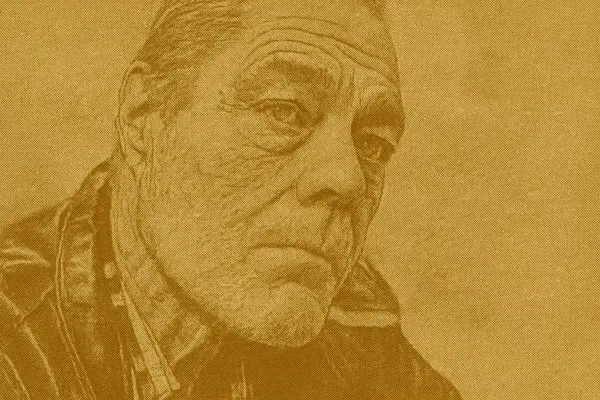
Based on coverage from CBC and CityNews Toronto.
Ontario Court of Appeal Orders New Trial
In a dramatic turn of events, the Ontario Court of Appeal has set aside the conviction of Timothy Rees, who spent 23 years in prison for the 1989 murder of 10-year-old Darla Thurrott. The court's decision, released on Thursday, highlights significant issues with the original investigation and trial, including recanted confessions and accusations of police misconduct. Despite the ruling, the likelihood of a new trial seems slim, leaving many questions unanswered about the tragic events that unfolded in an Etobicoke home over three decades ago.
Rees, now 62, has consistently maintained his innocence since the day he was charged. "I did not kill Darla. I am innocent," Rees stated emotionally at a press conference, emphasizing the toll the label of "killer" has taken on his life. His legal team, led by James Lockyer from Innocence Canada, argues that the real perpetrator might have been James Raymer, the landlord who lived in the same house as Darla and her family.
Support The Canada Report and help keep it ad-free and independent — click here before you shop online . We may receive a small commission if you make a purchase. Your support means a lot — thank you.
New Evidence and Legal Missteps
Central to the appeal was a previously undisclosed audio recording of Raymer speaking with a police officer shortly after the murder. In the recording, Raymer denied killing Darla but made inconsistent statements about his interactions with her. The court criticized the police for failing to disclose this tape, which could have supported the defence's theory of an alternate suspect. The recording was conducted by a marine unit constable temporarily assigned to the homicide unit, a move the court found highly irregular.
Raymer, who had intellectual disabilities, was a Crown witness in the original trial but passed away in 1999. The court's decision noted that the recording should have been disclosed to the defence, as it could have significantly impacted the trial's fairness.
Uncertain Future for Rees
Despite the court's order for a new trial, the Crown has given no indication that it plans to proceed. James Lockyer, Rees's lawyer, expressed doubt that the Crown would pursue another trial, suggesting that they might instead choose to withdraw the case. "The likelihood of the Crown proceeding with a new trial is essentially non-existent," Lockyer remarked, adding that he hopes for an acquittal, though he doesn't expect it.
The case has reignited discussions about wrongful convictions in Canada. Kelly Lauzon, an adjunct professor at Carleton University, points out that the justice system, run by humans, is prone to errors. She emphasizes the importance of acknowledging and correcting these mistakes, rather than allowing them to linger for decades.
While Rees's case has garnered significant attention, Lauzon notes that many wrongful convictions go unnoticed, particularly for lesser offences. Factors such as false confessions, flawed forensic science, and investigative tunnel vision can all contribute to miscarriages of justice. As Rees's legal team awaits further developments, the case serves as a stark reminder of the complexities and fallibilities within the Canadian justice system.