
Based on coverage from CBC, The Globe and Mail, and Government of Manitoba News Releases.
Manitoba's Dialysis Services Under Scrutiny
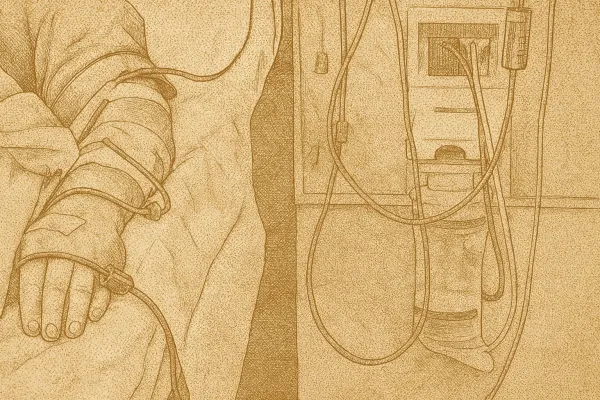
Manitoba's management of dialysis services is facing criticism following a report by the province's Auditor General, Tyson Shtykalo. The report, released Thursday, highlights inefficiencies in how Manitoba Health and Shared Health are handling these critical services. The audit, which examined the period from April 2022 to March 2024, was initiated due to Manitoba's high rate of end-stage kidney disease—the highest in Canada from 2013 to 2021.
Lack of Strategic Planning and Clear Responsibilities
A significant finding of the report is the absence of a comprehensive operational plan for dialysis services. Shared Health, the provincial health authority, lacks a strategic direction that aligns its goals with the means to achieve them. This gap has led to unclear organizational responsibilities, resulting in inefficiencies and uncertainty in service delivery. Shtykalo's report emphasizes that, despite dialysis being a life-sustaining treatment, the province is not ensuring the best outcomes for patients or value for taxpayers.
Funding Model Criticized
The report also criticizes Manitoba's funding model for dialysis services, noting it is not linked to patient outcomes or cost analysis. This disconnect fails to promote efficient service delivery. Shtykalo argues that without a funding process that drives efficiency, the province risks wasting resources and not meeting its objectives. The report calls for a funding strategy that integrates strategic direction with financial decisions to enhance service delivery.
Recommendations for Improvement
Shtykalo's report includes six recommendations aimed at improving dialysis services. These include developing a strategic operational plan, clearly defining responsibilities, and strengthening data collection and evaluation processes. The recommendations have been accepted or are under review by Shared Health and the Manitoba government. Health Minister Uzoma Asagwara stated that efforts to improve patient care and accountability are already underway, including expanding access to dialysis in remote communities and enhancing home-based dialysis support.
Government's Response and Future Steps
The Manitoba government has begun implementing measures to address the report's findings. Since 2024, initiatives such as establishing a provincial kidney health planning subcommittee and expanding training for kidney health staff have been introduced. Investments in expanding dialysis services in places like Norway House Cree Nation demonstrate the government's commitment to improving access to care, particularly for northern and Indigenous communities. The government plans to review the report's recommendations fully and continue collaborating with Shared Health and other partners to strengthen dialysis services across the province.
Support Independent Canadian News Analysis
The Canada Report is supported by readers like you. If this article helped you understand what’s happening, you can support our work with a one-time tip.
Support The Canada Report