
Heads up: some of the links in this post are affiliate links. That means if you click and purchase, we may get a commission. It’s how we keep this site running without cluttering it with ads.
Canadian winters are beautiful, but they also turn your driveway into a slippery, frozen obstacle course. Learning how to keep your driveway ice free isn’t just about convenience; it’s about safety, protecting your property, and saving time.
In this complete guide, you’ll discover the best ways to prevent ice on a driveway, including eco-friendly methods, DIY driveway ice melt solutions, pre-treatment tips, and even long-term fixes like heated driveway systems. Whether you’re trying to melt ice without salt, keep snow from sticking, or stop your driveway from freezing overnight, we’ve got you covered.
Why Your Driveway Gets Icy (and How to Prevent It)
Before we dive into prevention strategies, it helps to understand why ice builds up on driveways in the first place. Ice forms when moisture from melting snow or rain refreezes on cold surfaces, especially in shaded areas or where water pools. That’s why improving drainage and surface conditions is key to driveway ice prevention.
Essential Ice Prevention Tips
- Improve drainage: Make sure water doesn’t pool on your driveway by fixing grading issues and clearing drains.
- Apply a sealant: Sealing your driveway before winter helps repel water and prevent ice build-up.
- Keep it clean: Regularly remove debris, leaves, and snow to stop moisture from collecting and freezing.
How to Melt Ice on a Driveway Without Salt
Rock salt is cheap and it does work, but only down to about -9C. That is a real problem across most of the country from January onward, and it is why your driveway can look untouched after a full bag on a cold week. Salt also pits concrete over repeated freeze-thaw cycles, burns the grass along the edges, and ends up in the storm drain.
The alternatives below are gentler. Be clear-eyed about the trade-off, though: gentler almost always means it works across a narrower temperature range, not that it works better. Matching the product to how cold it actually gets where you live matters more than any other choice you make here.
| Product | Stops working below roughly | Notes |
|---|---|---|
| Calcium chloride | -25C | Fastest acting, best for deep cold. Hardest on concrete and paws. |
| Magnesium chloride | -15C | The practical middle ground. Much gentler on concrete and plants. |
| Rock salt (sodium chloride) | -9C | Cheapest. Useless on a genuinely cold Prairie or Quebec night. |
| Potassium chloride | -7C | Gentle on vegetation, but a weak de-icer for the price. |
| Calcium magnesium acetate | -5C | Biodegradable and easiest on paws. Works best applied before ice forms. |
| Sand or grit | No limit | Melts nothing. Traction only, which is exactly what you want below -25C. |
Green Alternatives to Salt
- Sand, grit or non-clumping clay litter: These melt nothing at all. They give you traction, which below about -25C is the only thing that still works, since every chloride has given up by then. Sweep it up in spring before it reaches the storm drains.
- Calcium magnesium acetate (CMA): Biodegradable and the easiest option on concrete and dogs' paws. The catch is that it behaves more like an anti-icer than a de-icer: it stops ice bonding to the surface rather than chewing through a thick layer, and it fades below about -5C. Put it down before the snow, not after.
- Magnesium chloride: If you want one product that covers most Canadian nights without wrecking your walkway edges, this is it. Effective to about -15C and noticeably gentler than calcium chloride on concrete, lawns and paws.
- Beet juice brine: This one genuinely works, which is why road crews in Ontario and Quebec use it. Blended with salt brine it pushes the working range past -25C and helps the mix stick to the road instead of bouncing off. The problem for homeowners is supply: it is sold in municipal volumes, not in bags at the hardware store.
One caution: "pet-safe" is not a regulated claim in Canada, so it can appear on a bag of ordinary rock salt. If paws are the reason you are avoiding salt, ignore the front of the bag and read the ingredient: CMA and magnesium chloride are the two worth paying extra for.
DIY Driveway Ice Melt Recipes You Can Make at Home
Most of the homemade de-icer recipes circulating online were written for places that never get properly cold, and they get repeated until they sound like established fact. Here is what actually survives contact with a Canadian winter, and what does not.
- Rubbing alcohol and water — this one works. Isopropyl alcohol freezes far below anything Canada produces, and a mix of 2 parts alcohol to 1 part water stays liquid well past -20C. It is genuinely useful on steps, a frozen door frame, or a car door that will not open. It is not a driveway solution: it evaporates quickly, and covering a two-car driveway would cost more in alcohol than a whole bag of calcium chloride.
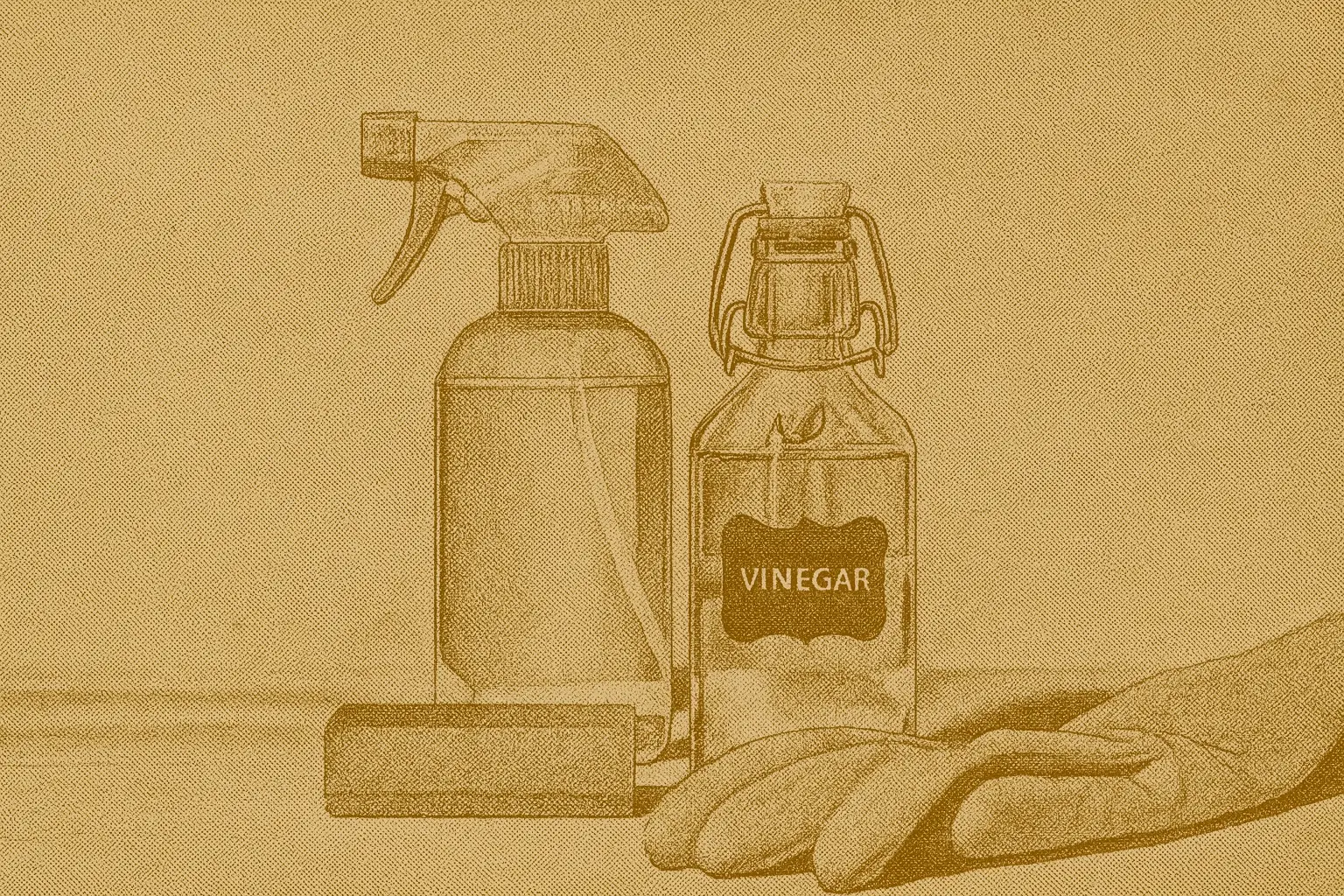
- Vinegar — does not work. Household vinegar is about 5% acetic acid and freezes near -2C. Diluted further with water, as every version of this recipe instructs, you are essentially pouring cold water on ice. Repeated use can also etch concrete.
- Baking soda — barely works. It lowers the freezing point slightly and adds a bit of grit, so it can help on a single step at around 0C. Below that it does nothing, and at what a box costs it is an expensive way to add traction that a bag of sand does better.
- Hot water — actively makes things worse. It runs, refreezes into a smoother and harder sheet than what you started with, and the thermal shock can crack concrete. This is the one to avoid outright.
The honest summary: alcohol is the only home remedy that genuinely melts ice in Canadian temperatures, and it only makes economic sense for small areas. For an actual driveway, your money goes further on the right chloride for your local temperature range, spread before the storm rather than after it.
Check out our guide to the best snow shovels in Canada for clearing snow before it packs down into ice.
How to Stop Your Driveway from Freezing Overnight
One of the most common questions homeowners ask is how to stop a driveway from freezing overnight. The key is being proactive before temperatures drop.
Proactive Measures
- Cover your driveway: Use tarps or specialized covers to keep snow and ice from bonding.
- Pre-treat with brine: A simple brine spray applied before a storm can prevent ice from sticking.
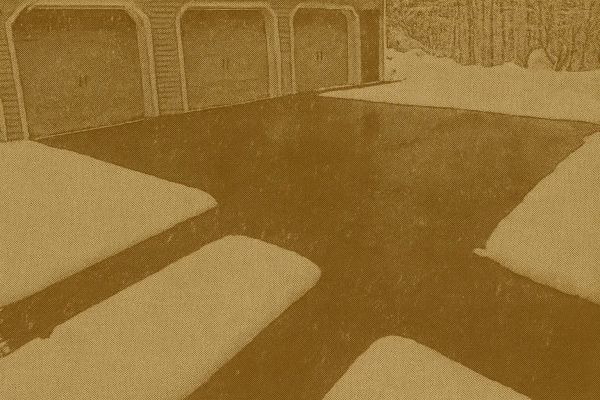
- Install heated driveway mats or systems: For the ultimate long-term solution, consider heated driveway systems or snow-melting mats that melt ice as it forms.
Cost breakdown:
- Tarps: $30–$50 CAD
- Brine solution: ~$10 CAD
- Heated driveway systems: $2,000–$5,000 CAD (installed)
Best Ways to Pre-Treat Your Driveway Before Snow
Pre-treatment is one of the best ways to prevent ice build-up on a driveway, and it makes snow removal faster and easier too.
Pre-Treating Tips
- Apply liquid de-icer or brine: Coat your driveway 12–24 hours before a storm using a garden sprayer.
- Spread sand or grit: Improves traction and absorbs sunlight to melt snow faster.
- Lay snow-melting mats: Plug-in mats keep walkways and steep driveways clear without chemicals.
Pro tip: Reapply pre-treatments after heavy rain or significant melting to maintain effectiveness.

Long-Term Driveway Ice Prevention Solutions
If you’re tired of seasonal maintenance, consider long-term solutions for driveway ice prevention:
- Heated driveway systems: These use electric cables or hydronic tubing under the surface to automatically melt snow and ice.
- Snow-melting mats: Portable versions you can roll out seasonally.
- Driveway sealants and resurfacing: Prevent water from penetrating and freezing inside the concrete.
These investments may cost more upfront, but they add property value and eliminate much of the seasonal hassle.
Related: Best Winter Boots for Canada: Stay Warm and Dry This Winter
FAQ: Driveway Ice Removal Tips
What is the fastest way to melt ice on a driveway?
A: Calcium chloride acts fastest and keeps working down to roughly -25C, which matters across most of Canada since rock salt gives up around -10C. Spread it thinly and give it 15 to 20 minutes instead of piling it on. If the ice is already thick, break it up mechanically first so the melt can reach the concrete underneath. The genuinely fastest approach is not melting anything at all: pre-treat with brine before the storm so ice never bonds to the surface.
Can I use regular table salt to melt ice on my driveway?
A: You can, but it’s less effective than commercial ice melts and can damage concrete over time. Look for calcium chloride or magnesium chloride ice melt instead.
What is the best way to melt ice on a steep driveway?
A: Focus on traction and prevention — use sand or heated driveway mats to reduce slip risks on steep slopes.
Are there Canadian regulations about de-icer use?
A: Yes. Some provinces limit chemical use due to environmental concerns. Always check local guidelines before applying chemical de-icers.
How can I melt ice quickly without chemicals?
A: Physical removal tools like a driveway ice scraper, ice chippers, or snow blowers are effective options.
Is sealing my driveway necessary before winter?
A: Yes — sealing helps prevent water penetration, reducing the risk of freeze-thaw damage and prolonging your driveway’s lifespan.
Final Thoughts: A Safer, Ice-Free Winter Driveway
Keeping your driveway ice-free in a Canadian winter doesn’t have to be a constant battle. With the right mix of eco-friendly de-icers, DIY solutions, pre-treatment strategies, and long-term systems, you can protect your property and your family all season long.
- Prevent ice by improving drainage and sealing your driveway.
- Try eco-friendly salt alternatives like beet juice or calcium magnesium acetate.
- Use DIY driveway ice melt recipes to save money and stay chemical-free.
- Consider investing in heated driveway systems for a permanent solution.
A little preparation goes a long way — and with these driveway ice prevention tips, you’ll spend more time enjoying the snowy scenery and less time slipping on it.