
Frozen pipes are a common Canadian winter problem, especially during prolonged cold, sudden temperature drops, and windy conditions that push cold air into garages, crawl spaces, exterior walls, and under-insulated basements. A frozen water line can stop water flow; a burst line can release a great deal of water once it thaws. Prevention is usually less complicated than repairs, but it needs to start before the first hard freeze.
The right approach depends on your home and region. A newer, well-insulated home in coastal British Columbia faces different risks than a cottage in northern Ontario, a raised bungalow on the Prairies, or a house with an unheated crawl space in Atlantic Canada. Start by finding the vulnerable plumbing, then combine insulation, draft control, steady indoor heat, and a plan for cold snaps. If you leave the property in winter, add regular checks or arrange for someone local to inspect it.
Why pipes freeze and what to do first
Frozen pipes occur when the water inside a pipe loses heat faster than the surrounding area can replace it. Pipes close to exterior walls, in unheated spaces, or exposed to moving cold air are the usual trouble spots. Long cold periods are often more dangerous than one overnight dip below freezing because the structure, not just the outdoor air, has time to cool down.
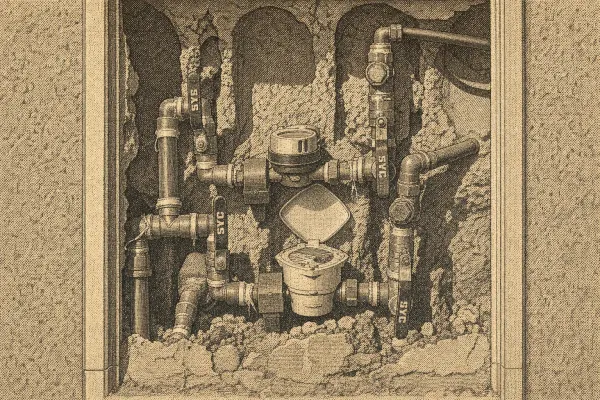
Begin before winter by locating your main water shutoff valve and making sure every adult in the home knows how to use it. The valve is often near the water meter, where the service enters the home, or in a utility room. Test it gently if it has not been used in years; a seized valve should be addressed before an emergency. Know where the electrical panel is as well, in case a leak puts water near outlets or appliances.
Then inspect exposed supply pipes, particularly those carrying cold water. Insulate accessible sections, seal obvious air leaks, and keep rooms and utility spaces heated. During a serious cold snap, open cabinet doors under sinks on exterior walls so warm room air can circulate, while keeping cleaners and medications away from children and pets. For homes that sit vacant, winterize the plumbing or maintain heat and arrange regular checks. Your insurer may have occupancy and heating requirements for vacant homes, so read the policy rather than assuming a neighbour’s occasional visit is enough.
Know where pipes are most likely to freeze
Look for plumbing in places that are cold, poorly insulated, or exposed to air movement. Common locations include pipes beneath kitchen and bathroom sinks on outside walls; plumbing in a crawl space, attic, garage, porch, or unheated basement; lines near a rim joist; and water pipes running along foundation walls. A pipe passing through an exterior wall to serve a hose bib, laundry area, or addition also deserves attention.
Older homes can be unpredictable. Renovations may have left supply lines behind drywall with little insulation, or an old addition may have plumbing above a cold floor. If one tap has frozen before, treat that line as a known weak point. Mark it and take preventive action before the next cold spell.
Regional weather changes the priority. Prairie provinces and the territories can see very low temperatures for extended periods, so pipes in garages and exterior cavities need close attention. In Ontario, Quebec, and Atlantic Canada, wind-driven cold and older housing stock can expose plumbing to drafts. In coastal British Columbia, severe cold is less frequent in many communities, but homes may have less cold-weather protection and can still suffer damage during an unusual freeze. In every province, check local forecasts for overnight lows, wind chill conditions, and multi-day cold alerts. Wind chill affects people more directly than pipes, but strong winds can signal drafts and faster heat loss around the building.
Insulate pipes and exposed plumbing
For accessible pipes in cold areas, use insulation sized for the pipe diameter and intended for plumbing. Foam tube sleeves work well for many indoor water lines. Fibreglass pipe wrap can suit hotter pipes or irregular sections, but it should be installed carefully and kept dry. Follow the product instructions, including guidance for bends, elbows, and joints. Tape seams where the manufacturer calls for it so cold air cannot enter the gaps.
Prioritize cold-water supply pipes first. They freeze before hot-water lines in many homes, although both can be vulnerable. Insulating hot-water pipes also reduces heat loss and can help protect them in a cold utility space. Do not compress insulation tightly or leave long bare sections around valves and fittings. Use compatible fittings or wrap those areas as directed.
Insulation slows heat loss; it does not create heat. It cannot protect a pipe indefinitely in an unheated space during a prolonged deep freeze. Pair it with a warmer surrounding area, draft sealing, or an approved heat source where necessary.
Keep pipe insulation away from flues, chimneys, and other high-heat components unless the material is specifically rated and installed for that location. Do not cover electrical connections, shutoff handles, water-meter components, or equipment that needs servicing. If pipes are hidden in a wall or ceiling that has repeatedly frozen, a plumber or qualified contractor can assess options such as rerouting the line to the warm side of the insulation. That is often a better permanent fix than repeatedly reacting every winter.
Seal drafts and insulate crawl spaces and attics
Cold moving air can freeze a pipe even where nearby insulation looks adequate. On a cold, windy day, check for drafts around pipe penetrations, rim joists, sill plates, dryer vents, exterior doors, windows, and access hatches. Seal smaller gaps with an appropriate caulk or low-expansion foam product. For doors and windows, our look at door seal tape and weather stripping compares the main options. Larger openings, damaged framing, and gaps near wiring or vents may need a contractor’s assessment.
Pay special attention to the rim joist, the band of framing above the foundation wall. It is a frequent source of heat loss in basements. Pipes near this area can be exposed to very cold surfaces and air leakage. Insulating and air-sealing the rim joist correctly can make a noticeable difference, but materials and details must suit the house and local building requirements.
Crawl spaces need a deliberate plan. A vented, unheated crawl space can leave plumbing at risk, while closing vents without considering moisture can create mould and wood-rot problems. The right arrangement depends on the foundation, insulation location, ground moisture, drainage, and climate. If your crawl space is damp, smells musty, or has exposed plumbing, ask a building professional or insulation contractor about a suitable approach rather than stuffing insulation between joists and hoping for the best.
Attics are another concern where plumbing runs above the ceiling insulation. The attic should generally remain cold, but the pipe needs protection within the insulated building envelope. Do not simply add attic heat. Find out why the line is there, improve insulation around it without blocking required ventilation, and consider rerouting if the risk is recurring.
Maintain indoor temperatures during cold snaps
Keep the home heated consistently during freezing weather. Avoid turning the thermostat down dramatically overnight or when away, particularly if plumbing runs through exterior walls, a basement, or a crawl space. If heating costs are the worry, these budget-friendly ways to stay warm can help offset a steadier thermostat. Many households use a minimum setting around 13°C to 16°C when away, but a house with known cold areas may need a higher setting. The safe temperature is the one that keeps vulnerable spaces and pipes above freezing, not simply the temperature displayed in a central hallway.
During extreme cold, check rooms at the ends of the house, above garages, and in basements. A closed bedroom door, blocked heat register, or furniture pressed against a baseboard can leave a room much colder than the thermostat location. Keep supply and return vents clear. If you use electric baseboards, do not place curtains, bedding, boxes, or furniture against them.
Set up a simple temperature check in cold-prone areas if you can. A basic indoor thermometer in a utility room, crawl-space access area, or cabinet near a vulnerable sink can reveal a problem early. Aim to keep these spaces comfortably above freezing, with a margin for colder nights. If a room stays cold despite normal heating, investigate the cause instead of relying on a portable heater as a permanent solution.
For a seasonal property, draining the plumbing is often safer than depending on heat alone. A proper winterization may involve shutting off water, draining lines, protecting traps, and following the instructions for appliances and water-heating equipment. Get professional help if you are unsure; an incomplete draining job can still leave water trapped in pipes.
Let faucets drip when temperatures drop
A small, steady trickle through a vulnerable faucet can reduce the chance of freezing because moving water is harder to freeze than water sitting still. Use this tactic during a severe cold spell for a tap supplied by a pipe that has frozen before or that runs through an exterior wall, crawl space, or other cold location. It is a short-term measure, not a substitute for correcting insulation and draft problems.
Open the faucet enough to produce a thin continuous stream, not occasional drops. If the tap has separate hot and cold handles and both supply lines are vulnerable, allow a small flow from both. For a single-lever faucet, set it near the middle so water moves through both sides. Use cold water if the concern is a cold-water pipe, unless your plumber has identified a different vulnerable section.
Do not run water indiscriminately from every fixture. It wastes water and can create a drain problem if a sink is plugged or a drain line is slow. Check that the drain is clear and that the water is flowing normally. If your home uses a septic system, avoid prolonged high flows; ask a local plumber for advice on the smallest effective flow and a longer-term solution.
If water use restrictions apply in your municipality, check the local rules. Emergency pipe protection may be treated differently from routine outdoor water use, but requirements vary. A better long-term answer is to insulate, air-seal, and, where appropriate, add controlled heat to the vulnerable line.
Keep garage, basement, and utility areas from getting too cold
Garages are a frequent source of frozen-pipe calls. Keep the overhead door closed, especially overnight and during windy weather. Do not assume an attached garage stays warm because it shares a wall with the house. It can fall below freezing quickly. If plumbing runs through the garage ceiling or wall, insulate it properly and consider having the line relocated if it repeatedly freezes. If you’d rather keep the garage itself above freezing, our garage heater guide covers safe plug-in and vented options.
Do not use an unvented fuel-burning heater in a garage, basement, or utility room. It introduces carbon monoxide and moisture hazards. Portable electric heaters can also be risky around water, dust, stored items, or combustible materials. If temporary heat is necessary, use only a suitable unit according to its instructions, plug it directly into a wall outlet, keep clearance around it, and do not leave it unattended. Our space heater guide covers which types are safest for a cold basement or utility room. A permanent heating fix is safer.
Basements do not need to feel like living rooms, but they should not be allowed to become frigid if they contain water lines. Keep basement windows closed and repair broken panes or damaged weatherstripping. Insulate exposed plumbing near foundation walls. Ensure the furnace or heat pump is operating correctly, and clear clutter away from registers, boilers, and electrical equipment.
Utility rooms need airflow and access. Avoid packing storage boxes tightly around pipes, shutoff valves, water heaters, pressure tanks, or furnaces. You need to spot a leak quickly and reach the main shutoff without moving half the room. If your water meter or service line is in a cold enclosure, contact the utility or a plumber for guidance; meter arrangements and responsibilities differ by municipality.
Use heat tape or heat cables safely (when appropriate)
Heat tape and heat cables can protect a specific vulnerable pipe when insulation and building improvements alone are not enough. They are most useful on accessible pipes in cold spaces, such as a crawl space or unheated utility area. Choose a product designed for the pipe material and location. Some products are intended for plastic pipe, while others are not. Some are self-regulating; others use a thermostat or must be switched on and off according to the instructions.
Read the entire installation guide before buying or fitting anything. The instructions set out the pipe compatibility, cable spacing, overlap rules, insulation requirements, electrical connection, and inspection schedule. Do not overlap cable unless the manufacturer explicitly permits it. Do not wrap a cable around itself, run it through a wall, cover it with unsuitable material, or use a damaged cord. Heat cable should generally be plugged into a properly protected receptacle, often a ground-fault circuit interrupter where required. If there is no appropriate outlet, have a licensed electrician assess the work.
Inspect installed cable before each heating season and after any plumbing repair. Look for cracked insulation, worn sections, loose connections, scorch marks, and evidence of moisture. Replace suspect cable; do not patch it with household tape. Turn the system on only as directed.
Heat cable is not a casual solution for inaccessible plumbing or a substitute for fixing a major air leak. If a pipe is behind finished walls and freezes regularly, a plumber can help identify a safer permanent repair.
How to thaw a pipe that’s starting to freeze
Act early. Warning signs include reduced flow at one faucet, no water from a single fixture, frost on an exposed pipe, a cold section of pipe, unusual banging, or a room that is far colder than usual. First, open the affected faucet. If water begins to move as the pipe warms, the open tap gives melting ice and pressure a place to escape.
Keep the home heated and open cabinet doors near the suspected pipe. For an accessible section, apply gentle heat with a hair dryer, heating pad rated for the task, or another method approved for plumbing work. Start near the faucet and work back toward the colder area. This helps water and steam escape as ice melts. Never use an open flame, propane torch, charcoal burner, or high-heat device. They can ignite nearby materials, damage plastic pipe, or produce dangerous fumes.
Do not leave a heat source unattended. Watch for dripping, bulging, cracking, or water staining as the pipe thaws. If you can safely access the main shutoff, be ready to close it. A pipe may have split while frozen and only begin leaking after the ice melts.
If you cannot find the frozen area, the pipe is inside a wall, or warming does not restore flow promptly, call a plumber. Avoid cutting into walls or dismantling plumbing under pressure. Take photos of visible frost or leakage for your insurer if damage occurs.
When to call a plumber or emergency service
Call a plumber promptly when there is no water to part of the home and the suspected freeze is inaccessible, when a pipe has frozen more than once, or when you see a bulge, crack, wet drywall, dripping ceiling, or pooled water. A recurring freeze usually points to poor insulation, an air leak, unsuitable pipe routing, or inadequate heat in the surrounding space. The repair should address that cause.
Treat a burst pipe as an emergency. Shut off the main water supply if it is safe to do so, then open faucets to relieve pressure. Turn off electricity to affected areas only if you can reach the panel without standing in water or touching wet equipment. Leave electrical work to emergency personnel if water is near outlets, appliances, the panel, or wiring. Move valuables out of the area if conditions are safe, and begin documenting damage with photos and notes.
Contact your insurer’s claims line as soon as practical. Policies differ on water damage, vacant properties, maintenance expectations, and emergency mitigation. Insurers often expect reasonable steps to limit further damage, such as shutting off water and arranging professional drying. Keep receipts for emergency plumbing, restoration, and temporary accommodation if applicable.
Call 911 for immediate danger, such as fire, electrical arcing, a strong gas smell, or a situation where people cannot safely leave the property. For a water leak without those hazards, a licensed emergency plumber and your insurer are usually the right first calls.
Preventing frozen pipes: quick checklist for Canadian winters
Before winter: locate and test the main water shutoff; identify pipes in exterior walls, crawl spaces, garages, attics, and near rim joists; insulate accessible lines; repair drafts; disconnect and drain outdoor hoses; and shut off and drain exterior taps if your plumbing arrangement allows. Frost-free hose bibs still need hoses removed because a connected hose can trap water.
At the start of a cold snap: keep indoor heat steady, check vulnerable rooms and utility spaces, open sink cabinets on exterior walls, close garage doors, and make sure heating vents are clear. Use a small faucet flow only on known problem lines. Inspect any heat cable for visible damage and operate it strictly as directed.
When leaving home: do not turn the heat off. Use a temperature that protects your coldest plumbing area, ask a trusted person to check the property during extended absences, and consider a monitored low-temperature or water-leak alarm. For cottages and other seasonal homes, arrange full winterization if the building will not be heated and checked.
After winter: inspect pipe insulation, crawl spaces, and areas that felt unusually cold. Fix the cause of any near-freeze while access is easy. Waiting for next January is how a minor weak spot becomes a flooded basement.
Frequently Asked Questions
Which pipe insulation should Canadian homeowners choose for exposed plumbing?
Choose insulation that matches the pipe diameter, pipe material, and location. Closed-cell foam sleeves are commonly used for accessible indoor supply lines, while fibreglass wrap may suit some hot-pipe applications. Check that the material is rated for the temperatures and setting involved. For pipes in a very cold space, insulation should be paired with draft sealing and sufficient surrounding heat; insulation alone may not prevent freezing during a long cold spell.
Is heat tape or heat cable better for vulnerable pipes?
The terms are often used interchangeably, but the best choice is the product approved for your pipe material and installation location. Self-regulating heat cable can adjust output as temperatures change, while other systems rely on a thermostat or manual operation. Follow the manufacturer’s rules on overlap, insulation, outlets, and inspections. For a pipe that freezes behind walls or repeatedly fails, rerouting or improving the building enclosure may be safer than adding cable.
Is insulating exposed plumbing worth the cost in Canadian winters?
Yes, insulating accessible plumbing is usually a sensible preventive step, especially near exterior walls, in basements, crawl spaces, garages, and utility rooms. It reduces heat loss and can lower the chance of a freeze. It is not a complete solution for a pipe exposed to severe cold or drafts, so address air leaks and inadequate heat at the same time.
How much maintenance do pipe insulation and heat cables require?
Check pipe insulation before each winter for gaps, moisture, crushing, loose seams, and damage from pests or storage. Inspect heat cable at the same time for cracked covering, worn cords, loose connections, scorch marks, and moisture. Replace damaged cable rather than repairing it with tape. Keep valves and service points accessible, and follow the cable manufacturer’s seasonal inspection and operating instructions.
Should I buy heat cable or let a faucet drip?
A small faucet flow is a temporary response for a known vulnerable line during a cold snap. Heat cable can provide ongoing protection for an accessible pipe in a cold area when correctly selected and installed. Neither option fixes poor pipe placement, major drafts, or an unheated space. Start with insulation and air sealing, then use the least complicated safe measure that addresses the specific risk.