
Based on coverage from Yukon News and HR Law Canada.
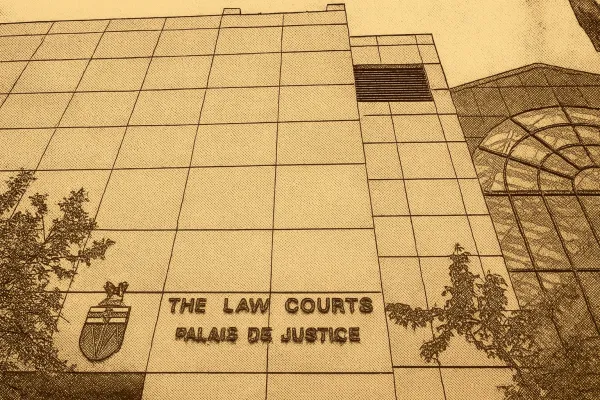
The Yukon Supreme Court has ruled in favour of the Yukon Association of Education Professionals (YAEP) in a legal battle against former executive member Michel Emery. The court ordered the association and two individual defendants to receive $8,000 in costs after successfully striking down Emery's civil lawsuit, which included allegations of conspiracy and defamation.
Court Reduces Requested Costs
Initially, the defendants sought $15,000 in costs, but Chief Justice Suzanne Duncan reduced the amount to $8,000. The decision, released on January 27, found several of the claimed costs to be unreasonable or overlapping. Despite this reduction, Duncan affirmed that the defendants were entitled to costs as the prevailing parties in the case.
Background of the Legal Dispute
The legal conflict began in January 2023 when Emery filed a lawsuit following his removal from an elected position within the YAEP. Emery alleged conspiracy and defamation, and initially included a claim of wrongful dismissal, which he later withdrew in December 2024. The removal was attributed to a breakdown in Emery's working relationship with the association and two of its executive members. This led Emery to file complaints with various bodies, including the Employment Standards Office and the Human Rights Commission.
Jurisdiction and Legal Process
The defendants argued that the Yukon Supreme Court lacked jurisdiction over the case, contending that the matter should be addressed by the Yukon Teachers Labour Relations Board under the Education Labour Relations Act. Chief Justice Duncan agreed, noting that the core issues pertained to workplace discipline within a union context. The Act provides a specific process for handling such disputes, which should have been followed.
Emery's Arguments and Court's Response
Emery contended that the defendants should be denied costs due to alleged misconduct by labour relations advisors and because other bodies had upheld parts of his complaints. However, Duncan rejected these arguments, stating that the court could not rely on external findings after determining it lacked jurisdiction. Emery also pointed to the defendants' stance before the Labour Relations Board, where they claimed his complaint was filed too late, as a reason to deny costs. Duncan acknowledged the inconsistency but ruled it did not amount to misconduct.
Conduct and Case Management
Chief Justice Duncan highlighted Emery's conduct during the case as a factor in awarding costs to the defendants. She noted that Emery's late filings caused adjournments and that he amended his claim shortly before scheduled hearings. Additionally, Emery withdrew his wrongful dismissal allegation only after the defendants had prepared their arguments, further complicating the proceedings.
This ruling underscores the importance of following proper jurisdictional channels in legal disputes involving union matters. It also highlights the court's discretion in awarding costs based on the conduct of the parties involved.
Support Independent Canadian News Analysis
The Canada Report is supported by readers like you. If this article helped you understand what’s happening, you can support our work with a one-time tip.
Support The Canada Report