
Based on coverage from CBC, The Globe and Mail, Financial Post, Toronto Sun, Castanet, Winnipeg Sun, Travel and Tour World, and WMBD Radio.
WestJet Halts Non-Reclining Seat Rollout Amid Backlash
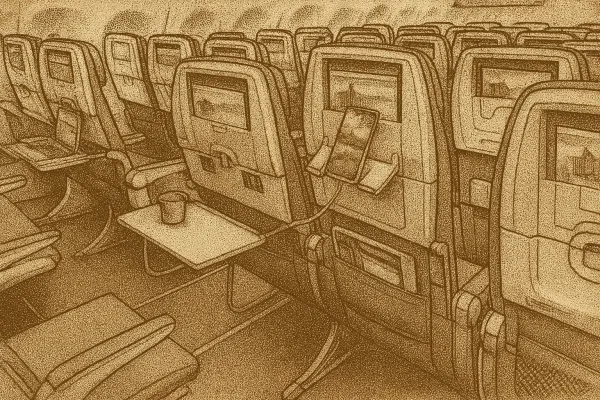
WestJet Airlines has decided to pause its plan to install non-reclining seats across a significant portion of its fleet after facing criticism from both passengers and employees. The airline had initially announced in September that it would reconfigure 43 Boeing 737 jets to include an extra row of seats, dividing the cabin into several tiers with varying levels of space and ticket prices.
Employee and Passenger Concerns
The plan to introduce non-reclining seats, described by WestJet as a "fixed recline design," was met with resistance. Many economy seats would have less legroom, prompting concerns from passengers who felt they were being charged extra for a basic comfort feature. The Canadian Union of Public Employees, representing WestJet flight attendants, highlighted issues such as reduced legroom and limited overhead bin space, which could complicate travel for guests with mobility challenges, car seats, and pets.
Internal Review and Feedback Gathering
In an internal memo obtained by The Canadian Press, WestJet vice-president Robert Antoniuk informed staff that the new seating configuration would proceed on only 22 planes for now, with 21 already featuring the tighter interior. The Calgary-based airline plans to conduct a review and gather feedback from both guests and employees before making further decisions. WestJet has not yet responded to requests for additional comments.
Industry Trends and Revenue Strategies
WestJet's move to introduce non-reclining seats is part of a broader trend in the airline industry, where economy-class trips are increasingly characterized by shrinking legroom and additional fees for services once included in the base fare. Ancillary revenue, which includes charges for checked bags, pre-selected seats, and onboard snacks, has become a crucial part of airline income. This strategy, popularized by budget carriers over the past 15 years, is now being adopted by major airlines to stabilize revenue amid fluctuating fare prices and fuel costs.
Future Plans and Industry Implications
While WestJet has paused the rollout of non-reclining seats, the airline plans to resume the reconfiguration process in the spring, taking into account passenger feedback and operational performance. The decision underscores the ongoing debate about the balance between cost efficiency and passenger comfort. As airlines continue to explore new revenue streams, they must also consider the impact on customer satisfaction and employee well-being.
WestJet's pause in the rollout provides an opportunity to reassess its approach to seating arrangements and address the concerns raised by passengers and staff. The airline's future success will depend on its ability to navigate these challenges while maintaining a focus on customer experience.
Source 1 | Source 2 | Source 3 | Source 4 | Source 5 | Source 6 | Source 7 | Source 8
This story was built from multiple outlets. All of them covered WestJet's decision to pause the installation of non-reclining seats due to pushback, but they differed in their focus on passenger feedback and operational implications:
- CBC mentioned the internal memo revealing the extent of the current reconfiguration.
- The Globe and Mail highlighted the ongoing review process and the notion of paying extra for reclining seats.
- Financial Post emphasized the union's concerns about reduced legroom and its comparison to ultra-low-cost carriers.
- Toronto Sun noted the lack of response from WestJet to requests for comment, adding a layer of accountability.
- Winnipeg Sun detailed the union's bulletin about the impact on passengers with varying mobility and limited overhead space.
- Travel and Tour World discussed the broader industry debate over cost-cutting versus passenger comfort.
- WMBD Radio reported on the timing of the pause to align with peak travel season and included a statement from WestJet about monitoring guest feedback.