
Based on coverage from CBC and Global.
U.S. ICE Orders Canadian Armoured Vehicles
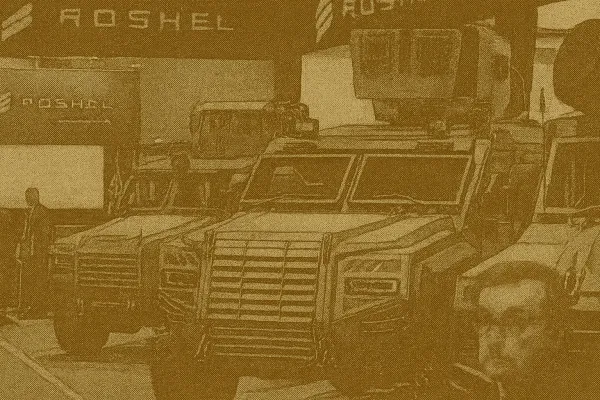
In a move that might raise a few eyebrows, the U.S. Immigration and Customs Enforcement (ICE) has placed a substantial order for armoured vehicles from Roshel, a Canadian defence manufacturer based in Brampton, Ontario. The deal, valued at approximately $10 million CAD, involves the purchase of 20 Senator STANG emergency response tactical vehicles. These vehicles are designed to withstand bullets and bomb blasts, making them a robust choice for field operations.
The procurement decision was made public through a partially redacted document on a U.S. federal procurement website, with the contract awarded just two days after the announcement. The urgency of the order is underscored by the requirement for Roshel to deliver the vehicles within 30 days, a timeline that other potential suppliers couldn't meet.
Support The Canada Report and help keep it ad-free and independent — click here before you shop online . We may receive a small commission if you make a purchase. Your support means a lot — thank you.
Roshel's Unique Position in Defence Manufacturing
Roshel's ability to meet ICE's specific needs in such a short timeframe is a testament to its capabilities in defence manufacturing. The company has been in the spotlight for supplying similar vehicles to Ukraine amidst its ongoing conflict with Russia. According to Roshel's marketing materials, the Senator vehicles are equipped with blast protection, making them suitable for high-risk environments.
The decision to bypass American manufacturers like Alpine Amoring Inc., CITE Armored, Inc., DGM LLC, and Lenco Armored Vehicles was justified by ICE's Office of Acquisition Management. The document stated that delaying the procurement process to include more competitors would negatively impact ICE's operational readiness. While other manufacturers were consulted, they either had limited stock or couldn't meet the technical and timeline requirements.
Controversy Amidst "America-First" Policy
This procurement comes at a time when ICE is under scrutiny for its role in enforcing U.S. immigration policies, which have been criticized for human rights abuses. The decision to source vehicles from Canada also seems at odds with former President Donald Trump's "America-first" trade policy, which aims to bolster American manufacturing. This policy has previously led to tensions with Canadian industries, particularly in steel, manufacturing, and automotive sectors.
Despite the potential for controversy, the deal highlights the strategic importance of Roshel's manufacturing capabilities and the ongoing demand for its products. Both Roshel and ICE have yet to comment publicly on the transaction, leaving room for speculation about the implications of this cross-border deal.