

Based on coverage from Global News, The Toronto Star, InSauga, National Observer, and CityNews Vancouver.
New Federal Legislation Targets Gender-Based Violence
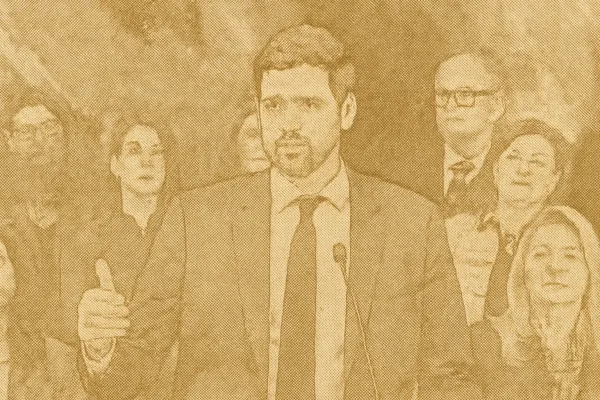
The Liberal government has introduced the Protecting Victims Act, a bill aimed at addressing gender-based violence and protecting children from online exploitation. Justice Minister Sean Fraser announced that the legislation would classify murders driven by control, hate, sexual violence, or exploitation as first-degree. When the victim is a woman, these murders would be defined as femicide. The bill also seeks to criminalize coercive or controlling behaviour against intimate partners, a conduct not currently specified in the Criminal Code.
Expanding Criminal Code to Combat Deepfakes
A significant aspect of the Protecting Victims Act is its expansion of the Criminal Code to include non-consensual deepfakes. This amendment aims to curb the distribution of intimate images created using artificial intelligence without consent. The legislation also targets threats to distribute child sexual abuse material and ensures that child luring offences explicitly cover extortion, addressing the growing issue of sextortion.
Addressing Justice System Delays
The bill proposes measures to tackle delays in the justice system, a move that has sparked debate. It suggests that courts consider alternatives to halting proceedings when delays occur, a remedy traditionally used under the Charter right to timely justice. The Canadian Civil Liberties Association has criticized this approach, arguing that it undermines Charter rights and calls for better funding of the justice system instead. Fraser, however, emphasized the need to prevent perpetrators of sexual violence from escaping justice due to procedural delays.
Provincial Support and Advocacy
The B.C. government has expressed strong support for the Protecting Victims Act. Attorney General Niki Sharma highlighted the bill's alignment with B.C.'s advocacy for compassionate amendments to the Criminal Code. The province has been pushing for changes that reflect the severity of intimate partner violence, ensuring that a history of abuse is considered evidence of premeditation in murder cases. Vancouver's Battered Women Support Services also welcomed the bill, particularly its recognition of femicide, though they stress the need for further action to prevent violence.
Broader Implications and Next Steps
While the Protecting Victims Act marks a significant step forward, it also calls for a comprehensive societal approach. Fraser emphasized the importance of investments in police, community organizations, housing, and addiction counselling to address the root causes of gender-based violence. The bill also restores mandatory minimum penalties deemed unconstitutional, allowing courts to impose sentences below the minimum in cases of disproportionate punishment. As the legislation progresses, stakeholders will be watching closely to see how these changes impact the justice system and the protection of vulnerable populations in Canada.
Source 1 | Source 2 | Source 3 | Source 4 | Source 5
This story was built from multiple outlets. All of them covered the introduction of the Protecting Victims Act, which aims to treat certain murders as first-degree and address gender-based violence, but they emphasized different aspects of the legislation:
- Global News highlighted the announcement by Justice Minister Sean Fraser and the specific gap in the Criminal Code the bill aims to address, focusing on the extension to AI-generated deepfakes.
- The Toronto Star emphasized the legislative gap regarding coercive or controlling conduct against intimate partners and included a note about the publishing error.
- InSauga included a poignant quote from Women and Gender Equality Minister Rechie Valdez, providing a humanizing context on the frequency of gender-based violence in Canada.
- National Observer focused on the bill's provisions against child sexual exploitation and the need for a societal approach, quoting Fraser's call for broader action.
- CityNews Vancouver reported on the positive reaction from the B.C. government, highlighting local political support for the federal initiative.