Based on coverage from Global News, The Globe and Mail, The Toronto Star, CP24, Winnipeg Free Press, and CityNews.
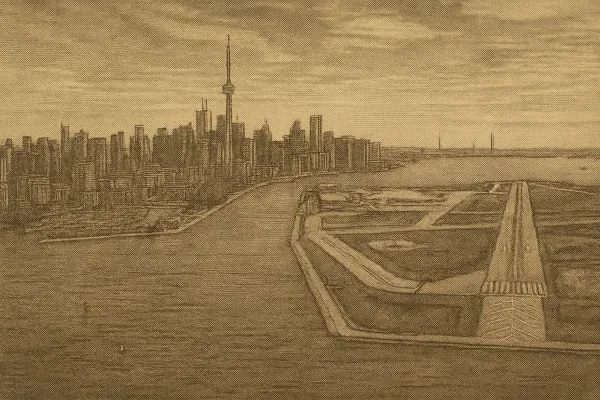
Ontario Premier Doug Ford says Queen’s Park is preparing to take over Toronto’s role in governing Billy Bishop Toronto City Airport, seize city-owned lands, and label the airport Ontario’s first “special economic zone” to speed up a runway expansion that would allow jets.
The move to expand Billy Bishop Airport aligns with recent trends in airport development across Canada, as seen in the recent funding secured for Winnipeg Airport's land development project, which received $32 million from federal and provincial governments to enhance its facilities and services. For more details, see our coverage on Winnipeg Airport lands development funding.
Ford made the announcement Monday at an event in a hangar at the island airport. He says expanding Billy Bishop will bring “cheaper flight options, more routes and more convenience” for the millions of travellers who use it, while helping Toronto compete with global cities that have multiple major airports.
Doug Ford’s Billy Bishop airport takeover plan
Billy Bishop is governed by a tripartite agreement between the federal government, the Toronto Port Authority (a federal agency), and the City of Toronto. Multiple reports say Ford wants the province to replace the city at that table, effectively removing Toronto’s ability to block an expansion.
The province also intends to expropriate the city’s interest in airport lands, offering what Ford calls “fair compensation.” One report describes the move as aimed at getting around opposition from Mayor Olivia Chow and some city councillors to runway expansion and jets.
The airport currently serves turboprop aircraft, including those operated by Porter Airlines and Air Canada. Transport Canada has required safety buffer zones; the city recently agreed to extend the tripartite deal to 2045 and add those buffers so the current turboprops can keep operating. Allowing jets, though, would require a much bigger runway extension, pushing hundreds of metres farther at each end into Lake Ontario.
Bill 5 special economic zone powers
Ford says the province will also designate Billy Bishop as a “special economic zone,” using powers created under Bill 5, the Protect Ontario by Unleashing our Economy Act, which the government rushed through last year.
Under Bill 5, the province can suspend provincial and municipal rules in designated zones to fast-track projects. Critics have called that power antidemocratic overreach, and First Nations previously warned of protests when the government floated using Bill 5 to accelerate mining development in the Ring of Fire.
Ford now says the airport designation would “streamline approvals while maintaining strong safety and environmental protections,” and another report says he described the process as happening after consultations with First Nations.
One key limit: sources agree this tool does not override federal law. Any changes tied to federal oversight, including Transport Canada’s role, still apply.
What expansion could mean: jets, fill, and timelines
The Ford government says the project would extend the runway, upgrade the terminal, and improve access to the waterfront. Ontario Transportation Minister Prabmeet Sarkaria said construction would take several years.
Ford argued the expansion would reduce pressure on Pearson International Airport and increase competition. The province also cited estimates from the Toronto Port Authority that Billy Bishop’s activities could contribute up to $8.5 billion a year to Canada’s economy by 2050 and support up to 23,000 construction jobs in Ontario.
Ford has also tried to tamp down environmental concerns, saying his government would consider them but wouldn’t “dilly-dally,” and he brushed off worries about lake impacts by noting, “that’s a pretty big lake,” when asked about runway expansion using fill.
Toronto council and waterfront concerns
Opposition at city hall is already organizing. Toronto councillor Ausma Malik (Spadina-Fort York) is asking city council to formally oppose any “unilateral expropriation of city land” tied to the airport, with Mayor Chow seconding the motion.
Outside government, opponents of jets argue the change would disrupt parks and beaches on the Toronto Islands and along the waterfront, and add noise and pollution downtown. Environmental Defence’s Tim Gray said expanding the runway is only one issue, pointing to environmental impacts and to new or planned waterfront communities where taller buildings could sit in future jet flight paths. He also argued Torontonians should have a say.
Federal role and next steps for Ontario legislation
Ford told reporters he had the federal government’s support, but one report noted no minister from Prime Minister Mark Carney’s government attended Monday’s event. Federal Transport Minister Steven MacKinnon has said Ottawa is considering the jet proposal.
The province says legislation to formalize the takeover and special economic zone designation is coming soon, with some reports suggesting it will be tabled within days. If it passes, the biggest fights will likely centre on the runway-in-the-lake plan, what rules get bypassed under Bill 5, and how much control the city and residents actually get over a major change to Toronto’s waterfront airport.
Support Independent Canadian News Analysis
The Canada Report is supported by readers like you. If this article helped you understand what’s happening, you can support our work with a one-time tip.
Support The Canada ReportSource 1 | Source 2 | Source 3 | Source 4 | Source 5 | Source 6