
Based on coverage from Halifax CityNews and Chat News Today.
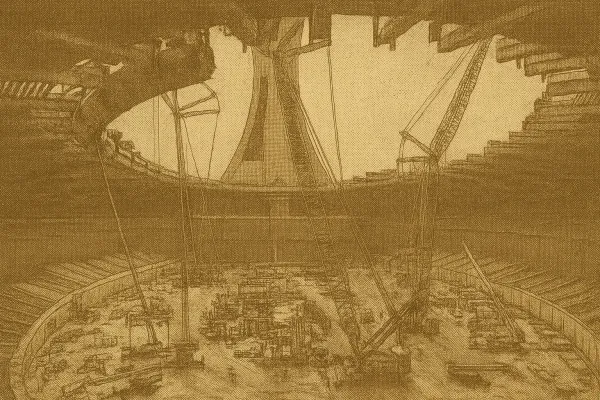
Montreal's Olympic Stadium is once again a construction site, echoing its beginnings during the 1976 Games. The Quebec government has committed $870 million to replace the stadium's roof, which has been plagued by over 20,000 tears and threatened the venue's closure. This investment is part of a broader infrastructure initiative that includes an additional $48.6 million for sound and electrical upgrades.
The Big O's Costly Legacy
Often referred to as the "Big Owe," the stadium's construction costs have long been a point of contention. Designed by French architect Roger Taillibert, the stadium was more of a conceptual marvel than a practical venue. Daniele Malomo, a civil engineering professor at McGill University, describes it as defying the laws of gravity, leading to ongoing financial burdens for Quebecers. The original retractable roof, completed in 1987, and its 1998 replacement, both failed to withstand Montreal's climate, rendering the stadium unusable under certain conditions.
New Roof Promises Year-Round Use
The new roof, expected to be completed by 2028, aims to keep the stadium open throughout the year and nearly triple its gross revenue. Nadir Guenfoud, vice-president for the stadium's roof modernization, assures that the project is on schedule and budget. The new design includes a translucent perimeter for natural light and a technical ring for ventilation and lighting, addressing previous shortcomings.
Economic Viability in Question
Despite the optimistic projections, JC Bradbury, an economics professor, remains skeptical about the economic benefits. He argues that sports stadiums rarely deliver the promised economic development, a sentiment echoed by the stadium's history. Guenfoud admits that further modernization will be necessary to attract major international events, which often demand more luxury amenities.
Preservation vs. Demolition Debate
The debate over the stadium's future continues. With a demolition cost estimated at $2 billion, many, including Dinu Bumbaru of Heritage Montreal, advocate for preserving the iconic structure. He emphasizes the cultural and historical significance of the stadium, suggesting that investing in its upkeep is preferable to demolition. Malomo agrees, highlighting the environmental and financial costs of tearing it down.
As Montreal's Olympic Stadium undergoes yet another transformation, the balance between preserving a piece of history and ensuring its future utility remains a complex challenge. Whether this latest investment will finally pay off is a question that continues to loom over Quebecers.