
Based on coverage from CBC and MINING.com.
BMC Minerals says it wants to restart talks with the Kaska as it pushes ahead with plans for the Kudz Ze Kayah mine in southeastern Yukon, even as opposition from Kaska-linked First Nations sharpens after federal and territorial approvals.
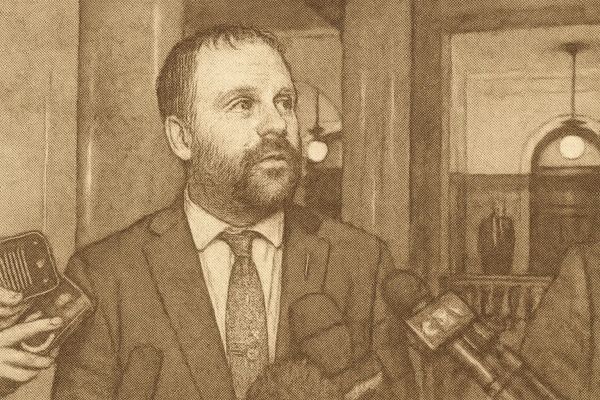
Allan Nixon, BMC’s vice president of external affairs, told CBC News it has been “years” since the company has sat down with First Nations because the project has been tied up in court. He says formal discussions could help “build a pathway forward,” and that BMC believes the mine can be “responsible, sustainable, environmentally sound,” with benefits for Kaska communities and Yukon.
Kudz Ze Kayah mine near Ross River
The proposed mine site is about 115 kilometres southeast of Ross River, Yukon, and BMC plans to mine mostly zinc, along with copper and silver. On a recent investor call, BMC CEO Michael McClelland said the company has already put more than $150 million into the project.
Another report, focused on the company’s technical update, places the broader project area about 260 kilometres southeast of Whitehorse and describes Kudz Ze Kayah as one of Yukon’s more advanced zinc projects.
Yukon and Ottawa approvals spark backlash
BMC’s momentum comes after the Yukon and federal governments issued positive decision documents to allow the project to move forward. Those documents followed earlier decisions in 2022 and 2024, and a recommendation from the Yukon Environmental and Socio-economic Assessment Board in 2020 to approve the project.
But Kaska-affiliated First Nations say the approvals ignore fundamental rights and unresolved concerns. The Ross River Dena Council said the decision “represents a severe and unjustified infringement” of Kaska Aboriginal Title and Rights, and a violation of Canada’s commitments under the United Nations Declaration on the Rights of Indigenous Peoples (UNDRIP). The Liard First Nation has also raised concerns about the project.
Previous legal challenges have argued governments did not address concerns about potential impacts on wildlife and the environment, including caribou migration.
Nixon told CBC BMC was not involved in conversations between the Yukon government and First Nations that led to the final decision document. Yukon Mines Minister Ted Laking was unavailable for an interview, according to CBC.
BMC tailings and water treatment promises
Nixon says First Nations input has already shaped the mine’s design. He described how an earlier version of the project included water storage for tailings, but that the Kaska opposed a tailings dam and pushed for dry stack tailings instead. Nixon said BMC changed the design accordingly.
He also said water protection was a major concern raised by the Kaska, and that BMC committed to building a water treatment plant before starting production.
On compliance, Nixon said BMC will have its own environmental staff monitoring performance and adherence to the project’s terms and conditions, and that the Yukon government will conduct inspections as well.
Enforcement concerns in Yukon budget
Yukon NDP MLA Carmen Gustafson questioned whether the territorial government has enough capacity to enforce what she described as “in-depth terms and conditions.”
Gustafson said the budget only added funding for one additional position for compliance, monitoring, and enforcement. A Yukon government spokesperson told CBC there is actually funding for two additional positions. (CBC also published a clarification that inspections will happen regardless, not only if the company fails to monitor itself.)
Drill results and 2027 investment timeline
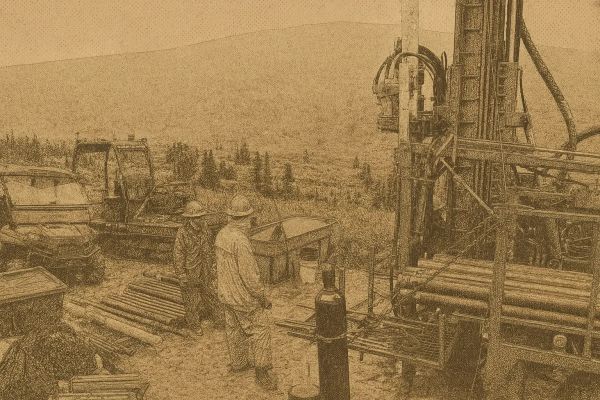
While political and legal tensions continue, BMC is drilling. The company says the first hole testing the Krakatoa zone (K26-560) cut 25.1 metres of high-grade mineralization, including reported grades of 180 grams of silver per tonne and 9.7% zinc, plus smaller amounts of gold, copper, and lead, at depth.
BMC says Krakatoa sits next to the main ABM deposit and could add tonnes to the mine plan, potentially extending mine life beyond what’s currently in the reserve.
Looking ahead, BMC says it plans to keep advancing permits, including acquiring a quartz mining licence and water licences, and is targeting a final investment decision in late 2027. For Yukoners and nearby Kaska communities, the next big question is whether BMC and First Nations can actually get back to the table, and whether governments can enforce the conditions they’ve now attached to the project.
Support Independent Canadian News Analysis
The Canada Report is supported by readers like you. If this article helped you understand what’s happening, you can support our work with a one-time tip.
Support The Canada Report