
Based on coverage from CBC and Toronto Star.
Ottawa is set to put new federal money behind two long-running Inuit priorities: Inuit-led education and basic health and family supports in the North. The package includes $50 million toward building Canada’s first Inuit-led university, plus more than $170 million for tuberculosis elimination, food security measures, and the Inuit Child First Initiative, according to CBC News and The Canadian Press.
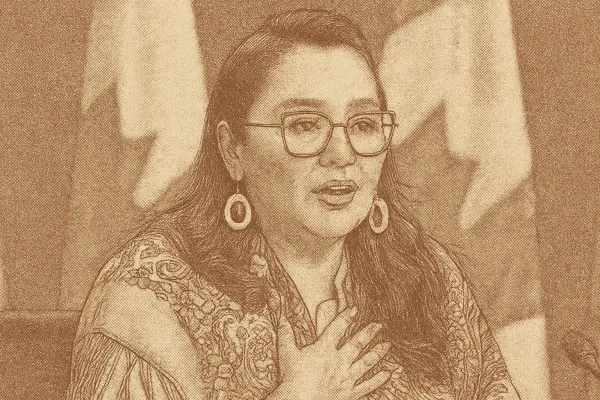
Indigenous Services Minister Mandy Gull-Masty is expected to announce the funding Thursday afternoon in Kuujjuaq, Que., during a meeting with Makivvik Corporation, which represents Inuit in Nunavik.
$50 million for Inuit-led university in Arviat
The federal government plans to provide $50 million to help build Inuit Nunangat University, described as the first Inuit-led university in Canada. The school is to be built in Arviat, Nunavut. The Canadian Press reports it is expected to open in 2030 and focus on promoting Inuit languages while supporting economic and cultural opportunities.
CBC reports the money will flow through Budget 2025’s Build Communities Strong Fund. The promise of support was in last fall’s federal budget, but without a specific dollar figure. That missing number raised concerns at the time; Inuit leaders are now welcoming the clarity, while signalling the needs are still larger than this announcement.
Housing Minister Gregor Robertson, in a statement reported by CBC, said learning and working at home should mean more Inuit can build their futures in the North rather than having to leave for postsecondary education.
Inuit Child First Initiative renewed with $115 million
The biggest single chunk of the new funding is slated for the Inuit Child First Initiative, with $115 million to renew the program. Both CBC and The Canadian Press say the program was set to expire at the end of March.
The initiative is meant to ensure Inuit children can access health, social, and educational supports without delays, including practical help like food vouchers.
But demand is high, and there are clear signs the program is straining. CBC reports there are up to 7,000 outstanding funding requests that have not been adjudicated by Indigenous Services Canada, based on figures shared with Inuit Tapiriit Kanatami (ITK). ITK president Natan Obed told CBC that backlog points to “huge administrative challenges,” and he wants Ottawa to start by dealing with the families already waiting.
Nutrition North funding targets food prices
Ottawa is also expected to announce $30 million for the Nutrition North Canada subsidy, which helps ship food and essential items to 124 isolated northern communities. The program is designed to reduce the cost of perishable food and other necessities in places where grocery bills can be punishing even by Canadian standards.
Another $6.7 million is earmarked for the Northern Isolated Community Initiatives Fund, which supports local efforts to grow and distribute food.
The need is stark. CBC cites Statistics Canada data showing more than three-quarters of Inuit children in Inuit Nunangat experienced food insecurity in 2022.
Tuberculosis elimination gets $27 million
On the health front, Ottawa is planning to spend $27 million over five years for Inuit-led, community-specific tuberculosis work, supporting prevention, screening, diagnosis, and treatment.
The funding sits alongside a bigger, unresolved question: whether Canada will meet the goal of eliminating tuberculosis in Inuit Nunangat by 2030, a target set in 2018 by ITK and the federal government. CBC says it’s unclear if the target will be met, and points to ongoing extremely high rates, including a record number of cases in Nunavik last year.
CBC also quotes Jessika Huard of the Nunavik Regional Board of Health and Social Services saying health care alone won’t solve TB, arguing housing, infrastructure, and social services have to move together.
Obed welcomed the pledge, but argued Ottawa needs to treat TB like the crisis it is, including stronger leadership and targeted investments in housing and health infrastructure, food security, and poverty reduction. Provinces and territories also have key roles, with CBC noting Newfoundland and Labrador, Quebec, Nunavut, and the Northwest Territories are essential to the work.
Support Independent Canadian News Analysis
The Canada Report is supported by readers like you. If this article helped you understand what’s happening, you can support our work with a one-time tip.
Support The Canada Report