
Based on coverage from The Star and National Observer.
British Columbia is nearing 10 years since it declared a public health emergency over drug overdoses, and the anniversary is landing with a mix of grief, anger, and hard questions about what worked, what didn’t, and what comes next.
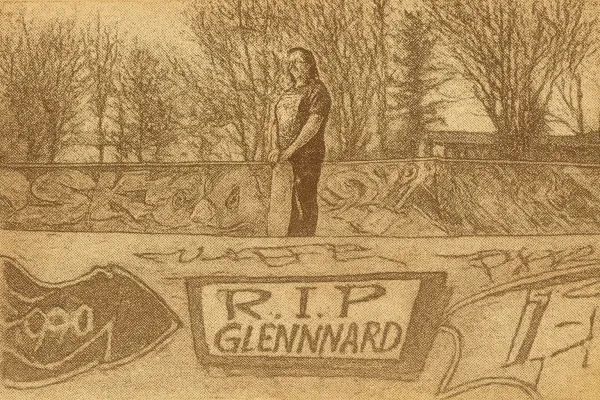
The human cost keeps showing up in stories like Brandon Jansen, who died of fentanyl poisoning at 20 in Powell River in March 2016 after cycling through 13 treatment facilities in two years; Glenn Rebic, 29, who died in Vancouver in 2019 after using cocaine he didn’t know contained fentanyl; Michael Rantanen, 25, who died in 2022 with carfentanil in his system; and Emmy Liu, a Surrey teen who died in January 2025 at 14 after a fentanyl overdose at home.
British Columbia toxic drug crisis toll
Since April 14, 2016, more than 18,000 people have died from toxic illicit drugs in B.C. Even with recent declines, the province is still losing almost five people a day on average to unregulated drugs. Illicit drug toxicity remains the leading cause of unnatural death in B.C., surpassing homicides, suicides, motor vehicle incidents, drownings and fires combined.
Families interviewed described a system that can be hard to navigate quickly when someone is in crisis. Michelle Jansen said she spent about $250,000 on private treatment for her son and felt there were few government resources to turn to at the time. She argues it’s unrealistic to expect someone in active addiction to track down openings, make calls, and wait weeks for a bed.
Fentanyl’s arrival reshaped B.C. overdoses
Fentanyl, a synthetic opioid 50 to 100 times more potent than morphine, is widely credited with turbocharging the crisis. The BC Coroners Service says fentanyl was involved in about 29 per cent of drug deaths in 2015, jumping to 66 per cent in 2016. As heroin and oxycodone faded from toxicology reports, fentanyl became the dominant drug in overdose deaths.
Paramedic Ian Tait, who worked early on in Surrey’s Whalley neighbourhood, said overdose calls became harder to reverse and exploded in volume. He described it as hitting “like an atomic bomb,” with crews burning through naloxone (Narcan). BC Emergency Health Services reported a record 256 overdoses responded to across the province on Jan. 21. B.C. now distributes about 400,000 take-home naloxone kits a year, and Tait argues deaths would be far higher without it.
Decriminalization in B.C. sparked backlash
B.C. became a global test case for drug policy, expanding supervised consumption and overdose prevention sites from one in 2016 to 38 by 2021 and 58 by mid-last year, plus nine in hospitals.
The most politically charged step was decriminalization, launched in 2023 as a three-year pilot allowing adults to possess up to 2.5 grams total of certain drugs. The province tightened public consumption rules, and in January it declared the decriminalization experiment over. By early 2026, Premier David Eby said it “didn’t work.”
Opinions remain sharply divided. Emmy Liu’s mother, Ellen Lin, called decriminalization “absurd” and blamed it for creating conditions that exposed youth to greater danger. Meanwhile, Nanaimo harm-reduction organizer Lenae Silva said decriminalization, while “not perfect,” helped people avoid using alone, which she believes prevented deaths.
Safer supply evidence points both ways
B.C.’s safer supply program, introduced in 2020 to provide pharmaceutical-grade opioids to people at high overdose risk, has also been scaled back. The Health Ministry said participation peaked at almost 5,200 patients in March 2023 and fell to fewer than 3,900 by December 2024.
In February 2025, Health Minister Josie Osborne announced a shift to “witnessed-only” consumption after a leaked report from a Ministry of Health investigative unit found a “significant portion” of prescribed hydromorphone was being diverted, with some trafficking beyond B.C.
Research findings are mixed. A British Medical Journal study found a 55 per cent reduced risk of overdose death in the week after receiving at least one safer supply dispensation, and a 91 per cent reduction in all-cause death risk in the following week after four or more dispensations. But a JAMA Internal Medicine study found an almost 63 per cent relative increase in opioid overdose hospitalization rates across B.C. after safer supply was introduced. A 2025 JAMA Health Forum study found safer supply and decriminalization were linked to increased opioid overdose hospitalizations, but not increased deaths.
Silva says the tighter safer supply model has left her sicker and more reliant on the street supply.
Drug death declines and new B.C. strategy
After peaking at 2,590 deaths in 2023, B.C.’s toll fell 10 per cent in 2024, then dropped about 21 per cent last year to 1,833. The Public Health Agency of Canada has described Canada’s 2024 to 2025 drop as the first sustained decline since the pandemic surge.
What’s driving the North American decline is debated. The agency lists changes in the drug supply, naloxone availability, and a “declining population at risk” as likely factors. A study in the April 2026 International Journal of Drug Policy found median fentanyl concentrations in tested B.C. samples peaked at 11 per cent in mid-2023, then fell to 5.1 per cent in early 2025. A Science article suggested the U.S. decline may relate to disruptions in illicit fentanyl trade, potentially tied to China’s enforcement against precursor suppliers.
Meanwhile, B.C. is shifting toward treatment and involuntary care for people with severe, overlapping mental-health and substance-use challenges. Legislative changes to the Mental Health Act passed in December, and the province says it’s working to boost the more than 2,000 mental-health beds used for involuntary care. For families like Meredith Dan’s, whose son Glenn died after fentanyl-tainted cocaine, the question is still blunt: why aren’t the people selling these drugs treated as causing deaths?
Support Independent Canadian News Analysis
The Canada Report is supported by readers like you. If this article helped you understand what’s happening, you can support our work with a one-time tip.
Support The Canada Report