
Based on coverage from Yahoo Canada, The Epoch Times, CBC, Biometric Update, Reclaim The Net, Edmonton Sun, and The Record.
Edmonton Police Test Facial Recognition Body Cameras
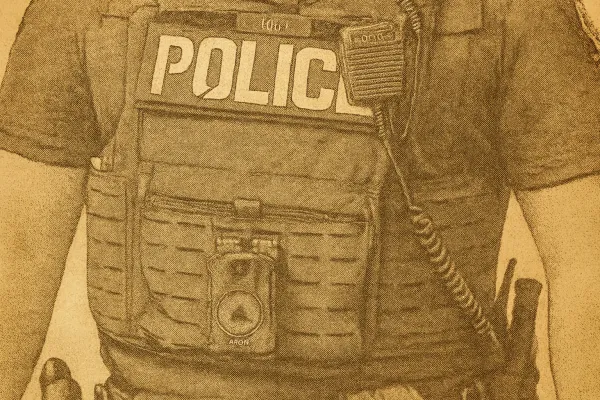
Edmonton Police Service (EPS) is making headlines as the first police force globally to test facial recognition-enabled body-worn video (BWV) cameras. This trial, in partnership with Axon Enterprise Inc., aims to enhance officer and public safety by identifying individuals with outstanding warrants or safety flags. The pilot program, which runs through December, involves up to 50 officers using these advanced cameras during their shifts.
How Facial Recognition Cameras Work
The technology behind these cameras is designed to work silently in the background. When officers are on duty, the cameras automatically record and run facial recognition in "Silent Mode." This means officers won't receive real-time alerts about potential matches. Instead, a team of trained officers will later review the footage to verify the software's accuracy. If a match is found, it will be double-checked by experts to ensure precision.
The system compares captured images to a database of nearly 7,000 mugshots from the EPS database. If a face within four metres of the camera matches a person of interest, the data is flagged for further review. If there's no match, the facial data is discarded immediately. This approach aims to balance the benefits of technology with privacy concerns.
Privacy and Ethical Concerns
The introduction of facial recognition technology in policing has sparked a debate over privacy and ethical implications. Diane McLeod, Alberta's Information and Privacy Commissioner, has expressed concerns about the accuracy and privacy issues associated with such technology. The EPS has submitted a Privacy Impact Assessment to ensure compliance with Alberta's privacy laws.
Critics, including experts like Ian Adams and Gideon Christian, caution against the rapid adoption of AI technologies without fully understanding their implications. They highlight potential inaccuracies, especially in identifying individuals with darker skin tones, and the risk of turning public spaces into areas of constant surveillance.
Future of Facial Recognition in Policing
The results of this trial will be reviewed by the Edmonton Police Commission and the chief's committee in 2026 to decide on further implementation. Acting Superintendent Kurt Martin emphasizes that this technology is intended to complement, not replace, human investigative work. The goal is to enhance officer safety and efficiency while respecting individual privacy rights.
As this pilot program unfolds, it serves as a significant test case for the integration of facial recognition technology in law enforcement, not just in Canada but worldwide. The outcome could influence how other police services approach the use of advanced surveillance technologies in the future.
Source 1 | Source 2 | Source 3 | Source 4 | Source 5 | Source 6 | Source 7
The coverage of Edmonton Police Service's trial of facial recognition body-worn cameras was largely consistent across sources, with most noting the pioneering nature of the initiative and its partnership with Axon Enterprise. However, The Epoch Times uniquely highlighted the use of machine learning to identify dangerous individuals and those with serious arrest warrants, while Reclaim The Net focused on the privacy concerns and surveillance implications of the technology. CBC and The Record emphasized the human verification component to ensure accuracy and respect privacy, which was not as prominently featured in other reports. Overall, while the core details were similar, different outlets chose to emphasize various aspects, such as technological capabilities, privacy considerations, and the broader implications of surveillance.