

Based on coverage from The Peterborough Examiner, Lethbridge Herald, and CHAT News Today.
Canadian universities are rolling out extra academic and financial flexibility for some international students as the war in the Middle East disrupts family contact, money transfers, and day-to-day stability for students studying here.
The measures vary by campus, but the theme is the same: more time, fewer penalties, and a clearer path to short-term relief while students deal with a crisis happening thousands of kilometres away.
Canadian universities extend support for Middle East war
The University of Victoria says it has contacted students with links to Iran and is offering support case by case. That includes special bursary funding and lifting registration holds tied to overdue tuition. UVic also says it is offering flexibility to applicants who are struggling to meet final admissions requirements because of the war.
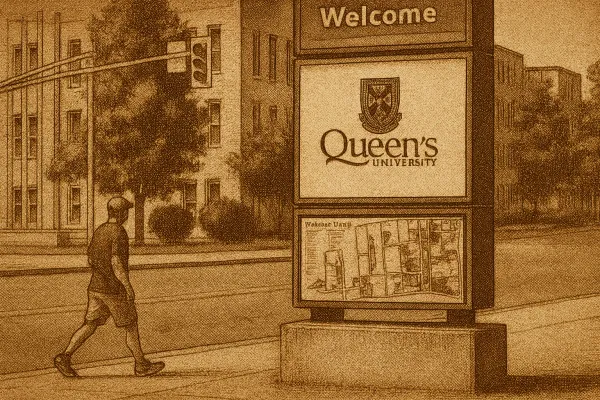
Queen’s University says it is giving some students extensions on winter tuition and fee payments without late penalties, plus access to emergency bursaries. Queen’s also says it has expanded access to counselling and mental health supports. A university spokesperson said affected students have been encouraged to reach out as they navigate the situation.
Carleton University says it is offering flexibility for filing admissions documents and exam deferrals, and it is reviewing some requests for tuition relief.
McGill University says it emailed students about access to academic accommodations and mental health resources. The message was sent to students from Iran, Bahrain, Israel, Iraq, Jordan, Kuwait, Lebanon, Oman, Palestine, Qatar, Saudi Arabia, Syria, and the UAE.
Tuition extensions and exam deferrals on offer
Across the schools named in the reports, the most common supports are practical ones students can use right away: exam deferrals, deadline flexibility, and delayed tuition payments without late penalties. Some universities are also pointing students toward emergency bursaries and counselling.
For students already facing high international tuition costs, even a short grace period can matter, especially if their finances depend on family support from abroad. The story also signals that universities are trying to reduce bureaucratic roadblocks, like holds on registration connected to overdue tuition.
War’s toll and Canadian student numbers
The conflict’s scale is part of why universities say they are responding. The U.S. and Israel attacked Iran on Feb. 28. The Associated Press reports that, as of Thursday, the death toll has risen to more than 1,900 in Iran and more than 1,300 in Lebanon.
Federal data suggests a sizable community in Canada could be affected. Immigration, Refugees and Citizenship Canada data shows more than 23,000 study permit holders from Iran and about 1,800 from Lebanon in Canada as of Dec. 31, 2024.
Iranian student leaders call for systemic campus policies
Amir Moghadam, an Iranian international student and president of the University of Toronto Graduate Students’ Union, says the extensions and tuition pauses are “positive steps.” He also argues they should be part of a broader framework that could be activated for any international student community facing a crisis.
Moghadam says universities need dedicated emergency funding, mental health services tailored for international students, and clear institutional policies. He describes the disruption facing Iranian students in Canada as extreme, saying many can’t contact their families, can’t transfer money, and can’t confirm whether loved ones are safe.
He says the University of Toronto Graduate Students’ Union is working with university administration to push for accommodations, including deadline extensions, leaves of absence, and adjusted research expectations. The union also has an emergency grant program that can provide up to $1,000 to students facing financial hardship due to crises.
Campus fundraisers and Nowruz gatherings across Canada
Beyond formal university supports, student organizations across Canada are responding with fundraisers, Nowruz gatherings, discussions, and demonstrations linked to the conflict.
For affected students, the immediate next step is reaching out to their university, since several of the supports described are offered through individual requests rather than automatic blanket measures.
Support Independent Canadian News Analysis
The Canada Report is supported by readers like you. If this article helped you understand what’s happening, you can support our work with a one-time tip.
Support The Canada Report