
Based on coverage from CBC, CP24, Castanet, The Peterborough Examiner, CKOM, CityNews Vancouver, and Lethbridge News Now.
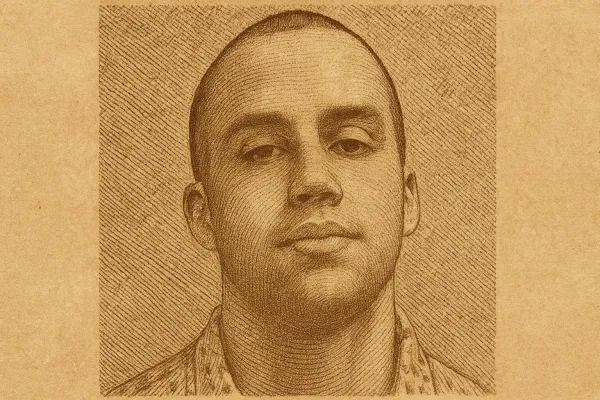
Conor D’Monte, a longtime figure tied to B.C.’s deadly Lower Mainland gang conflict, has been sentenced to 15 years in prison after pleading guilty to conspiracy to commit murder.
The sentencing of Conor D’Monte adds to the ongoing narrative of organized crime in British Columbia, which has seen a rise in violent incidents, including a recent case where a Kamloops lawyer was found guilty of first-degree murder in the death of his client, highlighting the pervasive issues within the legal and criminal landscape of the province. For more on this troubling trend, see our coverage of the lawyer's conviction here.
Police and prosecutors say the case reaches back to the 2008-2009 feud between the United Nations gang and the Red Scorpions, a stretch investigators have described as one of the most violent periods of organized crime conflict in British Columbia.
Conor D’Monte sentenced in B.C. Supreme Court
D’Monte was sentenced Wednesday in B.C. Supreme Court to 15 years for conspiracy to commit murder. He pleaded guilty to that single charge in October.
According to the Combined Forces Special Enforcement Unit of B.C. (CFSEU-BC), the conspiracy involved a plot to kill the Bacon brothers, Jonathan, James and Jarrod, who police say were leaders of the rival Red Scorpions gang. Another account of the case describes the plot as targeting the Bacons and their associates.
Sgt. Sarbjit K. Sangha, a CFSEU spokesperson, said the sentence reflects the “serious and calculated nature” of the violence from that era, and credited years of investigative work and coordination with other policing partners, including the Integrated Homicide Investigation Team (IHIT).
Lower Mainland gang war left public violence
Police say the conflict between the United Nations and Red Scorpions in 2008 and 2009 involved deadly shootings and public gun battles that put people at risk across the Lower Mainland.
D’Monte’s name has been linked by police to that period, including the high-profile killing of Kevin LeClair, a Red Scorpions member who was shot in broad daylight at a strip mall in Langley in February 2009. CFSEU has said D’Monte was one of the people accused in LeClair’s killing.
That context matters because it helps explain why this sentencing is being framed by police as part of a long-running effort to close files from that specific, chaotic chapter of gang violence in Metro Vancouver.
How D’Monte avoided capture for years
D’Monte was charged in January 2011 with first-degree murder and conspiracy to commit murder, but police say he fled Canada before he could be arrested and brought to trial.
Investigators pursued him for years. In February 2022, police announced he had been arrested in Puerto Rico after being named one of Canada’s most wanted fugitives. He was extradited back to Canada in March 2024 and has been in custody since then, CFSEU says.
Murder charge stayed after guilty plea
After D’Monte was sentenced on the conspiracy charge, a B.C. Prosecution Service spokesperson confirmed prosecutors asked for the first-degree murder charge to be stayed.
That means the court proceedings on the murder count will not go ahead at this time, even though it had been part of the original set of charges from 2011.
Other United Nations gang convictions in B.C.
CFSEU also pointed to other convictions connected to the same period of gang conflict. The agency listed several United Nations gang members who have been charged and convicted for their actions, including multiple conspiracy-to-commit-murder convictions.
Among those named by CFSEU: Barzan Tilli-Choli, Karwan Raquib (formerly known as Karwan Saed), Dilun Heng, Ion Kroitoru, and Amir Eghtesad (all convicted of conspiracy to commit murder). Aram Ali was convicted of aggravated assault and discharging a firearm with intent, and Cory Vallee was convicted of first-degree murder and conspiracy to commit murder.
For many Lower Mainland residents, the sentence lands as a late but direct outcome from a gang war that police say spilled into public spaces and endangered bystanders, even as the court file itself has taken years to reach this point.
Support Independent Canadian News Analysis
The Canada Report is supported by readers like you. If this article helped you understand what’s happening, you can support our work with a one-time tip.
Support The Canada ReportSource 1 | Source 2 | Source 3 | Source 4 | Source 5 | Source 6 | Source 7