
Heads up: some of the links in this post are affiliate links. That means if you click and purchase, we may get a commission. It's how we keep this site running without cluttering it with ads.
A Canadian winter jacket has to match more than a temperature forecast. Wind off the Prairies, wet coastal rain, slushy transit stops and dry cold in Ottawa place very different demands on outerwear. The best winter jacket for a Canadian winter isn't automatically the thickest one. A warm work jacket can be excessive for a mild, wet commute, while a lightweight insulated coat may be exactly right with a sweater in Vancouver and insufficient for a long January wait outdoors in Quebec City.
These recommendations are curated from published features, listed construction details, pricing, ratings and customer feedback, rather than firsthand product trials. The seven picks cover a long insulated parka, durable duck workwear, light puffers, synthetic insulation and fleece-lined shells. That range matters because “winter jacket” is a broad category.
Start by being frank about your coldest normal use. Consider how long you are outside, how much walking you do, whether you carry tools or commute by transit, and how readily you can add a mid-layer. A coat for walking from the car to an office can prioritize low bulk and appearance. One for dog walks, job sites or outdoor shifts needs more room, abrasion resistance and dependable protection around the hood, cuffs and hem. Fit also deserves real attention: a jacket that barely closes over a T-shirt leaves little room for the layers that make a major difference in Canadian cold.
Quick Overview: Our Top Picks
| Product | Best For | Why We Love It | Price |
|---|---|---|---|
| Heavy daily use | Sherpa lining, durable duck fabric, Cordura reinforcement, and an attached hood support demanding workdays. | $209.99 CAD | |
| Deep cold and long waits | A long, hooded parka from a Montreal-based brand, with synthetic vegan down fill, lined hand pockets and a two-way zipper. | $290.00 CAD | |
| Everyday winter wear | A mid-range puffer with down insulation and stretch construction for comfortable daily layering. | $101.68 CAD | |
| Active days and layering | Synthetic insulation, water-repellent fabric, and secure zip pockets offer practical winter coverage and storage. | $150.00 CAD | |
| Tight budgets | Budget-friendly softshell protection combines water resistance, lightweight insulation, wind blocking, and fleece-lined warmth. | $75.99 CAD | |
| Layering on a budget | Water-resistant outerwear with fleece lining provides affordable warmth for everyday cold-weather errands and activities. | $81.58 CAD | |
| Budget-friendly warmth | Hooded insulation, Sherpa lining, and a windproof, water-resistant shell at a budget price. | $76.49 CAD |
Carhartt Bartlett Jacket
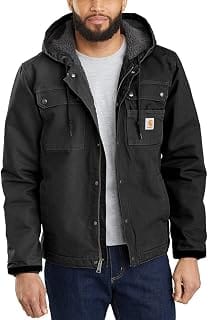
The Carhartt Bartlett Jacket is the clear workwear pick for someone who spends winter outdoors, handles rough materials or simply wants a substantial duck jacket rather than a sleek puffer. It pairs a sherpa lining with an attached hood, and its Cordura reinforcement is the meaningful distinction in this group. Buyers often describe it as warm, heavy and durable, with room to move; one Ottawa-based purchaser specifically valued the roomy fit. Regular and Big & Tall sizing broadens its appeal. The compromise is obvious: this is likely more jacket than a short walk from car to office requires. Its heavier, work-focused build is also less convenient for travel or mild days. Choose it for chores, job sites and frequent cold-weather wear where toughness matters as much as insulation.
Check Carhartt Bartlett Jacket on Amazon for current availability.
Pros
- Sherpa lining and attached hood add practical cold-weather coverage
- Cordura-reinforced duck construction suits demanding outdoor use
- Available in Regular and Big & Tall sizes
Cons
- Heavier workwear styling will not suit every city commute
- May be excessive for mild winter days or easy packing
Alpine North Jasper Parka
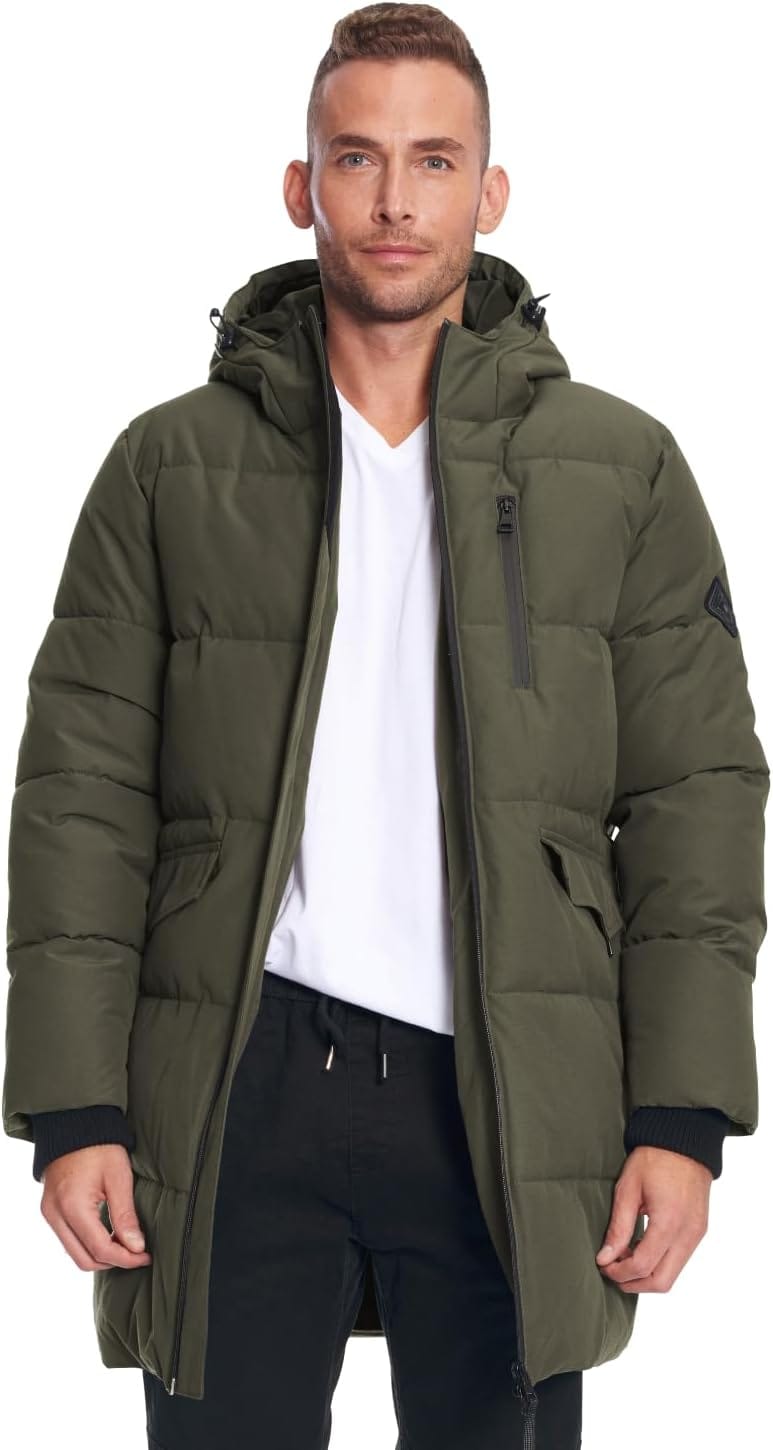
The Alpine North Jasper is the pick for the coldest, longest waits on this list, and it comes from a Montreal-based brand that knows exactly what a Quebec winter asks of a coat. It's a long, hooded parka filled with polyester vegan down, a synthetic fill the brand says clusters together and keeps insulating when damp. Buyers point to lined hand pockets, plenty of storage and a two-way zipper that opens from the bottom, which one reviewer used to free up their stride on a cold ski day. The outer is a poly/cotton blend made partly from recycled polyester, with no feathers or fur anywhere. The trade-offs are real: it's the most expensive jacket here, its 4.2-star average is the lowest of the group, and the length that keeps your thighs warm also makes it clumsier for driving or cycling. Alpine North calls the fit generous and suggests sizing down if you only wear light layers underneath. Choose it if you spend real time standing still outside in a Prairie or Quebec January.
Check Alpine North Jasper Parka on Amazon for current availability.
Pros
- Long cut and hood cover more of you in wind and deep cold
- Lined hand pockets and a two-way zipper for easier movement
- Canadian brand with an animal-free synthetic fill
Cons
- Priciest pick and lowest average rating in this guide
- No published temperature rating, and the length is awkward for driving
Calvin Klein Down Puffer
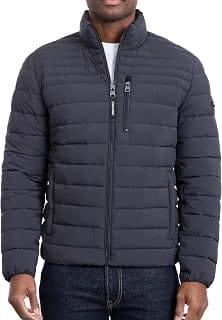
The Calvin Klein Full Zip Down Puffer Coat is for the commuter who wants a lighter, cleaner-looking winter layer without moving into a heavy-duty parka. Its Infinite Stretch puffer design aims at everyday mobility, and buyers frequently mention a true-to-size or roomy fit, low weight and better-than-expected warmth. Large pockets are another recurring positive. This is a sensible option for errands, commuting and routine winter outings, especially when a sweater can be added beneath it. The trade-off is limited technical detail: no fill specification or temperature rating is provided, and buyer feedback includes concern that it may not be warm enough for hiking or the harshest conditions. It's a city coat first: great for errands and the commute, less so for an hour at an outdoor rink.
Check Calvin Klein Down Puffer on Amazon for current availability.
Pros
- Lightweight puffer format suits daily commuting and errands
- Buyers often praise its warmth, roomy fit and pocket layout
- Full-zip design is easy to regulate when moving indoors
Cons
- No published fill details or standardized warmth rating
- Less convincing for severe cold or extended outdoor activity
The North Face Junction Jacket
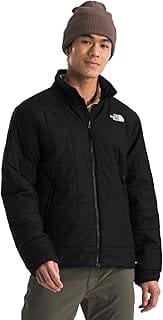
The North Face Junction Insulated Jacket fits the person who runs warm, stays active or needs a layer for cool days rather than a deep-freeze parka. It uses synthetic insulation, has a water-repellent finish and includes secure zip hand pockets. Those details make it practical for walking, driving, travel and layered use through much of the shoulder season. Buyers commonly describe it as lightweight, warm for its profile and true to size. The honest limitation comes directly from the feedback: reviewers do not position it as a jacket for very cold weather. Its shorter, lighter approach calls for a fleece or sweater once temperatures fall, and it isn't the jacket for a Prairie cold snap. Pick it for versatility, not maximum insulation.
Check The North Face Junction Jacket on Amazon for current availability.
Pros
- Synthetic insulation and water-repellent finish suit variable conditions
- Secure zip hand pockets protect small essentials
- Lightweight build is useful for active days and layering
Cons
- Buyer feedback suggests it is not intended for very cold weather
- Needs added layers for long periods outside in deep winter
33,000ft Hooded Softshell Jacket
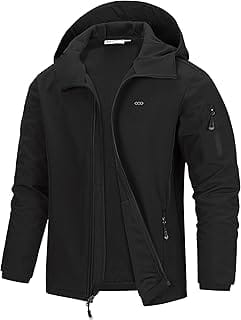
This hooded 33,000ft softshell is the practical wet-weather choice, particularly for coastal winter commuting and walks where rain and wind are bigger concerns than extreme dry cold. Listed features include waterproof, windproof and breathable performance, four-way stretch, five functional pockets, an adjustable hem, drawcord hood and ribbed elastic cuffs. That is a useful feature set for moving around outside without wearing a bulky puffer. A Vancouver Island buyer specifically praised it for a rainy winter climate, while other purchasers mention warmth, fit and versatility. The catch is that broad waterproof and breathable claims come without technical ratings in the supplied details. It is also lightweight by design, so it will need layers as temperatures sink. Choose it for rain-prone, moderate winter conditions and active daily use.
Check 33,000ft Hooded Softshell Jacket on Amazon for current availability.
Pros
- Listed waterproof, windproof and breathable softshell construction
- Four-way stretch supports walking and active commuting
- Adjustable hood and hem help manage wind and rain
Cons
- No technical waterproof or breathability ratings are provided
- Lightweight insulation may require layering in serious cold
MAGCOMSEN Winter Jacket
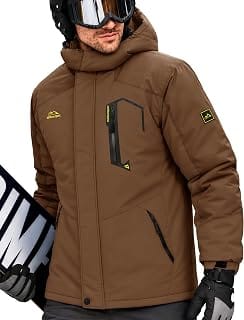
The MAGCOMSEN Men's Winter Jacket is a budget-minded choice for someone who wants water resistance and a fleece lining for commutes, casual wear and moderate winter days. It keeps the profile relatively light, and buyers often mention good value, decent materials and a comfortable fit. One reviewer reported sufficient warmth at -15°C, but another in Quebec considered it better around -5°C to -10°C with warmer layers needed below that. That disagreement is useful: individual tolerance and conditions matter, and this should not be bought as a guaranteed deep-winter coat. Sizing also deserves care, as feedback suggests it can fit large for people between sizes. Think of it as a strong November-and-March jacket that can handle January with a good sweater underneath.
Check MAGCOMSEN Winter Jacket on Amazon for current availability.
Pros
- Water-resistant outerwear with fleece lining at a budget-focused level
- Buyers often describe it as lightweight and good value
- Layer-friendly option for commutes and moderate temperatures
Cons
- Reviews disagree on performance in true Canadian deep cold
- Some buyers report a roomy fit and recommend sizing care
TACVASEN Sherpa Puffer
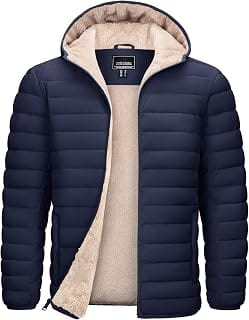
The TACVASEN hooded puffer is worth considering for the shopper who wants an insulated, windproof, water-resistant jacket with a sherpa-lined body, but does not want a bulky silhouette. Buyer feedback repeatedly calls it warm yet lightweight for fall and moderate winter days, with deep zippered side pockets and cuffs that accommodate a larger watch. One purchaser notes that the body is fleece lined while the arms are not, which helps explain its lighter feel and defines its limit. It can work well over a light shirt in moderate conditions, but heavy layering may require sizing up. At this price, it's an easy everyday puffer for errands and the commute.
Check TACVASEN Sherpa Puffer on Amazon for current availability.
Pros
- Sherpa-lined body adds warmth without a reported bulky fit
- Windproof shell is water resistant to light rain
- Deep zippered side pockets are useful for daily essentials
Cons
- Buyer feedback indicates the sleeves are not fleece lined
- Heavy layers may require a larger size
How to choose the best winter jacket in Canada
Choose for your typical winter day, not the coldest number you have ever seen on a weather app. Think in three parts: insulation, weather protection and fit. Insulation slows heat loss; an outer shell helps manage wind and precipitation; fit determines if a sweater or fleece can fit underneath without restricting your arms.
For a short urban commute in a city with variable temperatures, a lighter insulated puffer can make more sense than a heavyweight work jacket. It is easier to wear indoors and less likely to leave you overheated on a train or during a brisk walk. For outdoor labour, frequent dog walks and time around rough surfaces, a tougher outer fabric and a lined hood can be more useful than a sleek profile. Wet West Coast winters shift the priority toward waterproof or water-resistant outerwear, while dry inland cold often rewards more insulation and room for layers.
Do not infer a precise temperature limit from marketing terms such as “warm” or “winter.” The products here do not supply standardized warmth ratings, and personal comfort varies with wind, activity level, humidity and clothing underneath. Read customer feedback as a useful clue, especially comments from Canadians, but weigh it against the reviewer’s location and use. A coat praised for a mild winter day may not be intended for an exposed -25°C bus stop.
Finally, check the size chart and review patterns before ordering. Several picks have feedback on roomy or true-to-size fits. Room can be a benefit if you wear a fleece, wool sweater or light insulated layer underneath. It is a drawback if the coat is mainly for city errands over a shirt. Buy the fit that suits the clothing you will actually wear in January.
What to look for in Canadian winter jacket features
A hood is one of the most practical winter features. It protects the head and neck without requiring a separate hat for every short trip, and it helps reduce wind entering through the collar. An adjustable drawcord hood gives more control in gusty weather. The Carhartt adds an attached hood, while the 33,000ft softshell lists a drawcord hood; both are useful designs for people who spend time outdoors rather than moving only between heated buildings.
Look closely at the outer material claim. “Waterproof,” “water resistant” and “water repellent” do not mean the same thing, and none alone tells you how a jacket performs during hours of sustained rain. A waterproof softshell is a sensible starting point for rainy winter conditions. Water-resistant and water-repellent jackets are better treated as protection for light precipitation, snow and brief exposure unless the manufacturer provides more technical information. Secure zip hand pockets are a clear everyday benefit for keys, cards and gloves. Deep pockets can also matter on walks, although they are no substitute for insulated gloves. Your feet matter as much as your core at a bus stop, and our winter boots for wide feet guide covers that end.
Cuffs, hems and closure coverage are easy to overlook. Elastic cuffs can limit drafts at the wrists; an adjustable hem can reduce cold air moving upward. The 33,000ft lists ribbed elastic cuffs and an adjustable hem, while the TACVASEN description mentions wrist cuffs and deep zippered side pockets in buyer feedback. These are practical details for cycling, walking and standing outside.
Fabric durability matters most if the jacket sees tools, woodpiles, job sites or regular abrasion. Cordura reinforcement and duck fabric point toward the Carhartt’s workwear focus. For occasional city wear, paying for that kind of construction may be unnecessary weight and bulk. Pick features that solve your own winter problem.
Insulation types: down vs. synthetic vs. hybrid
Down insulation is valued for warmth with relatively low weight and bulk, but the exact fill quantity, fill power and moisture treatment determine far more than the word “down” on a product title. The Calvin Klein is listed as a down puffer, yet no fill specifications are provided here. It is best considered a lightweight everyday option supported by buyer reports of warmth, rather than a coat with a verified extreme-cold rating.
Synthetic insulation generally retains more usefulness when damp than untreated down and is common in practical commuting and activity-focused outerwear. The North Face Junction is identified as a synthetic insulated jacket with a water-repellent finish. That combination suits chilly days, active errands and layering, especially when snow or occasional moisture is part of the forecast. Reviews also consistently position it as a lighter jacket rather than one for severe cold. The Alpine North Jasper also uses synthetic fill, a polyester vegan down the brand says keeps insulating when damp, but puts far more of it into a long parka cut.
Fleece and sherpa linings are not the same as a high-loft insulated parka, but they add warmth and a familiar, soft interior feel. The Carhartt has a sherpa lining, and the MAGCOMSEN and TACVASEN are described as fleece or sherpa lined. These designs can be appealing when a wearer wants an outer layer with some built-in warmth and does not need a technical mountain shell.
A hybrid approach usually means combining a weather-blocking face fabric with insulation or lining, not a guarantee that a coat works in every condition. A fleece-lined softshell can be a strong coastal choice because wind and rain protection matter. In dry, prolonged cold, a warmer layer beneath may still be needed. Match insulation to moisture, movement and time outdoors.
Warmth ratings and layering: staying comfortable without overheating
Published warmth ratings are useful only when a manufacturer explains how they were determined. None of these seven jackets provides a standardized temperature rating in the supplied details, so avoid treating a review mentioning a particular temperature as a universal guarantee. Body size, wind, humidity, movement, food, fatigue and the layers beneath a jacket all change how warm it feels.
Layering is the practical answer to Canadian temperature swings. Begin with a moisture-managing base layer for walking, shovelling or commuting on foot. Add a fleece, wool sweater or insulated mid-layer as conditions require, then use the jacket as the weather-facing layer. This system lets a moderate puffer or lined shell cover more of the season. It also reduces the temptation to wear a huge coat into a crowded store or warm vehicle.
Leave enough ease through the shoulders, chest and arms to add that middle layer. A tight jacket can compress insulation and restrict movement. A very loose one can let cold air circulate, especially if the hem and cuffs do not seal well. The Carhartt receives feedback for a little extra movement room, while MAGCOMSEN feedback suggests sizing down if between sizes because it can fit large. Individual size charts remain the better first reference.
For stationary exposure, build in a margin. Someone waiting for transit, supervising a rink or working outside cools down faster than someone walking steadily. In serious cold, prioritize a hat, mittens, insulated footwear and layers as well as the jacket. No short jacket should carry the entire burden of a Canadian winter outfit.
Best winter jacket styles for different activities
For outdoor work, yard chores and people hard on clothing, a duck work jacket makes the clearest case. The Carhartt’s sherpa lining, attached hood and Cordura reinforcement target durability and warmth in a practical cut. Its trade-off is weight and a less streamlined look than a city puffer. It is not the first choice for packing into a bag or wearing through a warm office day.
For daily city use, a puffer offers a lighter silhouette and easier movement. The Calvin Klein suits a shopper who wants a full-zip down puffer for routine winter outings. Buyers frequently describe it as lightweight, warm and roomy, although one reviewer wished for an additional lining and another flagged it as potentially less suitable for hiking. The North Face Junction is the better fit for brisk, cool days and layering, with synthetic insulation, a water-repellent finish and secure zip hand pockets. Reviews caution against treating it as a very-cold-weather coat.
For wet commutes, the 33,000ft softshell is worth considering. Its listed waterproof, windproof, breathable and four-way-stretch claims, plus adjustable hood and hem, address rain and active movement. The MAGCOMSEN takes a similar practical route with a water-resistant, fleece-lined design, but buyer feedback is split on deep-winter warmth. It is more convincing for shoulder season, moderate cold and layered use than for Quebec cold snaps.
The TACVASEN is for someone who wants a hooded, insulated puffer with sherpa lining at a lower cost. Feedback points to warmth without much bulk for fall and moderate winter weather. Its fleece-lined body but unlined arms, as reported by a buyer, is the limitation to keep in mind when temperatures drop.
For long waits in real cold, like a Winnipeg bus stop, a Saskatoon outdoor rink or a February walk in Quebec City, the Alpine North Jasper is the one built for the job. Its length, hood and synthetic fill cover more of you than any other jacket here. You pay for that in price and in bulk behind the wheel.
Care and maintenance to extend jacket life
Start with the garment’s sewn-in care label. It takes priority over generic online advice because shell fabrics, insulation, linings, trims and water-repellent finishes vary. Wash a winter jacket only when it needs cleaning. Frequent washing can be hard on finishes and insulation, while dirt, body oils and road salt should not sit on fabric all season.
Close zippers and fasteners before washing, empty every pocket and remove loose debris first. Spot-cleaning cuffs, collars and visible salt marks can reduce the need for a full wash. Use the cleaning method and detergent type specified on the label. Avoid assuming that a treatment safe for a fleece-lined softshell is also suitable for a down puffer or a sherpa-lined duck jacket.
Dry a jacket completely before storage. Damp insulation and folded wet fabric invite odour and can compromise the garment over time. Store it clean and dry in a cool place, with enough space that insulation is not heavily compressed for months. Check the zipper, cuffs, hood adjusters and pocket seams before winter begins; small problems are much easier to address before a long stretch of freezing weather.
For waterproof, water-resistant or water-repellent outerwear, follow the manufacturer’s instructions if the finish needs renewing. Do not assume a water-repellent treatment creates full waterproof protection. Good maintenance preserves the jacket you own, but it cannot convert a light shell into an extreme-cold parka.
Frequently asked questions about winter jackets in Canada
What temperature should a winter jacket in Canada handle?
It depends on where you live and how long you're outside. A commuter in Vancouver or Victoria mostly deals with rain hovering around freezing, while someone waiting for a bus in Winnipeg or Edmonton can face -25°C or colder with wind on top. None of the seven jackets here publish a standardized temperature rating, so plan around your coldest normal day and use layers underneath to stretch a moderate jacket further. For long stationary stretches in deep cold, a full-length parka like the Alpine North Jasper is the safer bet.
Is down or synthetic insulation better for Canadian winters?
Down gives a lot of warmth for its weight and packs down small, which suits dry, cold inland winters. Synthetic insulation holds on to more of its warmth when damp, so it's often the more practical pick for wet coastal winters, slushy commutes and active days when you work up a sweat. In this guide, the Calvin Klein is a down puffer and The North Face Junction uses synthetic insulation.
How should a winter jacket fit over layers?
You should be able to wear a fleece or wool sweater underneath and still reach forward, raise your arms and zip it closed without the jacket pulling tight. Too snug compresses the insulation and cuts warmth; too loose lets cold air in at the hem and cuffs. Check the size chart against the layers you actually wear in January. Buyers report the MAGCOMSEN runs large and the TACVASEN may need sizing up for heavy layers, while Alpine North calls the Jasper a generous fit and suggests sizing down if you wear light layers.