
Heads up: some of the links in this post are affiliate links. That means if you click and purchase, we may get a commission. It’s how we keep this site running without cluttering it with ads.
Late April can feel like three seasons in one weekend. In Winnipeg, the last snowbanks are finally slumping into gritty piles, and the overnight forecast still flirts with -3°C. Out in Vancouver, neighbours are already tucking peas into damp soil like it’s nothing. Meanwhile in Halifax, you get that classic “false spring” tease—12°C sunshine at lunch, then a sharp frost warning by bedtime that wipes out tender starts.
If you’ve ever carried seed trays in and out like a daily workout, you already get the appeal of a simple backyard greenhouse. It’s not about growing mangoes in January. It’s about buying yourself time: starting tomatoes and peppers weeks earlier, keeping lettuce and herbs going well into October, and protecting seedlings from cold rain and surprise cold snaps.
A small setup can make a real difference. Even a basic 6' x 8' structure, placed well and tightened up for shoulder-season nights, can hold onto a few extra degrees of warmth—often enough to stay above that 0°C danger line. The trick is knowing what your region can realistically support, from the Lower Mainland’s mild, wet springs to the Prairies’ wind and temperature swings, and then matching your goals (and budget) to the right size, spot, and winter-proofing plan.
Know your growing zone and what season extension really means here
Before you buy anything, figure out what you’re actually up against. Canada’s plant hardiness zones (the ones used on seed packets and nursery tags) are a decent starting point, but your yard’s microclimate often matters more than the number on a map. A south-facing brick wall in downtown Toronto can behave like a different world than an exposed acreage outside Regina. Wind, shade, and how long snow lingers in spring all change what you can pull off.
If you're not sure which zone you're in, our Canadian gardening zones guide breaks down planting schedules and start dates by region.
A greenhouse helps most with the “shoulder seasons” — those messy weeks when days feel like spring but nights still bite. What it *can* do, depending on region:
- Lower Mainland and Vancouver Island: great for pushing earlier greens and protecting starts from cold rain; overheating on sunny days is the bigger issue.
- Southern Ontario and southern Québec: strong spring and fall gains, especially for seedlings and late greens; watch humidity and fungal disease.
- Prairies (Winnipeg, Saskatoon, Calgary area): huge benefit for wind and frost protection, but you’ll need better anchoring and insulation to handle temperature swings.
- Atlantic Canada (Halifax, St. John’s): ideal for beating “false spring” frosts and coastal damp; choose sturdy frames for gusts and wet snow.
- Northern communities: season extension is possible, but expectations have to be realistic without serious insulation and heat.
For beginners in spring, set goals you can hit this year:
- Start seedlings earlier (and harden them off safely)
- Protect from late frosts and cold rain
- Keep greens and herbs going longer into fall
- Treat “winter growing” as a bonus project unless you’re ready to invest
Temperature benchmarks to plan around:
- Many seeds germinate best around 18–24°C (tomatoes love 22–28°C).
- Frost damage starts around 0°C, but tender plants can stall or get stressed below 10°C at night.
- A sunny March day can push an enclosed space past 30°C even if it drops to -5°C overnight.
The budget-minded truth: the “extra weeks” you gain usually come more from smart placement + ventilation + basic insulation than from expensive heating. A modest structure in the right spot with a few low-cost upgrades can outperform a fancy kit parked in the shade.
Site selection that works from the Fraser Valley to the Maritimes
Pick the wrong spot and you’ll fight your greenhouse every day. Pick the right one and it feels like cheating — seedlings stay sturdy, soil warms earlier, and you’re not trudging through slush just to crack a vent.
Start with sunlight. In Canada, shoulder-season sun is everything because the sun sits lower in spring and fall.
- Aim for 6+ hours of direct light in April and September.
- Prioritise south or southeast exposure so you catch morning sun (it dries condensation and reduces mould).
- Watch out for long shadows from evergreens, fences, and two-storey homes. A quick test: on a sunny day, take photos of the area at 10 a.m., 1 p.m., and 4 p.m. to see where shade creeps.
Wind is the next deal-breaker, and it changes by region. On the Prairies, constant wind can loosen panels, suck heat out fast, and build snowdrifts right against the door. In coastal areas like parts of Nova Scotia or Newfoundland, gusts and salt air mean you’ll want corrosion-resistant hardware and a sheltered position. In wet-snow zones (think the BC coast or parts of the Atlantic), roof shape and strength matter because heavy, sticky snow can load up fast.
Drainage sounds boring until you’re standing in a spring mud bowl. Avoid low spots where snowmelt pools. If your yard stays soggy:
- Build up a base with 10–15 cm of compacted gravel
- Consider a simple perimeter with pressure-treated lumber to hold gravel and keep things square
Convenience is underrated. Put it close enough to the house that you’ll actually check it when it’s 2°C and raining sideways.
- Make sure your hose reaches (or plan for water jugs early spring)
- Leave room for a wheelbarrow and a clear path for snow shovelling
A budget-friendly site prep checklist:
- Stake and string the footprint, then measure corner-to-corner to square it
- Level with a long board and a basic level (small shims beat big digging)
- Weed barrier under gravel to reduce mess
- Choose a base: pavers, gravel pad, or a simple wood perimeter depending on your budget and how permanent you want it
Choosing a backyard greenhouse you can actually manage your first season
Your first season is about momentum, not perfection. The best greenhouse is the one you’ll vent, water, and use daily — not the one that becomes a half-built project behind the shed.
Common beginner-friendly options (and who they suit):
- Cold frames and mini pop-up styles: cheapest way to start hardening off greens and seedlings; limited headroom and fast temperature swings.
- Hoop house or tunnel kits: great bang for the buck for a small yard; easy to cover a bed and extend fall harvest. Look for thicker film and solid anchoring.
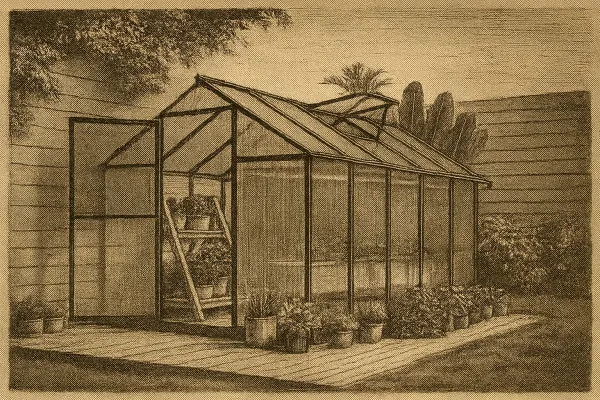
- Polycarbonate panel kits: a sweet spot for many homeowners — better insulation than single-layer plastic, good durability, and diffused light that’s kinder to seedlings. The Palram Canopia Hybrid 6×8 is one of the most popular options on Amazon.ca for Canadian backyards.
- Glass/aluminum structures: beautiful and long-lasting, but usually pricier and can be less forgiving in hail or heavy snow unless built strong.
Sizing tip: small-but-used beats big-and-overwhelming. A common starter footprint is around 2 m × 3 m. That’s enough for:
- A 60 cm deep seedling bench along one side
- A narrow centre path
- A couple of grow bags or a small bed for greens
Materials, simply:
- Polyethylene film: lowest cost, great light, but you’ll replace it (often every few years).
- Twin-wall polycarbonate (often 4–6 mm): better insulation, tougher, and less flappy in wind.
- Glass: excellent clarity, but higher cost and more break risk.
Ventilation is non-negotiable in Canadian spring. The sun can turn a closed greenhouse into an oven in minutes.
- Look for roof vents plus a door you can leave safely ajar
- Auto vent openers are a nice upgrade if you work away from home
- Budget hack: a simple prop stick and a cheap min/max thermometer so you can learn your temperature patterns
Foundation doesn’t need to be fancy, but it must be solid. Ground anchors, a base frame on compacted gravel, or skids can work — the key is stopping lift in wind and keeping doors aligned so they don’t jam.
Inside, keep it simple: one sturdy bench, a clear path, and a place to hang tools. Clutter is how pests and mildew move in.
Spring setup plan for immediate wins and a longer harvest this year
If you want results this spring, think in two tracks: get the structure up early, then manage temperature like it’s your part-time job for a few weeks. Canada’s spring weather loves drama — one day it’s 16°C and sunny, the next it’s sleet.
A practical timeline that fits most regions:
- Late winter to early spring: choose the site, order materials, and clear snow as it melts
- Early spring (as soon as the ground firms up): assemble the frame and base
- 4–6 weeks before last frost: start using it for hardening off and cold-tolerant crops
- Around last frost: transition tender plants in with protection at night
What to grow first for quick success:
- Direct sow spinach, lettuce, arugula, radishes, and cilantro once daytime temps inside are reliably above 10°C
- Start peas in trays and transplant, or sow along the edge where they can climb a string
- Start tomatoes and peppers indoors, then use the greenhouse as a hardening-off zone before they go outside
Temperature management basics that actually work:
- Add a second layer inside: row cover or frost cloth over seedlings at night buys you a few degrees of protection
- Use cheap thermal mass: line up dark 4–10 L water jugs or a couple of 60–120 L barrels if you have space (they soak up heat by day and release it at night)
- Track reality, not vibes: a min/max thermometer tells you if you dipped to -1°C overnight even if the day felt mild
Watering and humidity can make or break seedlings. Cold, wet air invites damping-off and fungus.
- Water in the morning, not evening
- Vent daily when it’s above freezing, even if only for 15–30 minutes
- Keep seedlings spaced so air can move between leaves
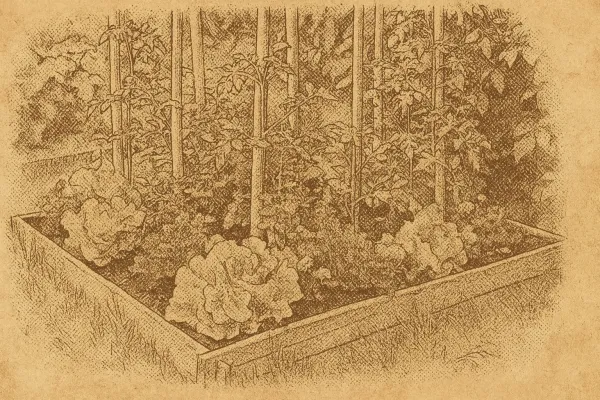
For soil, remember: greenhouse soil can still be icy. Raised beds warm faster, but even a simple trick helps — cover the bed with black plastic for a week to pre-warm it, then plant. Containers and grow bags are forgiving for beginners because you can shift them around as temperatures swing.
If you're setting up beds outside the greenhouse too, our guide to the best raised garden beds in Canada covers options built for short growing seasons.
Winter-proofing a greenhouse for cold snaps and heavy snow
“Winter greenhouse” means different things in Canada. For most beginners, the goal isn’t harvesting tomatoes in January — it’s keeping the structure safe, preventing damage, and maybe stretching hardy greens a little longer without a scary power bill.
Start by deciding what level you’re aiming for:
- Unheated: mainly for protecting the structure and overwintering some hardy plants; you’ll still get deep freezes.
- Minimally heated: a small heater to prevent extreme lows (for example, keeping it around 0–5°C during a cold snap).
- Heated: possible, but energy costs add up fast, especially in the Prairies and northern regions.
Budget-friendly insulation and draft control:
- Use horticultural bubble wrap on the inside of polycarbonate or glass to cut heat loss
- Seal gaps around doors and vents with weatherstripping
- For hoop/tunnel setups, consider double-layer poly film with an air gap (even a small blower system can help, but you can also do a simple inner layer)
Snow and wind readiness is where Canadian conditions get real.
- Tighten film and check fasteners in late fall
- Add bracing if your kit allows it, especially on the windward side
- After heavy snow, clear the roof safely with a soft snow rake or broom (avoid metal shovels that can puncture panels or film)
- Keep the door area shoveled so drifting snow doesn’t force its way inside and freeze the door shut
Heat management options:
- Passive: more thermal mass (water barrels), and even a compost pile nearby can take the edge off in shoulder season
- Electric: if you use a small heater, choose one with a thermostat and tip-over protection, and plug into a proper outdoor-rated circuit
- Emergency plan: keep frost cloth, old blankets (kept dry), and extra jugs ready for nights forecast below -5°C
Moisture is the sneaky winter problem. Condensation builds, then mould follows.
- Vent on sunny winter days when it’s above 0°C, even briefly
- Keep leaves and spilled soil cleaned up to reduce rot
End-of-season checklist: wash glazing, disinfect benches, inspect for cracks, replace worn clips, and store removable film out of UV. A calm October afternoon doing maintenance beats a January repair in gloves.
How to Choose the Best Beginner Greenhouse for Canadian Conditions
Start with what you’re trying to grow and how early you want to start this spring. In coastal B.C., you may be chasing extra warmth on cool, wet nights, while on the Prairies you’ll be planning for wind and big temperature swings. Think about your local hardiness zone, typical late frosts, and whether you want a simple “shoulder-season” setup or something that can hold above 0°C through cold snaps. Budget-wise, a smaller structure in a good spot often beats a larger one in a poor location. Prioritise sun, shelter, and a frame that won’t rack in storms.
Key Features to Look For
Glazing That Matches Your Goals (Film vs Polycarbonate)
Covering material affects heat retention, durability, and cost. Polyethylene film is the most budget-friendly and great for getting started now; it warms quickly on sunny spring days but usually needs replacement every few seasons. Twin-wall polycarbonate costs more upfront, yet it insulates better and handles hail and wind well—useful in Alberta’s Chinooks or hail-prone areas. Glass is bright and long-lasting but heavier and pricier. If you want to push into late fall or maintain above 5°C for seedlings, thicker polycarbonate generally pays off in steadier temperatures.
Frame Strength, Anchoring, and Wind Handling
A sturdy frame matters as much as the panels. Look for corrosion-resistant metal or well-built wood, plus cross-bracing to prevent twisting. Wind is a common failure point in open areas like Saskatchewan or along the St. Lawrence, so plan for solid anchoring: ground stakes for soft soil, or better, a simple pressure-treated base frame on patio stones. A low profile (or hoop style) sheds gusts, while tall walls catch them. If you’re near heavy snow regions, choose a roof shape that sheds snow rather than collecting it.
Sunlight and Placement on Your Property
Put it where it gets the most winter and spring sun: south or south-east exposure is usually ideal. Avoid shade from fences, evergreens, or the house—especially in March and April when the sun sits lower. In wetter regions like the Lower Mainland, pick a spot with good drainage to prevent puddling and cold, damp air settling inside. In colder inland areas, situate it where it’s sheltered from prevailing winds, but still has airflow around it to reduce mould and algae on panels.
Ventilation and Temperature Control
Even in early spring, a sunny day can spike interior temperatures above 30°C, stressing seedlings and causing rapid drying. Prioritise roof vents or roll-up sides, plus a door that can be latched open safely. An automatic vent opener is a low-cost upgrade that prevents overheating when you’re at work. For nights that dip below 0°C, use floating row cover inside, thermal mass (water jugs), and a small thermostatic heater only if needed—aiming to keep tender starts above about 5°C.
Winter-Readiness on a Budget
If you want to keep growing into winter, focus on reducing heat loss before buying bigger heaters. Seal gaps, add a second inner layer of film (an air gap helps), and use insulating curtains at night. In snowier areas like northern Ontario or parts of Quebec, plan for regular roof clearing and keep doors from freezing shut with a simple threshold sweep. For beginners, a realistic target is extending harvest into late fall and starting earlier in spring, rather than maintaining summer crops through -20°C spells.
Frequently Asked Questions
Q: I’m a total beginner—what’s the simplest greenhouse setup to start this spring?
Start with a small kit (6x8 or 8x10) or a heavy-duty hoop house so you can get planting fast as the snow melts. In much of Canada, you can use it right away for cold-tolerant crops like lettuce, spinach, radishes, and peas, plus seed-starting trays for tomatoes and peppers. Add a thermometer and a basic vent opener so you don’t cook seedlings on sunny March/April days. If nights are still below freezing, cover plants with floating row cover inside for an inexpensive extra layer.
Q: How do I choose the best spot in my yard for sun, wind, and drainage?
Aim for 6+ hours of direct sun, ideally with the long side facing south for better light in spring and fall. Avoid low spots where meltwater pools—set the base on compacted gravel or patio stones to keep the floor dry. In windy areas (common on the Prairies and coastal properties), tuck it behind a fence, hedge, or garage while still keeping good sun exposure. Leave room to walk around it for snow clearing and repairs, and keep it close enough to a hose or rain barrel to make watering easy.
Q: What works best in BC vs the Prairies vs Ontario vs Atlantic Canada?
Coastal BC often needs strong ventilation and mildew control—roof vents, a small fan, and spacing plants helps with damp air. The Prairies benefit from sturdier frames, tight sealing, and wind anchoring (earth anchors or screw piles) because chinooks and gusts can stress panels. Southern Ontario swings from warm days to cold nights in spring, so automatic vent openers and a simple thermal mass (dark water jugs) smooth temperature spikes. Atlantic Canada’s wet, windy winters call for corrosion-resistant hardware and extra bracing, plus frequent checks after storms.
Q: Polycarbonate panels vs polyethylene film—what’s better for Canadian backyards?
Twin-wall polycarbonate costs more upfront but insulates better and holds up well to hail and heavy snow, making it a solid choice for colder regions or anyone wanting longer shoulder-season growing. Polyethylene film (on a hoop frame) is the budget-friendly option and warms quickly in spring, but it usually needs replacement every few years and can flap in wind if not tensioned properly. If you’re testing the hobby, a film house is a low-risk entry. If you’re committed to season extension, polycarbonate often pays off in durability and comfort.
Q: How much does a greenhouse cost in Canada, and what gives the best value?
Budget hoop-style setups can run a few hundred dollars, while mid-sized polycarbonate kits often land in the low-to-mid thousands depending on size and frame quality. Best value usually comes from right-sizing: an 8x10 is big enough for seed starting plus a few summer crops without being expensive to heat or maintain. Spend a bit more on a sturdy frame, good door hardware, and roof vents—those parts affect daily usability. You can save by using recycled patio stones for the base, DIY benches from lumber offcuts, and water jugs for thermal mass.
Q: What specs should I look for to handle snow loads and cold snaps?
Look for a frame designed for Canadian winters: thicker aluminum or galvanized steel, cross-bracing, and a roof pitch that sheds snow. Twin-wall polycarbonate (often 6–10 mm) improves insulation compared with single-layer glazing. Prioritize adjustable roof vents plus a screened side vent or louver for summer heat. In colder areas, a simple interior “tent” (row cover over hoops) can protect seedlings during late frosts without heating the whole structure. If you do add heat, a small thermostatically controlled electric heater is safer and more predictable than open-flame options.
Q: How do I winter-proof it, and what maintenance keeps it lasting longer?
Before winter, tighten fasteners, replace worn weatherstripping, and seal gaps where drafts whistle through. Clear snow early and often—use a soft broom to avoid scratching panels, and don’t let drifts pile against the walls. In wet regions, keep vents cracked on milder days to reduce condensation and mould. Each spring, wash glazing with mild soap, check for UV-brittle film or cracked panels, and oil hinges and latches. Rotate crops and refresh soil or grow bags to reduce disease pressure, especially if you’re starting seedlings inside year after year.
Q: Do I need a permit for a backyard greenhouse in Canada?
It depends on your municipality and the size of the structure. In most Canadian cities and towns, small hobby greenhouses under a certain footprint (often around 10–15 square metres) are treated like garden sheds and don't require a building permit, but rules vary widely. Some municipalities have setback requirements — how far the structure must sit from property lines and fences — and height limits. In rural areas and on acreages, rules tend to be more relaxed. Before you build, check your local municipal or township website for "accessory structure" or "garden shed" permit requirements, or call your local building department. Strata and HOA communities may have additional restrictions. It's a quick check that can save you a headache later.
Final Thoughts
Spring is the perfect moment to get a simple greenhouse plan moving, even on a tight budget. Start by choosing a spot that gets the most sun, stays sheltered from prevailing winds, and won’t turn into a puddle during thaw—those small placement choices matter as much as the structure itself. Match your build to your local conditions: what works on the mild South Coast of B.C. won’t handle a Prairie cold snap without extra insulation, tighter sealing, and a plan for snow load. Keep it practical: use sturdy framing, double-wall panels or an added inner layer, and focus on stopping drafts before you spend money on heat.
As you set up, think like a winter gardener—add thermal mass (water jugs work), lay down mulch, and keep a simple thermometer to learn how your space behaves overnight. Start with hardy greens and seedlings, then expand as you gain confidence. Build for today, tweak as you learn, and let each season make your setup smarter—your future harvest will thank you.