
Based on coverage from CBC, Winnipeg Free Press, Winnipeg Free Press, and The Peterborough Examiner.
Manitoba Hydro customers are locked in for more rate hikes after the province’s energy regulator signed off on a three-year path that adds up to roughly what the utility originally asked for.
The decision to increase Manitoba Hydro rates comes as the province grapples with multiple fiscal challenges, a topic recently addressed in the Manitoba Legislature, where discussions on health care and budget deficits are ongoing. For further context, see our coverage of the legislative session here.
The Public Utilities Board (PUB) finalized a 4 per cent general rate increase that took effect Jan. 1, 2026 under an interim order, and approved further increases of 3.5 per cent in 2027 and 3 per cent in 2028. The PUB says Manitoba Hydro needs the extra revenue quickly because drought has squeezed hydroelectric generation and hit the Crown corporation’s finances.
Manitoba Hydro electricity rates set for 2026 to 2028
The PUB’s final decision sets out three consecutive increases:
- 4 per cent for 2026 (already in effect as of Jan. 1, 2026, after being introduced as an interim hike) - 3.5 per cent in 2027 - 3 per cent in 2028
The board described the approach as “front-loading” some revenue to respond to drought impacts, while trying to keep rates more stable over time.
One wrinkle: some coverage distinguishes between a “general rate increase” and a “general revenue increase.” The 4 per cent hike is described as applying equally across customer classes, while the 2027 and 2028 changes are framed as revenue targets that could be spread unevenly depending on the customer class. In other words, some customers could see more than 3.5 per cent or 3 per cent, and others less, once Manitoba Hydro files the detailed rate design in a future compliance filing.
Another exception mentioned: the 2026 general rate increase applies to all customers except those in four northern communities served by diesel generators.
Drought in Manitoba driving Hydro’s financial pressure
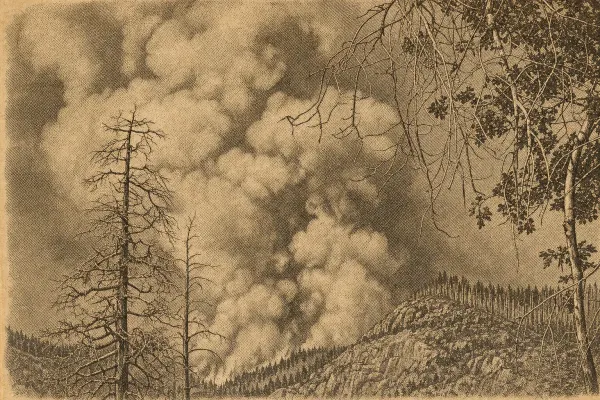
The PUB points straight to dry weather as the immediate problem. In its decision, the board said 2025 water flows were approaching the second-lowest levels in 112 years, limiting the water available for power generation.
The regulator also laid out just how quickly Manitoba Hydro’s outlook changed during the rate case. Between the utility’s application filing in March 2025 and oral hearings in November, Hydro’s forecast worsened by more than $600 million, moving from a projected net income of $218 million to a projected loss of $409 million, according to the PUB’s release.
That drought pressure is the main reason the regulator agreed Hydro needed more money sooner rather than later.
$31 billion Manitoba Hydro infrastructure bill alarms regulator
Longer term, the PUB says Manitoba Hydro is staring at a much bigger repair and upgrade bill than previously expected.
The board pegged the utility’s capital needs at roughly $31 billion to deal with aging infrastructure, including major transmission lines. That’s up from an earlier estimate of $18 billion.
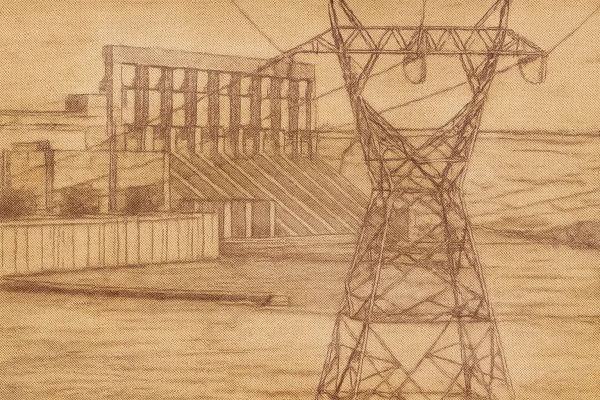
A major driver is a high voltage direct current reliability project meant to improve the transmission system that moves power from northern rivers to Manitoba’s population centres in the south. The PUB cited a placeholder estimate of $6.8 billion for that project, up from $1.8 billion previously, and flagged concern about cost escalation and shifting estimates.
PUB flags spending controls and software costs
The PUB didn’t just rubber-stamp Hydro’s plans. It raised concerns about rising operating and administrative costs, pointing to a projected increase of $528 million, or about 25 per cent.
The board disallowed some planned spending in the short term and took aim at software replacement costs, approving a capped deferral account of up to $167 million tied to that ongoing process.
The PUB also flagged a governance issue that can complicate long-term planning: it noted a “disconnect” between Hydro’s three-year rate-setting cycle and the provincial treasury board’s one-year-at-a-time approvals for capital projects, which can make multi-year rate decisions harder to lock down.
Low-income Manitobans warn of energy poverty impacts
The PUB explicitly warned about affordability, saying some Manitobans are already struggling to pay their power bills.
It recommended targeted help, including a refundable tax credit aimed at low-income ratepayers to reduce energy use and lower the overall burden. The board also recommended the province undertake an energy poverty reduction review and develop a broader strategy.
A coalition representing low-income Manitobans said the hikes are too steep for people with little room in their budgets. Katrine Dilay, a lawyer with the Public Interest Law Centre, said the increases will hit “captive Manitoba ratepayers, especially those who have limited or low income.” The centre represents groups including the Consumers Association of Canada’s Manitoba branch, Harvest Manitoba, the Aboriginal Council of Winnipeg, and the Manitoba Seniors Equity Action Coalition.
The next practical detail Manitobans will watch for is how Manitoba Hydro allocates the 2027 and 2028 increases across different customer classes when it returns with its compliance filing.
Support Independent Canadian News Analysis
The Canada Report is supported by readers like you. If this article helped you understand what’s happening, you can support our work with a one-time tip.
Support The Canada Report