
On a bright April Saturday in Winnipeg, the garden centre is stacked with tomato starts and hanging baskets like it’s already July—while the morning air is still hovering around -2°C and the wind off the Prairies has that sharp, metallic bite. It’s the most Canadian kind of mixed message: the shelves say “plant now,” but your backyard (and the forecast) says “not so fast.”
That’s the late-winter reality check most of us learn the hard way. Seed packets and big-box displays are written for a broad audience, and they don’t know if you’re gardening in Sudbury’s stubborn spring chill, Calgary’s surprise May cold snaps, or a sheltered Toronto side yard that warms up a full week earlier than the suburbs. In Canada, timing isn’t about optimism—it’s about frost dates, soil temperature, and how many truly frost-free days you can bank before autumn rolls back in.
That’s where canadian gardening zones come in. Your zone is a quick shorthand for what can survive your winter, but it’s also a starting point for building a planting plan that actually works here—where “spring” can mean +12°C sun one day and a skiff of snow the next. Coastal BC gardeners around Victoria might be fussing with slugs in February, while folks in Thunder Bay are still waiting for the ground to properly thaw. Same country, wildly different growing seasons.
In this guide, we’ll turn that confusion into a simple, confidence-boosting calendar: find your zone, match it to realistic frost windows, and then back up to seed-starting dates that make sense for your region. We’ll also break down practical timelines for everything from a zone 4a planting schedule canada to a zone 5b planting schedule canada—so you’re not gambling your tomatoes on vibes.
Find Your Canadian Gardening Zone in 60 Seconds and Understand What It Actually Tells You
If you’ve ever stood in a garden centre in April staring at lush tomato starts and thought, “Surely it’s time,” you’re not alone. But before you buy anything that can’t handle a cold night, you need two pieces of info: your zone (for winter survival) and your frost dates (for spring timing).
A quick, plain-language definition: Canadian gardening zones (Canada’s plant hardiness zones) describe how well perennial plants and shrubs are likely to survive your winter. They’re based on things like average minimum temperatures, snow cover, wind, and length of cold spells. Helpful? Absolutely. Perfect for planning your vegetable patch? Not always—because veggies live and die by *frost* and *heat*, not January lows.
Here’s a fast “close enough to start” city lookup. Neighbourhoods vary (lake effect, elevation, urban heat), so treat this as a starting point and confirm locally:
- Vancouver, BC: ~Zone 8
- Victoria, BC: ~Zone 8–9
- Kelowna, BC: ~Zone 6
- Calgary, AB: ~Zone 4
- Edmonton, AB: ~Zone 3–4
- Regina, SK: ~Zone 3
- Saskatoon, SK: ~Zone 3
- Winnipeg, MB: ~Zone 3
- Thunder Bay, ON: ~Zone 3–4
- Sudbury, ON: ~Zone 4
- Ottawa, ON: ~Zone 5a
- Toronto, ON: ~Zone 6
- Hamilton, ON: ~Zone 6
- London, ON: ~Zone 6
- Kingston, ON: ~Zone 5b
- Montréal, QC: ~Zone 5b
- Québec City, QC: ~Zone 4b–5a
- Fredericton, NB: ~Zone 5a
- Halifax, NS: ~Zone 6
- St. John’s, NL: ~Zone 5
To confirm your exact zone and your real-world planting dates, use two local checks:
1. Government/extension resources (search “Plant Hardiness Zones of Canada map” plus your community)
2. Your nearest weather station frost dates (search “average last frost date + [your city]” and “average first frost date + [your city]”)
Then use this simple planning framework (no spreadsheet required):
- Step 1: Write down your *average last spring frost* and *average first fall frost*
- Step 2: Count the frost-free window between them (your “growing season runway”)
- Step 3: For indoor sowing, count backwards from last frost using the seed packet’s “start indoors X weeks before last frost”
Most beginner gardeners across the Prairies, inland BC, northern Ontario, and big chunks of Quebec and the Maritimes fall into Zones 3–6—which is exactly where timing, variety choice, and a little protection make the biggest difference.
For those navigating the challenges of short growing seasons, exploring options for effective gardening solutions can be beneficial, such as the insights provided in our guide to the best raised garden beds in Canada. These resources can help maximize your planting efforts despite the unpredictable weather.
Frost Dates Are Your Real Planting Calendar and You Can Build One in an Afternoon
Zones tell you what survives winter. Frost dates tell you what survives *Tuesday night in May*. And in Canada, that’s the date that matters when you’re itching to plant.
Think of it this way: your garden has two bookends.
- Average last frost (spring): sets when tender plants can safely go outside
- Average first frost (fall): decides whether tomatoes ripen or stay stubbornly green
If you garden in places like Winnipeg, Saskatoon, Sudbury, or Québec City, you already know the vibe: a warm stretch, then a sharp dip. It can be 18°C one day and 0°C the next. On the Prairies, late cold snaps are practically a personality trait. Along the Great Lakes (Toronto, Hamilton, London), spring can be slow and soggy—soil stays cold even when the air feels mild.
Here’s the quickest way to build your personal planting calendar:
Step 1: Find your two dates
Search:
- “Average last frost date Ottawa” (or your city)
- “Average first frost date Ottawa”
Write them down on a sticky note. That’s your baseline.
Step 2: Sort plants into two buckets
When you’re standing in front of seed racks, this is the cheat sheet that saves you money:
Hardy / cool-season (handles light frost, prefers 5–15°C):
- peas, spinach, kale, lettuce, radish
- onion sets, many herbs like parsley
- lots of perennials (depending on hardiness)
Tender / warm-season (damaged by frost, wants consistent warmth):
- tomatoes, peppers, cucumbers, beans, basil
- zinnias, marigolds, most annual flowers
Step 3: Read seed packets the Canadian way
Seed packets often assume a gentler spring than we get. Translate them like this:
- “Start indoors 6–10 weeks before last frost” = count back from *your* date, not the packet’s optimism
- “Direct sow when soil is warm” = aim for soil around 10°C for peas/spinach and 15–18°C for beans and cucumbers
- “Days to maturity” = compare to your frost-free window and choose varieties that finish in time (a 55–75 day tomato can be the difference in shorter seasons)
What to buy now vs later
Late winter/early spring is for the boring stuff that makes everything easier:
- Buy now: seeds, seed-starting mix, cell trays, labels, a simple LED grow light (a basic shop light works), optional heat mat for peppers
- Wait on: most fertilizer, most seedlings (unless you have a bright window and a plan)
If you like a simple countdown, use a “12–10–8–6–4–2 weeks before last frost” checklist on your fridge. It turns spring from a guessing game into a routine.
Zone by Zone Planting Schedules for Zones 3 to 6
This is the part everyone wants: when to start seeds indoors, when to transplant, and when it’s safe to direct sow. Use the timing below as a framework, then adjust to your local last frost date and what your yard actually does (windy corner? south-facing wall? heavy clay that stays cold?).
A simple safety rule for tender crops across Canada: if you’re unsure, wait a week. A tomato can catch up. A frost-kissed tomato doesn’t.
Zone 3 short season pros
Think Winnipeg, Regina, Saskatoon, and plenty of northern communities. Fast crops win, and season extenders aren’t fancy—they’re survival gear.
- Start indoors
- Tomatoes/peppers: 8–10 weeks before last frost
- Broccoli/cabbage: 6–8 weeks before last frost
- Many flowers/herbs: 6–10 weeks depending on type
- Transplant outside
- Hardy transplants: 2–4 weeks before last frost *with protection* (row cover or low tunnel)
- Tender transplants: 1–2 weeks after last frost, once nights stay above 10°C
- Direct sow
- Peas/spinach as soon as soil is workable and around 5–8°C
- Beans only when soil is 15°C+
Zone 4a schedule for gardeners who plan for surprises
If you’re looking for a zone 4a planting schedule Canada gardeners can actually use, think Calgary and similar “warm day, cold night” places.
- Start indoors
- Tomatoes: 8 weeks before last frost
- Peppers: 10 weeks before last frost
- Brassicas: 6–8 weeks
- Marigolds/zinnias: 4–6 weeks
- Transplant outside
- Cool-season: about 2 weeks before last frost (harden off carefully)
- Warm-season: 1–2 weeks after last frost
- Direct sow
- Early: peas, spinach
- Later: beans after frost risk and soil warmth
Zone 4b a little more breathing room
A zone 4b planting schedule Canada approach fits places like parts of Québec City’s region and other mid-cold areas where spring is real… but still moody.
- Start indoors
- Tomatoes: 6–8 weeks
- Peppers: 8–10 weeks
- Cucumbers/squash: 3–4 weeks (don’t start too early—leggy plants sulk)
- Transplant outside
- Brassicas: around last frost (or slightly before with cover)
- Tomatoes: about 1 week after last frost, watching night temps
- Direct sow
- Succession sow radish/lettuce every 2–3 weeks
Zone 5a classic Canadian veggie timing
For a zone 5a planting schedule Canada baseline, think Ottawa, Fredericton, and many inland communities.
- Start indoors
- Tomatoes: 6–8 weeks
- Peppers: 8–10 weeks
- Basil: 4–6 weeks
- Flowers: 4–8 weeks
- Transplant outside
- Cool-season: 1–2 weeks before last frost
- Warm-season: after last frost; tomatoes often do best 1–2 weeks after if nights are still chilly
- Direct sow
- Carrots/beets once soil is workable
- Beans after last frost
Zone 5b and Zone 6 more options but still watch May
Kingston, Montréal (often 5b) and Toronto/Hamilton/London/Halifax (often 6) can grow longer-season varieties, but cold wet springs can delay planting even when the calendar says “go.”
- Start tomatoes around 6 weeks before last frost in Zone 6 (closer to 6–8 in 5b)
- Transplant warm-season crops soon after last frost, but aim for soil 15°C+ for cucumbers and beans
- Keep frost cloth handy—May can still bite
Best Vegetables and Flowers for Zones 3 to 6 That Actually Finish Before Fall
Choosing what to grow is half the battle in Canada. The other half is choosing varieties that mature before your first cold night turns the garden into a science experiment.
A good rule for shorter seasons (Zones 3–4): lean on crops that mature in 30–75 days, and pick tomato varieties that say 55–75 days if you want reliable ripening. In Zones 5–6, you can stretch into longer-maturity options, but you’ll still do better if you match the crop to your real frost-free window.
Zone 3 to 4 favourites for short seasons
These are the plants that don’t need a perfect summer to deliver.
Veg that earn their keep
- Peas (direct sow early; they like cool air)
- Spinach and lettuce (great for spring and again in late summer)
- Kale (gets sweeter after a light frost)
- Radish (often ready in 25–35 days)
- Beets and carrots (thin properly; crowded roots stay small)
- Potatoes (plant seed potatoes once soil is workable; hill as they grow)
- Bush beans (wait for 15°C soil—cold ground stalls them)
- Zucchini (surprisingly productive with a bit of cover early on)
Flowers that won’t break your heart
- Marigolds and calendula (tough, cheerful, useful)
- Nasturtiums (edible leaves and flowers; happy in poorer soil)
- Alyssum (low, honey-scented, pollinator-friendly)
- Sunflowers (choose shorter varieties around 90–150 cm for windy yards)
If you only grow five things in Zones 3–4: peas, lettuce, kale, potatoes, and zucchini. You’ll eat something even if summer is stingy.
Zone 5 to 6 favourites for bigger harvests
You’ve got more flexibility here—more heat, more time, and usually a better shot at full-season crops.
Veg with lots of payoff
- Tomatoes (more variety options; still protect from cold nights)
- Cucumbers (best once nights stay above 12°C)
- Pole beans (big yields in small spaces)
- Winter squash (choose days-to-maturity carefully; give them room)
- Sweet corn (most reliable in 5b–6 with enough heat and moisture)
- Basil (hates cold; treat it like a warm-season crop)
Flowers that love a longer summer
- Zinnias and cosmos (fast, colourful, great for cutting)
- Petunias (steady performers in beds and containers)
- Dahlias (grow from tubers; in colder areas you’ll lift and store them)
If you’re following a zone 5b planting schedule Canada gardeners use for succession planting, add a “second wave” in mid-summer: bush beans, dill, cilantro, and another round of lettuce for fall.
The big takeaway: in Canada, success isn’t just “can I grow this?” It’s “will it finish?” Pick crops that match your season, and you’ll spend more time harvesting and less time bargaining with the weather.
Short Seasons Made Easier with Raised Beds Containers and Microclimates
If you garden anywhere that spring drags its feet—hello Edmonton, Thunder Bay, Sudbury, and plenty of rural spots—your best trick isn’t a miracle fertilizer. It’s changing the conditions around the plant.
Raised beds buy you time
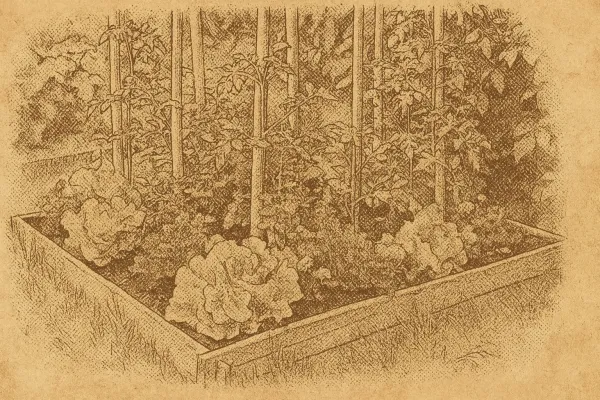
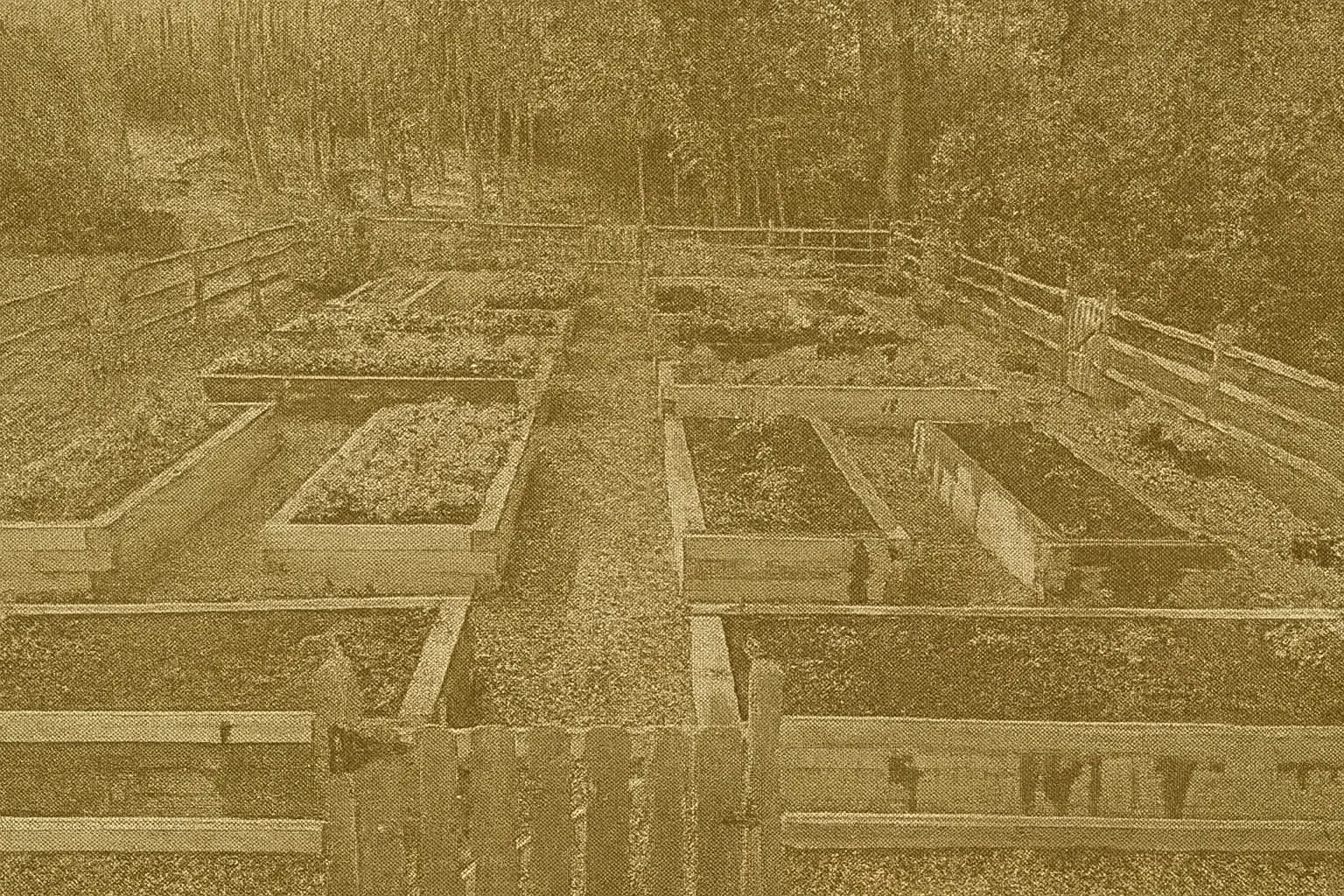
Raised beds warm up faster and drain better, which matters when the ground is still cold and wet. Even a modest frame—say 1.2 m x 2.4 m (4' x 8') and 20–30 cm high—can make spring planting feel less like a mud-wrestling match.
Why they help in Canadian conditions:
- Soil warms earlier, so you can sow cool-season crops sooner
- Better drainage after snowmelt and spring rains
- Easier to cover with hoops and frost cloth (instant mini-tunnel)
A practical move for Zones 3–4: set up low hoops and keep row cover handy. When the forecast threatens -1°C to -3°C, you’ll be ready in two minutes, not scrambling at dusk.
Containers are the secret weapon for tender plants
Containers heat up faster than in-ground beds, and you can move them. That’s huge for patio gardeners in Calgary or condo folks in Toronto with a windy balcony.
A few real-world tips:
- Use larger pots than you think (tomatoes want 20–30 L per plant)
- Dark containers warm quicker, but they dry faster in July
- On cold nights, slide pots against the house or into a garage overnight
For warm-season crops, aim for soil temperatures around 15–18°C before you expect real growth. Below that, peppers especially just sit there, unimpressed.
Simple season extenders you’ll actually use
You don’t need a greenhouse to stretch the season by a week or two (sometimes more).
- Frost cloth/row cover: breathable, easy, works for surprise cold snaps
- Cloches: great for single plants like peppers or early zucchini
- Low tunnels: plastic over hoops for early heat (vent on sunny days)
- Cold frames: brilliant for hardening off seedlings and growing greens
Microclimates explain why your neighbour “gets away with it”
Microclimates are the tiny weather pockets around your home. They’re why one yard in Montréal can feel like it’s in a different zone than the next street over.
Look for:
- South-facing walls that radiate warmth at night
- Urban heat islands (downtown cores stay warmer than outskirts)
- Proximity to water (Great Lakes moderation in southern Ontario; coastal influence in the Maritimes)
- Wind exposure (open prairie wind can drop effective temperatures fast)
Try this quick microclimate test: in early spring, notice where snow melts first, where puddles dry fastest, and where you get 6–8 hours of sun. That’s your earliest planting spot.
Microclimates can nudge timing, but a hard frost still wins. Keep a cover plan ready, and you’ll be the calm one when the forecast turns dramatic.
As gardeners navigate the unpredictable Canadian spring, it's also a good time to start thinking about winter preparations, such as ensuring your fireplace is ready for the colder months ahead. For tips on getting your home cozy for winter, refer to our guide on how to prepare a fireplace for winter in Canada.
Final Thoughts
Your gardening zone is a useful shortcut for narrowing down what will survive a Canadian winter—but your real planting calendar is written by frost. Once you know your average last spring frost and first fall frost, everything gets simpler: count your frost-free window, choose varieties that can actually finish in time, then work backward to set your indoor seed-starting dates. That’s how you avoid the classic trap of impulse-buying tender seedlings in April, only to watch them stall (or die) when the nights dip again.
For most gardeners in zones 3–6, the winning formula is consistent: start warm-season crops like tomatoes and peppers indoors early enough to get a head start, harden seedlings off properly, and wait until the risk of frost is truly fading before moving heat-lovers outside. Cool-season crops can handle earlier sowing, which means you can be harvesting greens while you’re still waiting for the soil to warm up for beans. If your season feels tight, small upgrades—raised beds that warm faster, containers you can move, and simple covers for cold nights—can buy you the week or two that makes the difference between “almost” and abundant.
Next step: look up your city’s average last frost date (yes, even if you’re gardening on the windy edge of the Prairies or in a lake-effect pocket in Ontario), then count back and mark your seed-starting weeks on a calendar. Plan by weather, plant by temperature, and let patience be your most productive tool.
Frequently Asked Questions
What are Canadian gardening zones, and why do they matter?
Canadian gardening zones are a way to estimate what plants can reliably survive winter where you live. In Canada, zones are based on more than just minimum temperatures—they also factor in things like frost-free days, snowfall, wind, and summer heat. That’s why a Zone 5 in southern Ontario can feel different from a Zone 5 in parts of B.C. Knowing your zone helps you choose perennials, shrubs, and trees with the right hardiness rating, and it also guides timing for seeds and transplants. As a rule of thumb, a 1-zone difference can mean roughly a 5–6°C swing in typical winter lows, which is huge for overwintering plants.
Where can I find a Canadian gardening zones map that’s accurate?
The most reliable Canadian gardening zones map comes from Natural Resources Canada (NRCan), which publishes a plant hardiness map built for Canadian conditions. Many seed companies and garden centres also provide maps, but it’s smart to cross-check with NRCan and your local microclimate. If you’re near big water (Lake Ontario, the Atlantic, the Strait of Georgia), in a valley, or at higher elevation, your yard may behave like a half-zone warmer or colder. For extra accuracy, compare your postal code’s average last frost date and first fall frost date with nearby towns, and watch how snow cover and wind exposure affect winter survival.
When should I start seeds indoors in Zone 5a in Canada?
A Zone 5a planting schedule in Canada usually assumes a last spring frost around mid-May, but it varies by region (Ottawa vs. interior B.C., for example). Start tomatoes and peppers indoors about 6–8 weeks before your expected last frost; that’s often late March to early April. Brassicas like broccoli and cabbage can be started 4–6 weeks ahead and transplanted out once daytime highs are consistently near 10–15°C and nights stay above about 2°C. For direct sowing, peas and spinach can often go in as soon as the soil is workable and above ~5°C. Use row cover if late cold snaps threaten young seedlings.
What’s a practical Zone 5b planting schedule in Canada for vegetables?
A Zone 5b planting schedule in Canada generally gives you a slightly longer growing season than 5a, but timing still depends on your local frost dates. Many Zone 5b gardeners can direct sow cool-season crops (peas, radishes, lettuce) in late April to early May when soil temperatures hit roughly 7–10°C. Warm-season plants like beans and cucumbers prefer soil closer to 15°C, so late May is often safer. For tomatoes and peppers, transplant after nights are reliably above 10°C—usually late May or early June. In southern Ontario and parts of the Okanagan, you can often squeeze in succession plantings (like a second round of beans) by early July.
How does a Zone 4a planting schedule differ from Zone 4b in Canada?
Zone 4a is typically colder and shorter-season than 4b, so the difference shows up in both winter survival and planting dates. With a Zone 4a planting schedule in Canada, you’ll often wait longer for soil to warm and plan for earlier fall frosts—common across parts of northern Ontario, the Prairies, and inland Atlantic regions. Zone 4b tends to have a bit more breathing room, which can mean earlier direct sowing of hardy greens and a better chance of ripening longer-season varieties. In both zones, choose short-season cultivars (like 55–75 day tomatoes), use season extenders (low tunnels, cloches), and harden off seedlings carefully when nights still dip near 0°C.
What should I plant in Zone 4b in Canada, and when do I start?
A Zone 4b planting schedule in Canada is all about picking cold-tolerant crops and timing around frost. Cool-season vegetables—peas, kale, spinach, carrots, beets—can be direct sown once the soil is workable and consistently above about 5–7°C, often in early to mid-May depending on your region. Start onions, leeks, and brassicas indoors 6–10 weeks before your last frost, then transplant when days are mild (around 10–15°C). For warm-season crops, focus on faster-maturing varieties and transplant later, once nights stay above 8–10°C. Perennials like haskap, rhubarb, and many hardy currants do well, and mulching helps protect roots through winter.
Why doesn’t my zone always match my actual frost dates?
Gardening zones predict plant survival over winter, not the exact timing of spring and fall frosts. Two places can share the same hardiness zone but have very different frost-free periods—especially in Canada, where elevation, wind, and proximity to water matter a lot. A coastal area in Nova Scotia may have milder winters (higher zone) but cool summers, while parts of southern Alberta can swing from warm chinooks to sudden cold snaps. Urban “heat islands” can also bump temperatures a couple degrees warmer than surrounding rural areas. For best results, use your zone for choosing perennials and trees, then use local frost dates and soil temperature (aim for ~10°C for many seeds, ~15°C for heat-lovers) to plan planting time.