
Based on coverage from CBC, The Epoch Times, Daily Hive, and Prince George Citizen.
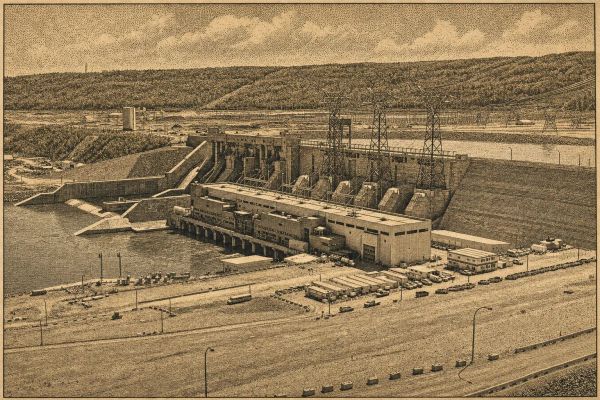
B.C. has officially retired the “Site C” name, at least on paper. The $16-billion hydroelectric project on the Peace River near Fort St. John is now the John Horgan Dam and Generating Station, a tribute to the late former premier who died in November 2024 at 65 after cancer.
The rename is landing with a mix of appreciation, frustration, and a fair bit of irony given Horgan once opposed the project before his government chose to finish it.
John Horgan Dam name sparks debate
Premier David Eby said Horgan’s decision to complete the project, despite “tough challenges,” helped secure B.C.’s clean-energy future. BC Hydro CEO Charlotte Mitha echoed that, saying Horgan played a key role in moving the project forward to provide clean, reliable power.
The twist is that Horgan was originally a critic. After the BC NDP formed government in 2017, his government ordered a review that flagged big cost pressures and geotechnical risks. Horgan’s government ultimately decided in December 2017 to keep building, arguing cancellation would leave the province carrying $3.9 billion in debt “with nothing to show for it,” including $2.1 billion already spent and another $1.8 billion for remediation.
At the time, the budget had already climbed from $8.8 billion to $10.7 billion. The final price tag is now $16 billion.
Site C Peace River reservoir renamed Nááchę mege
Alongside the dam’s new name, the 83-kilometre reservoir is now Nááchę mege, translated as “Dreamer Lake” in Dane-zaa (Beaver) language.
The province and BC Hydro say the name came through a process involving local First Nations, including Doig River First Nation and Blueberry River First Nations. Blueberry River Chief Sherry Dominic said the name reflects an enduring connection to the land and honours “Dreamers” as cultural leaders and knowledge holders.
BC Hydro also says 13 affected First Nations were invited to participate in naming discussions that began in 2023.
Treaty 8 First Nations raise burial concerns
For West Moberly First Nation, the reservoir name and the broader project remain painful. Chief Roland Willson said “dreamers” are highly respected in Dane-zaa culture, and that dreamers and elders were laid to rest in the Peace River Valley for generations. With gravesites now underwater, he called the situation disrespectful.
West Moberly did not participate in the naming discussions, according to BC Hydro. Willson said the reservoir is not something people should be proud of, framing it as part of a longer pattern of harms tied to governments’ treatment of First Nations.
Site C faced years of legal challenges and protests from Treaty 8 First Nations and local landowners over flooding impacts, including to farmland and burial sites. West Moberly argued in court that the project infringed treaty rights in a region already heavily affected by previous dams and industrial development.
Power generation timeline and BC Hydro demand
On operations, the project is now fully online. Major construction began in 2015. The reservoir filling process took 11 weeks and concluded in November 2024. The first generating unit went online in October 2024, and all six units were in service by August 2025.
BC Hydro says Site C will generate about 5,100 GWh annually, enough to power roughly 500,000 homes, and adds about eight per cent to its overall electricity supply, reducing reliance on imported power.
The rename also lands as BC Hydro talks more openly about rising electricity demand tied to electrification (including building heating and electric vehicles), population growth, and the need to expand and maintain infrastructure. Separate from Site C, BC Hydro has also described major spending and procurement plans aimed at meeting demand and managing peak use.
Protesters and former leaders react
Ken Boon, a longtime opponent who lost valley-bottom farmland to the reservoir, keeps decades of anti-dam memorabilia in a small log-cabin “Site C Sucks Museum.” For him, naming the dam after Horgan is hard not to laugh at, given the history. He also doubts people will stop calling it “Site C” in everyday conversation.
Former premier Christy Clark, whose government approved construction in 2014, said it’s appropriate to honour public service, but told CBC she was surprised the dam would carry Horgan’s name given his earlier opposition.
Former B.C. Green leader Andrew Weaver also questioned the choice, saying Horgan was humble and would likely have been uncomfortable having this particular project named after him, given the controversy.
Support Independent Canadian News Analysis
The Canada Report is supported by readers like you. If this article helped you understand what’s happening, you can support our work with a one-time tip.
Support The Canada Report